
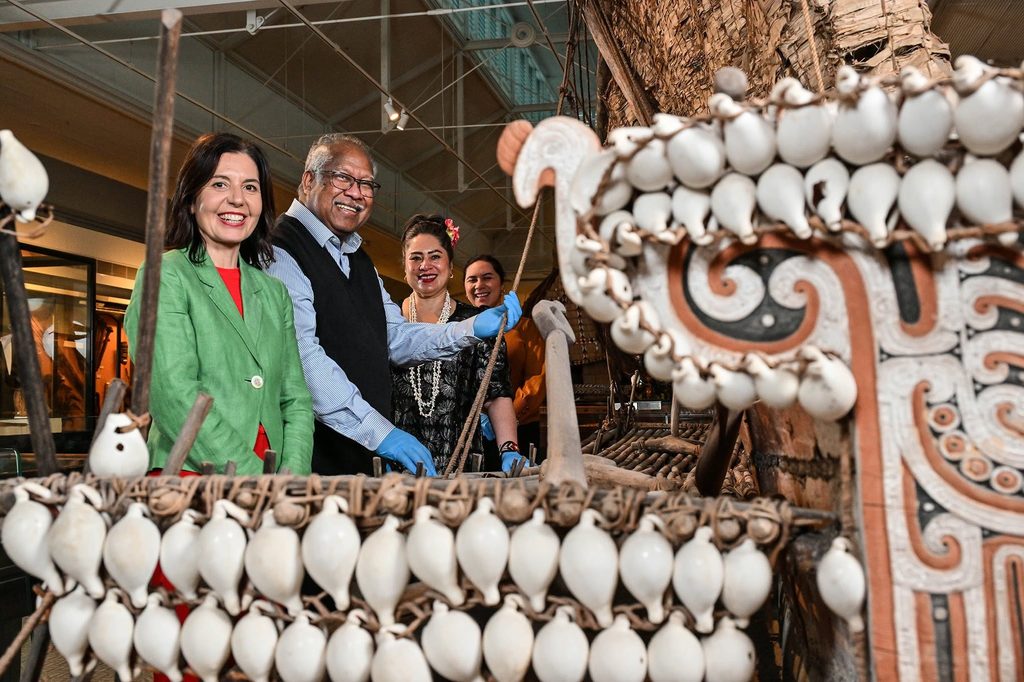
Prayer, song and dance echoed through the South Australian Museum’s Pacific Cultures Gallery as Pacific communities gathered not to say goodbye forever, but to honour the beginning of a new journey.
The occasion, known as the Melanesian Lullaby, marked an emotional milestone for one of Australia’s most significant collections of Pacific cultural heritage.
Hosted by the Papua New Guinea Association of South Australia in partnership with the South Australian Museum, the gathering symbolised a gentle farewell as thousands of treasured cultural objects entered a planned period of rest and conservation.
Like the lullaby that inspired the event, the ceremony represented comfort, protection and care, a promise that the stories carried by the objects would continue long after they leave public view.
From Monday, August 3, 2026, the Pacific Cultures Gallery temporarily closed after decades on display, beginning a major conservation and cultural care program that the Museum says will protect the collection for generations to come.
The gallery had remained open until Sunday, August 2, allowing visitors one final opportunity to experience the exhibition before work commenced.
The South Australian Museum houses Australia’s largest collection of Pacific material, with around 3,000 bows, arrows, spears, shields, utensils, ornaments, masks and ritual objects from Papua New Guinea, the Solomon and Santa Cruz Islands, Vanuatu, New Caledonia, Fiji and New Zealand.
Rather than marking an end, museum leaders say the closure signals the start of a new chapter.
A responsibility to care
South Australian Museum director Dr Samantha Hamilton said the decision reflected the Museum’s responsibility to care for objects that hold deep spiritual and cultural significance.
“I’ve had the privilege of being taught by elders and by youths on the importance of cultural materials,” she said.
“My role here at the museum is to bring all cultures together and to create a space where the South Australian community, but also the people of Australia, can share stories, knowledge and respect for each other’s culture.
For Dr Hamilton, the collection represents far more than museum pieces.
“These objects absolutely represent spiritual and cultural values, the power of the people who created them and so it’s our responsibility to now be able to put these objects to rest,” she said.
“They have been on display for decades. The wonderful Centennial Hut has been on display since 1936 and it’s time to be responsible and actually put it to rest so that future generations can also protect, preserve and learn from it.”
The conservation program will be undertaken in partnership with local Pacific communities, ensuring cultural authority, traditional knowledge and ceremonial protocols guide the care and stewardship of ancestral objects.
Communities helping shape the future
While the gallery doors have temporarily closed, Dr Hamilton stressed that public access to knowledge will continue through extensive documentation and digital technology.
“We are going to be creating digital records for people, for things that are in storage,” she said.
The Museum plans to create high-resolution 3D digitisations of objects, allowing people to continue engaging with the collection while conservation work progresses.
The reopening, planned for the coming years after the conservation program is completed will feature stronger community voices, broader representation of Pacific cultures and more contemporary storytelling.
More than museum pieces
For Adelaide resident and community leader of the Fijian Association of South Australia, Luke Qovu Junior, the Museum’s approach recognises what these objects truly represent.
“It is a great initiative by the South Australian Museum to preserve these cultural items for the future,” he said.
“Whilst embarking on this project they have collectively involved Pasifika communities that have strong connections and values to these artefacts, which hold profound cultural and ancestral significance to them, especially us Fijians.”
Mr Qovu said the collection carried meaning that extends far beyond history.
“For many Fijians, these artefacts represent more than history. They connect families to their provinces, villages, mataqali and yavusa. They remind us of the values passed down through generations, respect, service, courage, unity and faith.”
He said each object served as a tangible connection between past and present.
“They are physical reminders of who we are and where we come from. They are living connections to our ancestors.
“They tell the story of our people, our vanua, our customs and traditions, our way of life, our spirituality, our craftsmanship, our chiefs, our provinces, our kingdoms and the many generations that shaped the Fiji we know today.”
He said the Fijian community looked forward to working alongside the museum during the next stage of the project.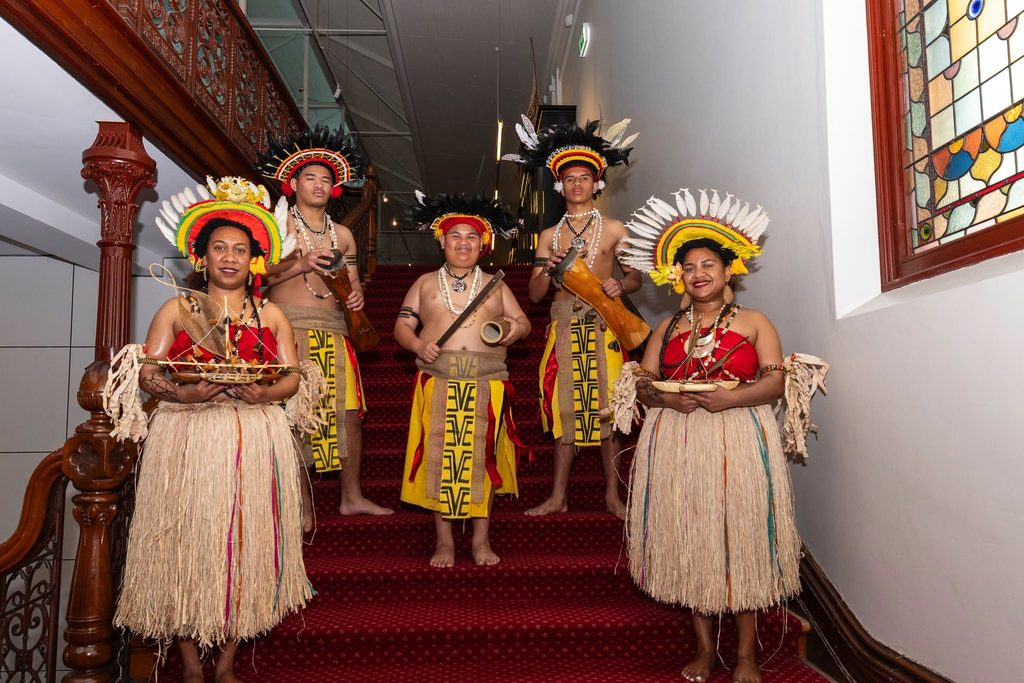
Hosted by the Papua New Guinea Association of South Australia in partnership with the South Australian Museum, the gathering symbolised a gentle farewell as thousands of treasured cultural objects entered a planned period of rest and conservation. Picture: SOUTH AUSTRALIAN MUSEUM / SIA DUFF
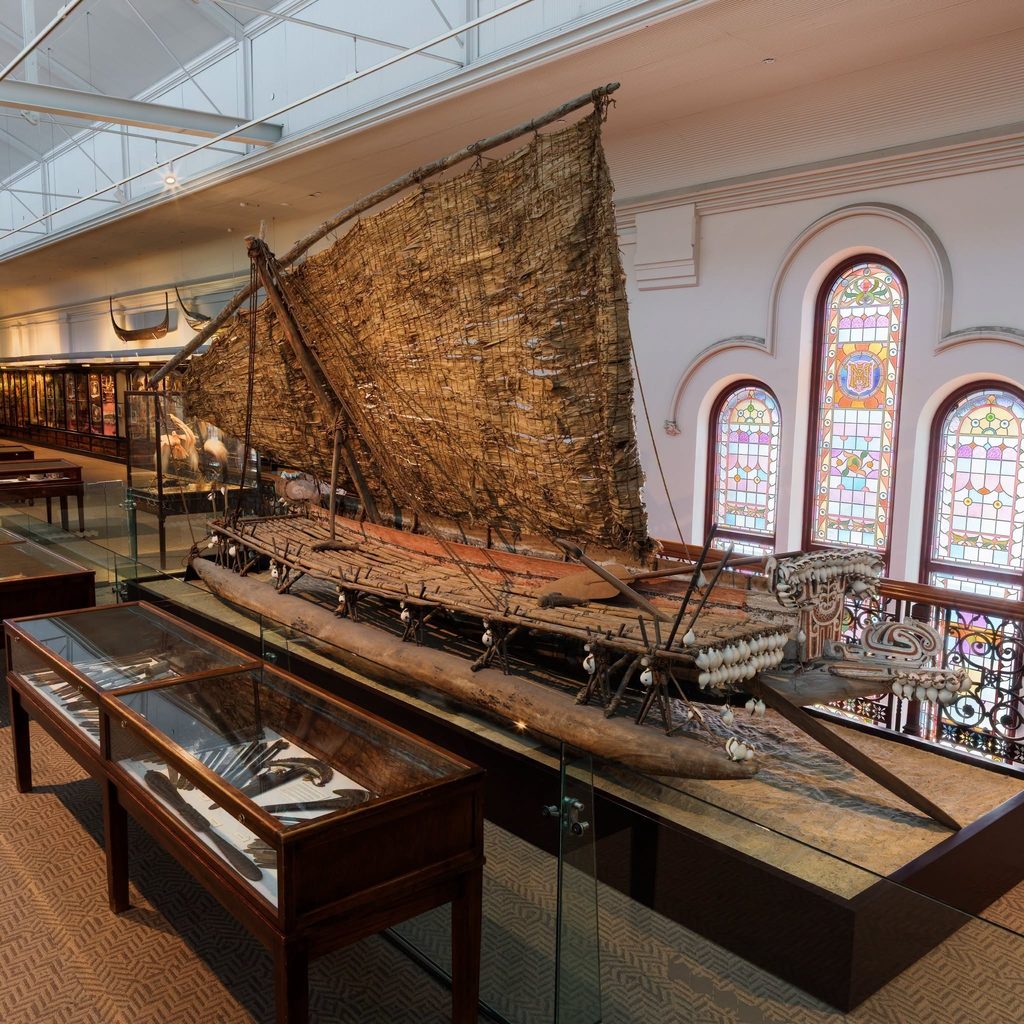
The conservation program will be undertaken in partnership with local Pacific communities, ensuring cultural authority, traditional knowledge and ceremonial protocols. Picture: SOUTH AUSTRALIAN MUSEUM
THE SUNDAY TIMES — SUNDAY, AUGUST 9, 2026 19
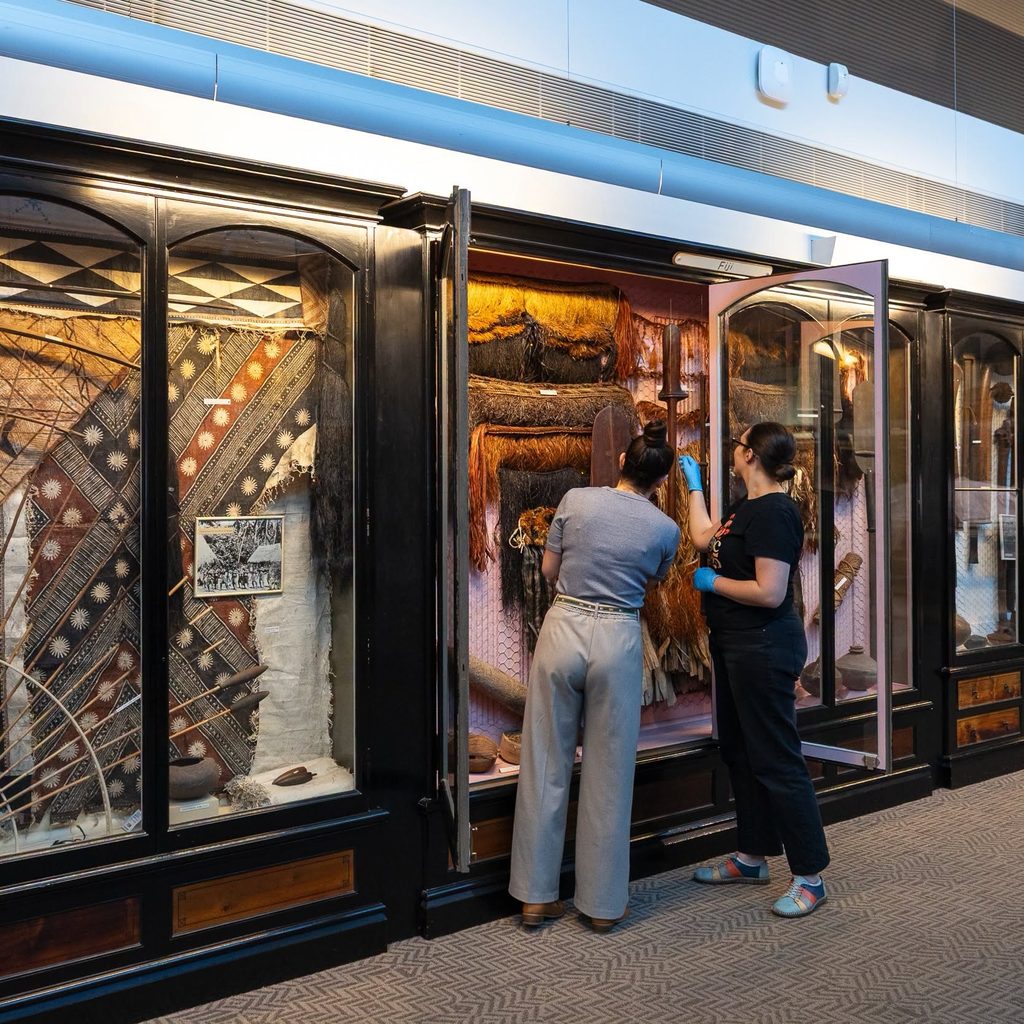
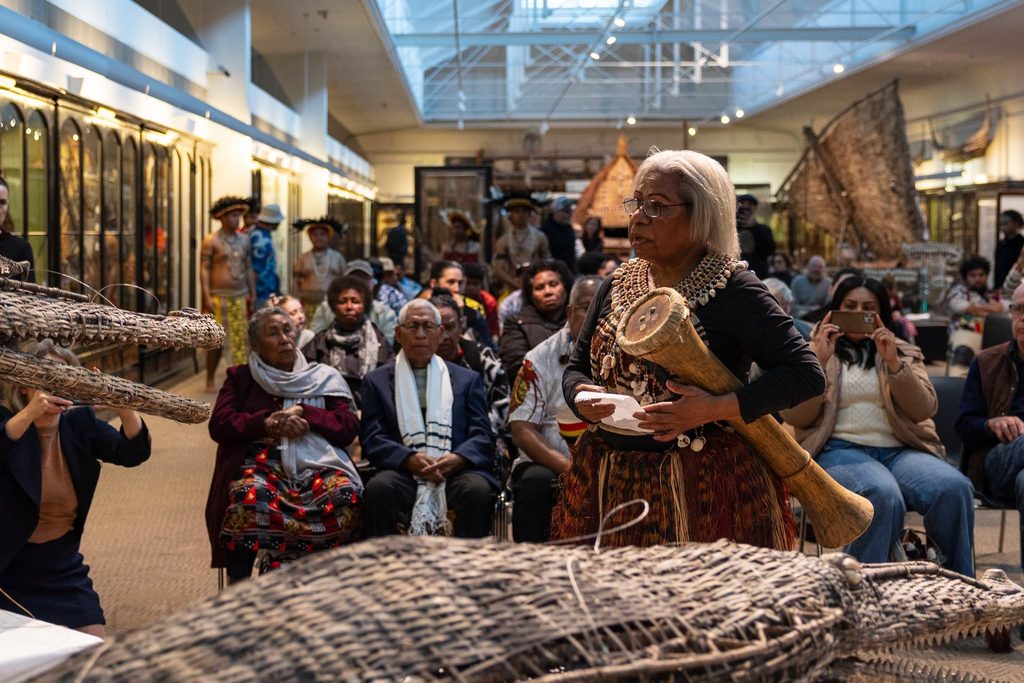
The collection carries meaning that extends far beyond history.
Picture: SOUTH AUSTRALIAN MUSEUM
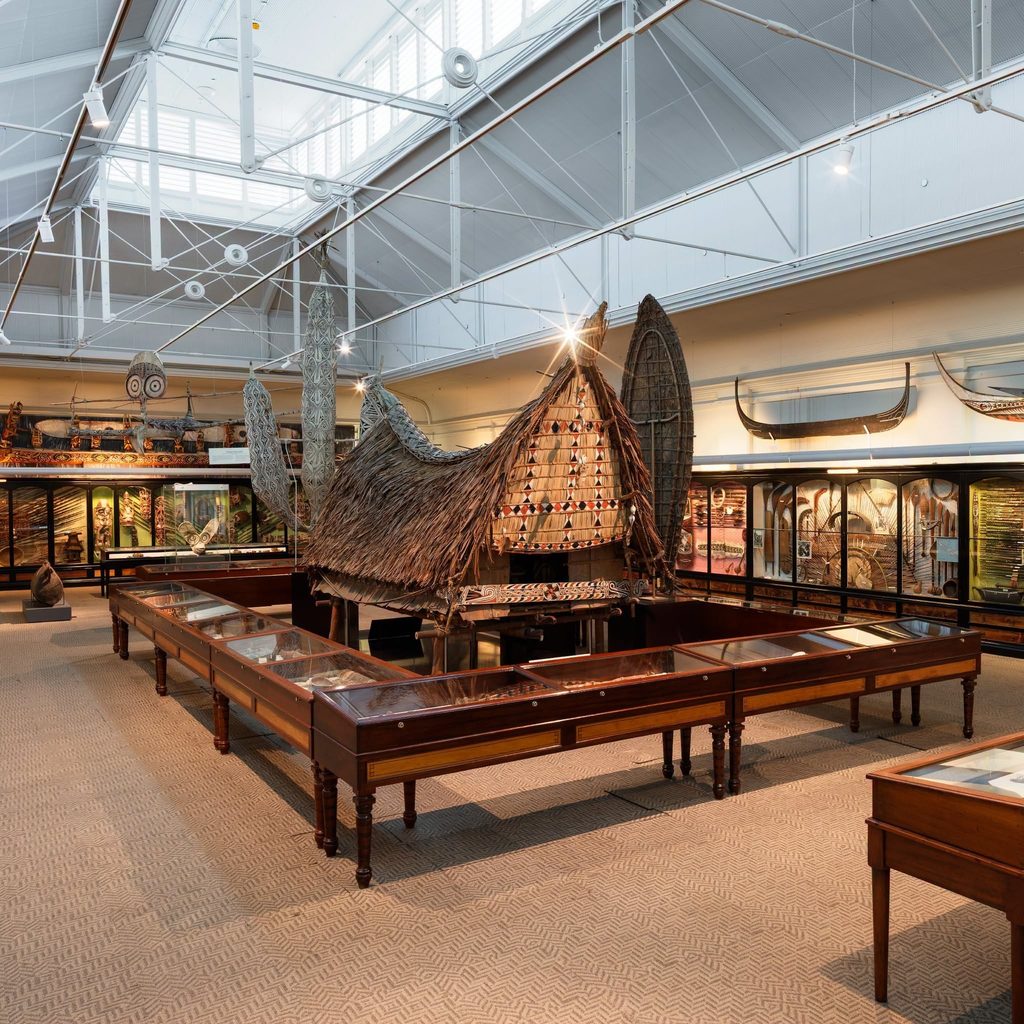
Above: These objects represent spiritual and cultural values, the power of the people who created them.
Picture: SOUTH AUSTRALIAN MUSEUM

