

As climate-related disasters grow more frequent and severe, experts are warning that Fiji must strengthen the way it gathers, communicates and applies weather and climate information if communities are to remain safe.
These concerns were highlighted during the 8th National Climate Outlook Forum (NCOF-8), hosted by the Fiji Meteorological Service in Suva.
The forum brought together government agencies, non-government organisations, marine and fisheries stakeholders, academics and the media to discuss Fiji’s climate outlook and preparedness, with a particular focus on oceans and traditional knowledge.
Fiji’s growing climate vulnerability
Fiji’s vulnerability to floods, droughts, storm surges, heavy swells and tropical cyclones remains high, is largely because of its geographic location and the concentration of communities and infrastructure along low-lying coastal areas.
Participants heard that climate risks were being intensified by rising sea levels, ocean warming, rapid coastal development and increasing urbanisation, placing growing pressure on livelihoods that depend on the sea.
How climate information is used
Stakeholders at the forum said they regularly relied on products such as the Fiji Climate Outlook, Fiji Ocean Outlook and the Tropical Cyclone Seasonal Outlook for disaster preparedness, marine navigation, fisheries planning, shipping safety and community awareness.
However, concerns were raised about delays in accessing climate data and the technical language used in bulletins, which can limit their usefulness for communities and frontline decision-makers.
Gaps in monitoring and data coverage
The forum identified clear gaps in Fiji’s weather and ocean observation networks. Rainfall monitoring stations are largely concentrated in the Western Division, while the Eastern Division and maritime areas have more limited coverage.
Participants also noted that ocean observation systems were underdeveloped and the lack of tide data for parts of the country, particularly the Northern Division, posed challenges for coastal planning and marine safety.
Traditional knowledge still largely untapped
A strong theme throughout the discussions was the continued reliance on traditional knowledge, especially among coastal and maritime communities.
Participants shared examples of how environmental signs, including animal behaviour, lunar cycles and seasonal changes, were used to anticipate weather patterns, fishing conditions and planting periods.
Despite its widespread use, traditional knowledge is not formally documented or integrated into official weather and marine forecasts, prompting calls for closer collaboration with communities to bridge indigenous knowledge and modern climate science.
Communication challenges at community level
The communication of weather warnings emerged as another major concern. Stakeholders said cyclone categories and technical measurements were often poorly understood at community level, increasing the risk of misinterpretation.
There were also concerns that important details could be lost when alerts and warnings were relayed through media platforms, leading to confusion or complacency.
Participants called for clearer, plain-language explanations of impacts and more direct communication from the Fiji Meteorological Service to end users.
What the evaluations showed
Post-forum evaluations indicated strong support for the initiative, with most respondents rating the forum as good or excellent.
A large majority expressed satisfaction with facilitator engagement and agreed that the forum improved awareness of marine weather services.
While most participants felt traditional knowledge had been effectively introduced, they also noted that more work was needed to translate discussions into practical applications.
What happens next
Several action points were identified, including the establishment of a traditional knowledge working group, expansion of tide and ocean monitoring systems, development of an offline weather application for maritime communities and increased public awareness through simplified warnings and social media outreach.
Integrating traditional knowledge into marine forecasts was also identified as a priority.
As Fiji confronts an increasingly uncertain climate future, the forum underscored that scientific data alone was not enough.
Ensuring that climate information is accessible, trusted and understood, while recognising the value of traditional knowledge, would be critical in strengthening national resilience and safeguarding communities.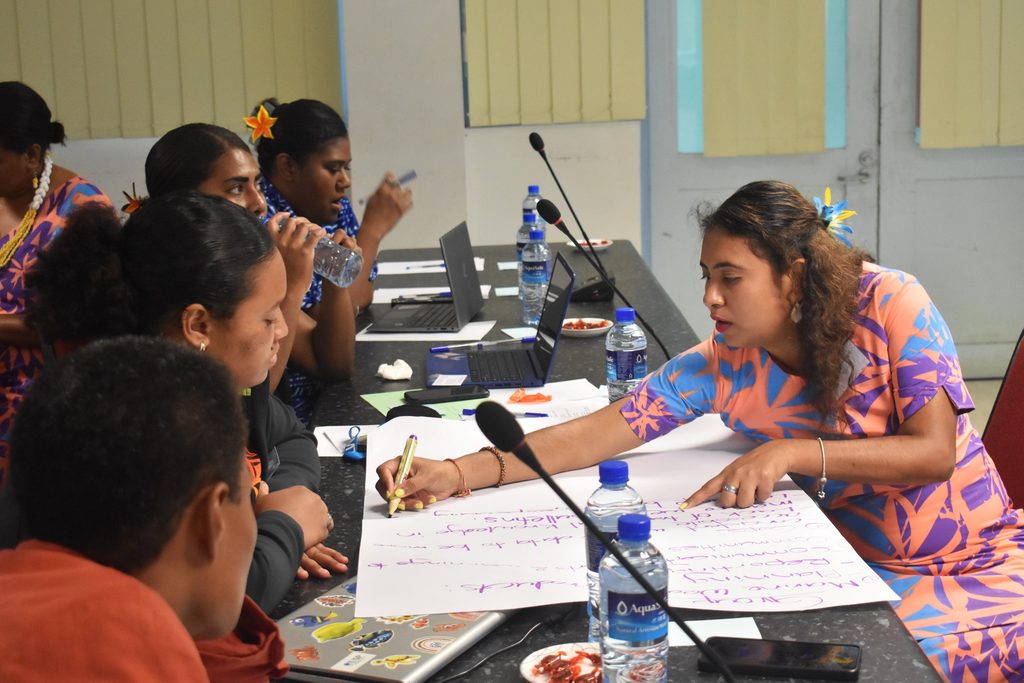
Fiji MET scientific officer, Shweta Shiwangni leads a group discussion during the NCOF that was held in Suva in November 2025.
Picture: FIJI MET
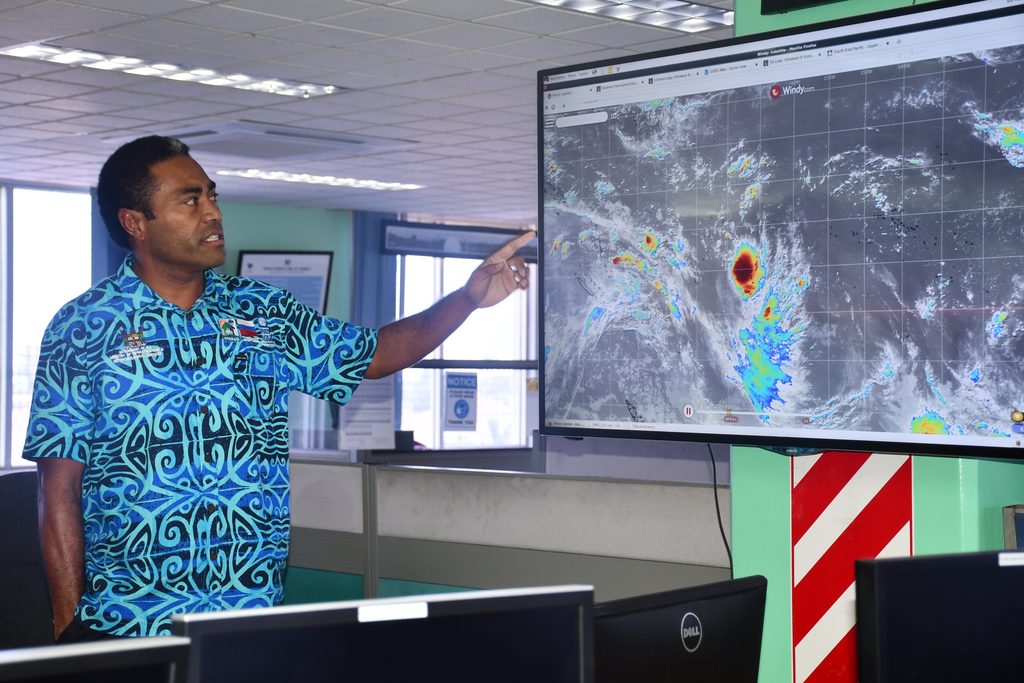
A senior official of the Fiji MET office monitors weather activity at the National Weather Forecasting Center in Nadi. Picture: FIJI MET

