
Despite its painful history Muaniweni still holds hope for the future
THEY were pushed to the margins during the political upheavals of the 2000 coup, treated as though they no longer belonged.
Yet for many Indo-Fijian families in the farming community of Muaniweni, leaving has never been an option.
Despite its harrowing past, Muaniweni remains home.
When The Sunday Times visited the area recently, it met families who continue to believe in the place—drawn by its peace, fertile land and natural beauty.
A place for newcomers
Anjila Devi, originally from Kavanagasau in Nadroga, has lived in Muaniweni since 1985. Like many newcomers, the settlement once felt strange and unfamiliar. Over time, however, it grew on her.
“It’s a quiet place, free from serious crime and noise,” she said.
“It reminds me of my childhood in Sigatoka, where we lived on a sugar cane farmer, by the river.”
She recalls the fear and uncertainty of the 2000 coup, including the two nights her family spent hiding in the jungle.
Yet even then, community ties remained.
“Things are normal now. We were friends before. Maybe it was politics and politicians that caused Muaniweni’s problems,” she reflected.
Surrounded by greenery and close to the river, Muaniweni feels like home. For Anjila, farming is not just survival—it is identity.
“If you have land, get educated and work the farm,” she said. “Don’t just chase white-collar jobs.”
A haven for farmers
For 56-year-old Rakesh Deo, Muaniweni is his heritage.
“My great-grandparents settled here,” he said.
“I was born here, so I feel linked to this place. There’s no other place like it.”
He describes Muaniweni as calm, beautiful and far less stressful than life elsewhere. While the 2000 coup left deep emotional scars, Rakesh believes the community has healed.
“That was a hurtful period for us, but those days have gone. Life here is good. It’s so calm and beautiful that you easily forget the bad things and move on.”
A father of two sons and a daughter, Rakesh believes the government could further support farmers by improving roads and building safer river crossings to access farmland.
Still, he remains steadfast. Muaniweni, with its good neighbours and quiet rhythm, is paradise to him.
New generation can find purpose
At just 20, Avinesh Nand, formerly of Muaniweni College, has already discovered the value of the land.
COVID-19 proved to be his turning point. When businesses shut down and incomes disappeared, Avinesh noticed something important.
“When everything stopped, farmers in Muaniweni could still eat and earn,” he said.
“That’s when I realized farming has huge potential. I never looked back.”
Avinesh now manages several acres of kumala and around 3,000 dalo plants. He dreams big—not of leaving Muaniweni, but of building a better future for his family.
“I want to take my family where my father couldn’t take us,” he said.
“I want to be a very successful farmer and this is possible. I will have to work hard.”
From the force to the farm
For Niteshwar Prasad, a former police officer and student of Vunimono High School, his career ended abruptly after a serious accident in 2006.
“That accident forced me to stop and rethink my life,” he said.
After recovering, and following the loss of his mother later that year, he returned home to take over the family farm in Muaniweni.
Though he grew up on the land, farming was never meant to be his full-time calling—until life intervened.
Today, he manages over 10 acres, including 6,000 dalo plants, pumpkins and poultry. Despite the pain Indo-Fijian families endured during past coups, he says Muaniweni remains a good place to live.
“We were hurt, but we’ve moved on. We have good relationships with our neighbours and villagers.”
For Mr Prasad, the greatest reward is not money, but lifestyle.
“Everything we eat is fresh—straight from the farm to the pot. Farming keeps the body strong and the mind healthy.”
He encourages young people with land not to overlook agriculture.
Choosing home over ambition
At 28, one of the toughest decisions Shivnil Deo ever made was putting family before personal ambition.
A former Muaniweni College student, Shivnil dreamed of becoming an engineer. But as his father aged and the family farm demanded care, he returned home.
“That wasn’t easy,” he said. “Farming requires sweat and commitment.”
Today, he is preparing to take over full responsibility for the family farm, guided by his father’s lessons on discipline and hard work.
“I was born here. So were my father and grandfather. This is our home.”
Shivnil plans to mechanise and expand the farm, and he shares close bonds with neighbours he grew up and went to school with.
Muaniweni, he says, is not just where he lives—it is who he is.
Two willing hearts
Mentorship doesn’t always happen in offices. Sometimes, it grows quietly on a kumala farm.
For the past two years, Mitieli Waqa of Gusuisavu has worked as a labourer under farmer Sher Narayan in Muaniweni—not just for wages, but for wisdom.
“I want to master time management and saving money,” Mitieli said. “He shares his knowledge, and I follow his advice.”
A former Form 6 student who once dreamed of engineering, Mitieli turned to farming when finances closed other doors. Today, he runs his own plot with over 1,000 dalo plants, along with kumala, tavioka and vegetables.
Mitieli’s motivation is his child.
“I’m doing this for my family. Education is an investment.”
His message to youth is simple: work hard, use the land, and don’t forget to save.
A life of simplicity and peace
Ambika Prasad, 66, left school in Class 3. Poverty left little room for dreams.
Raised on a farm with nine siblings, Ambika learned discipline, faith and simplicity from his father—a carpenter and part-time farmer who introduced him to the Ramayan and spiritual life.
More than 40 years ago, Ambika chose a life of solitude and service, becoming a Hindu priest and taking a vow of celibacy.
Today, he lives alone in Muaniweni, tending to his 10-acre farm and surviving on a vegan diet of fruits, root crops and vegetables. He supports the community through prayer, rituals and temple gatherings.
“I live simply—from what I wear to what I eat,” he said. “I chose this life to serve God and the people.”
For Ambika, peace comes not from possessions, but from contentment.
“When I sleep at night, I have no worries about money or stress,” he said. “The more you have, the more headaches you carry. Simplicity brings inner peace.”
A place to cherish
Muaniweni emerges from its painful past not as a place to flee, but as a home to cherish.
Despite the trauma of the 2000 coup and the marginalization that followed, residents remain deeply rooted in the community, drawn by its peace, fertile land, and enduring sense of belonging.
The stories of Anjila Devi and Rakesh Deo show how the village has healed through strong neighbourly bonds and a shared commitment to farming as both livelihood and identity.
For younger residents like Avinesh Nand and Shivnil Deo, agriculture is not a fallback but a path to stability and progress, proving that the land can offer purpose and promise even in uncertain times.
Meanwhile, figures like Niteshwar Prasad and Ambika Prasad highlight the village’s quieter strengths—resilience, simplicity, and spiritual fulfilment.
In Muaniweni, hope is not merely a feeling but a daily practice: tending the soil, nurturing family, and choosing home over escape. It is a community that has turned hardship into a future worth embracing.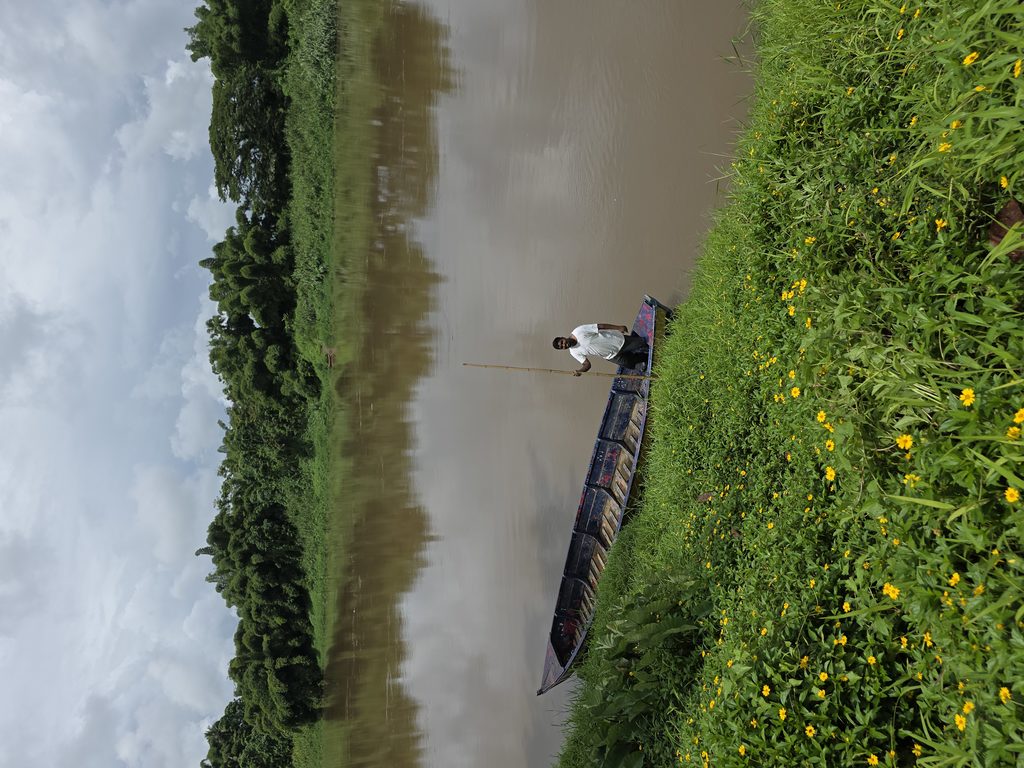
Shivnil Deo, rides a boat daily to cross the river to his farm in Muaniweni. He believes a crossing is needed to help farmers easily access their farms. Picture: JOHN KAMEA

Right: Anjila Devi relaxes at her home in Muaniweni.
Picture: JOHN KAMEA
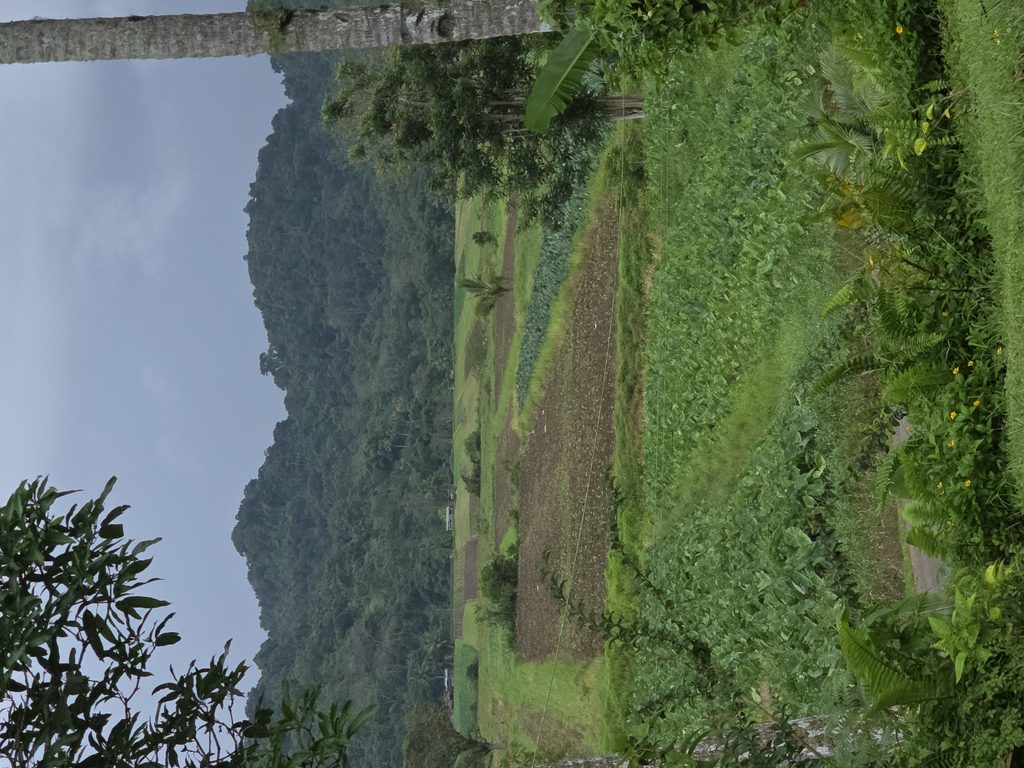
Muaniweni plains, where farming flourishes, watered by the river. Picture: JOHN KAMEA
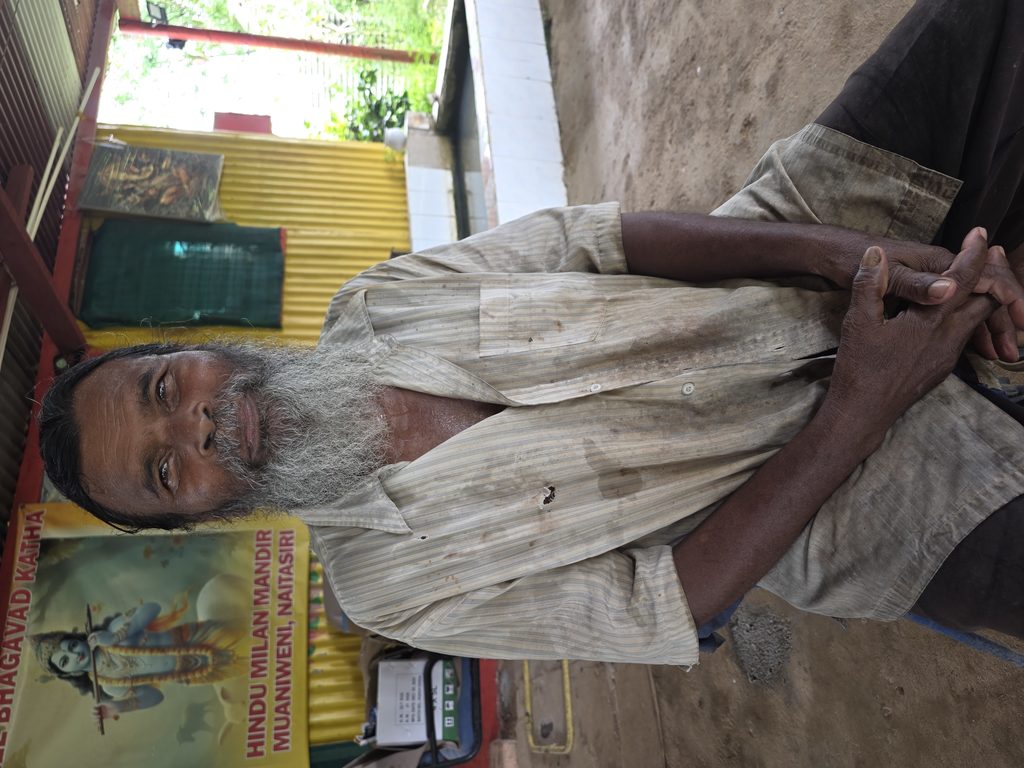
Ambika Prasad, is a priest and farmer who finds peace in Muaniweni, despite its dark history. Picture: JOHN KAMEA
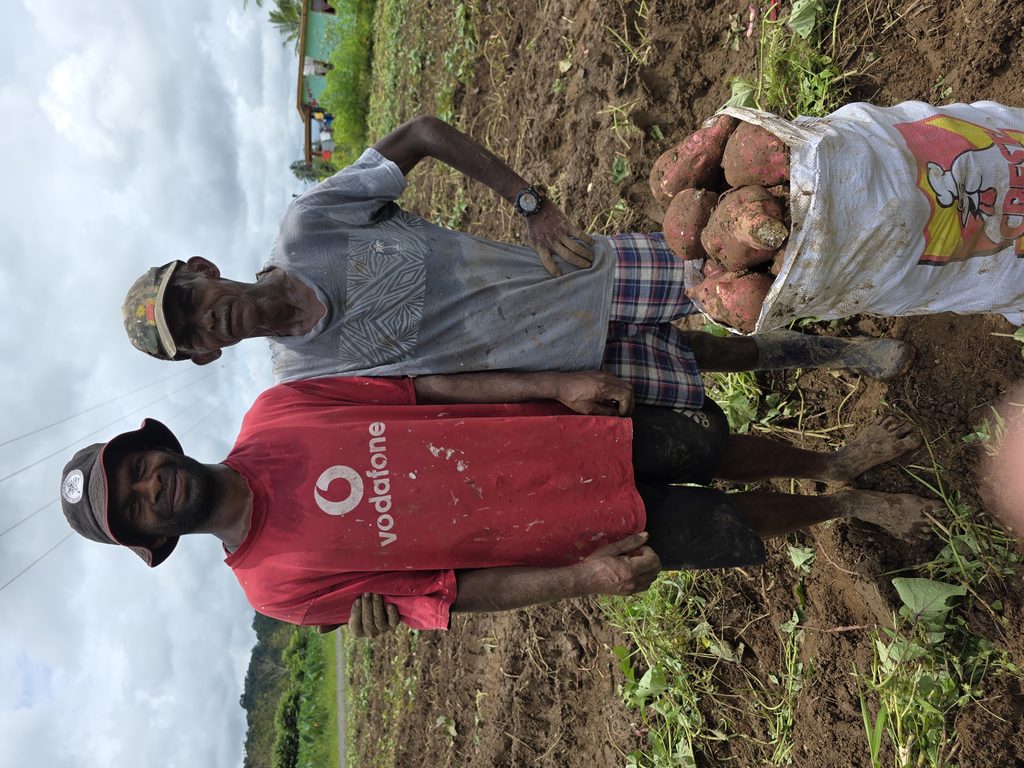
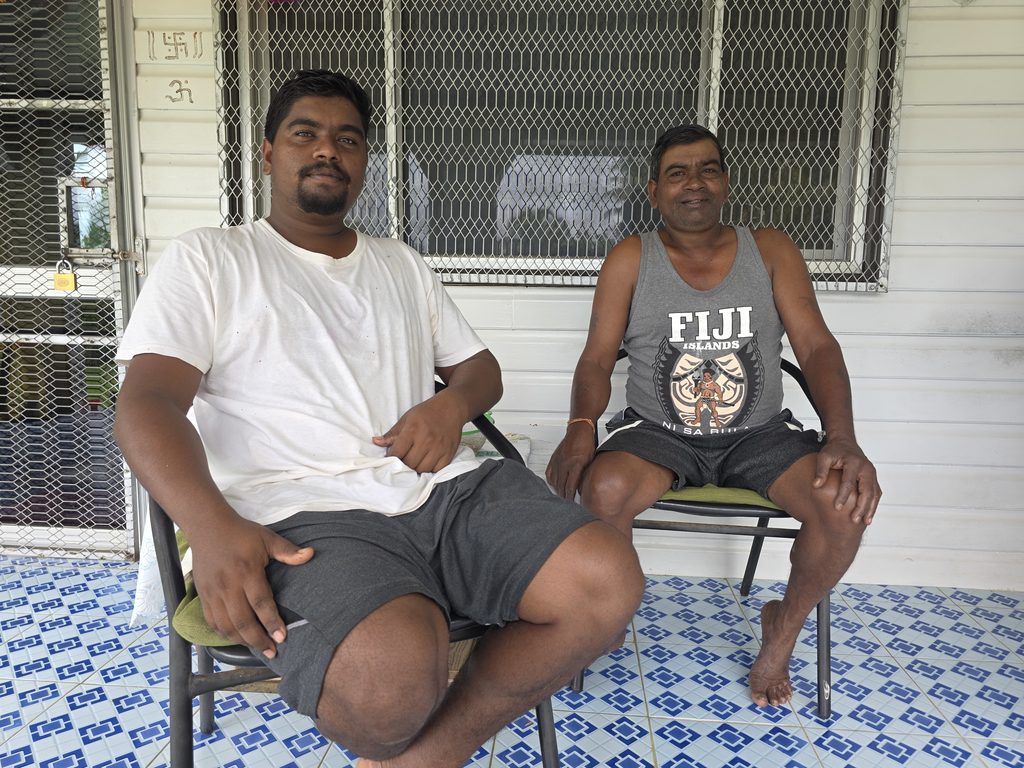
Farm friends (L-R) Mitieli Waqa from Gusuisavu Village and Sher Narayan. Picture: JOHN KAMEA
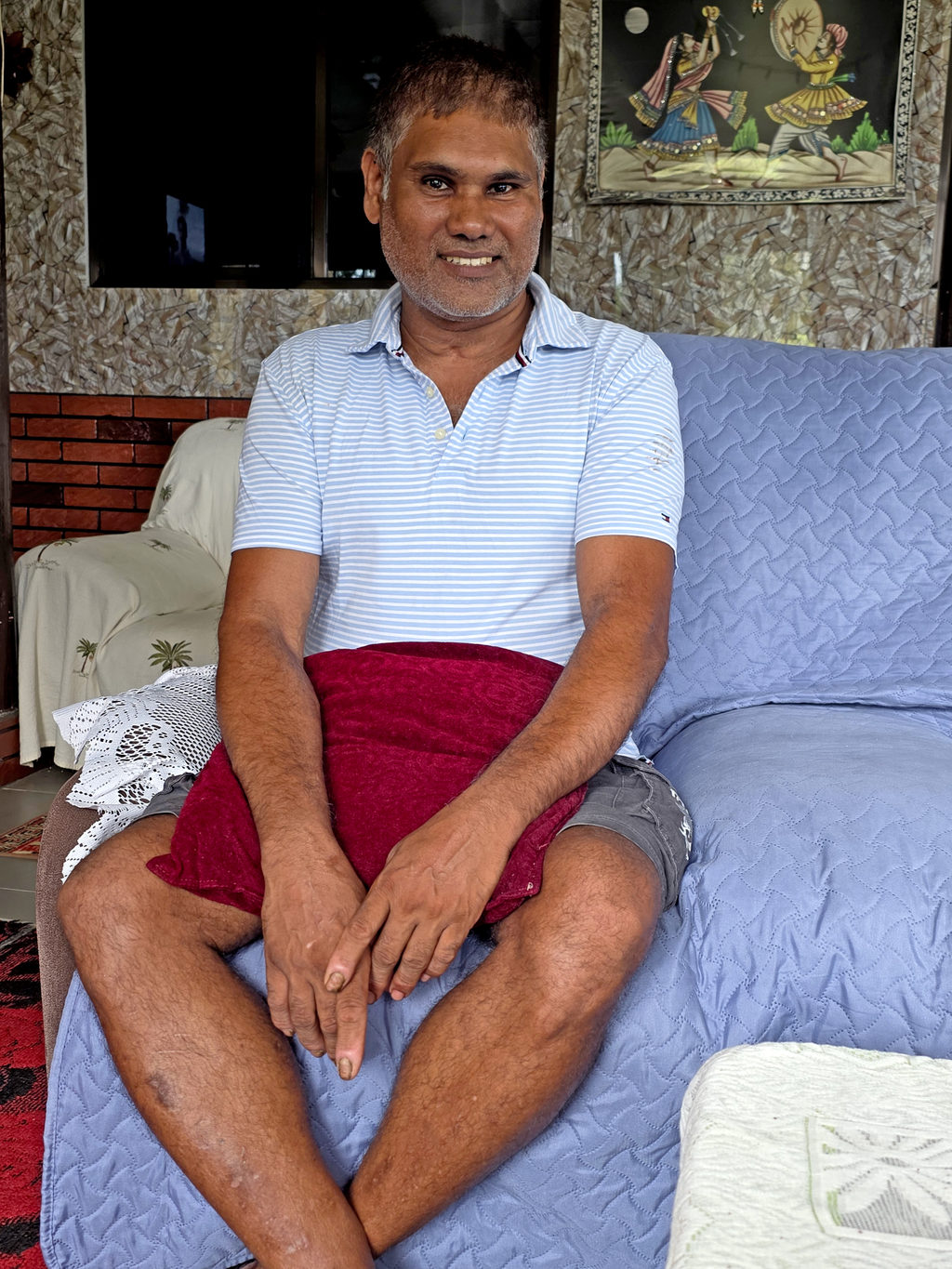
Right: Niteshwar Prasad at his home in Muaniweni, Naitasiri. Picture: JOHN KAMEA
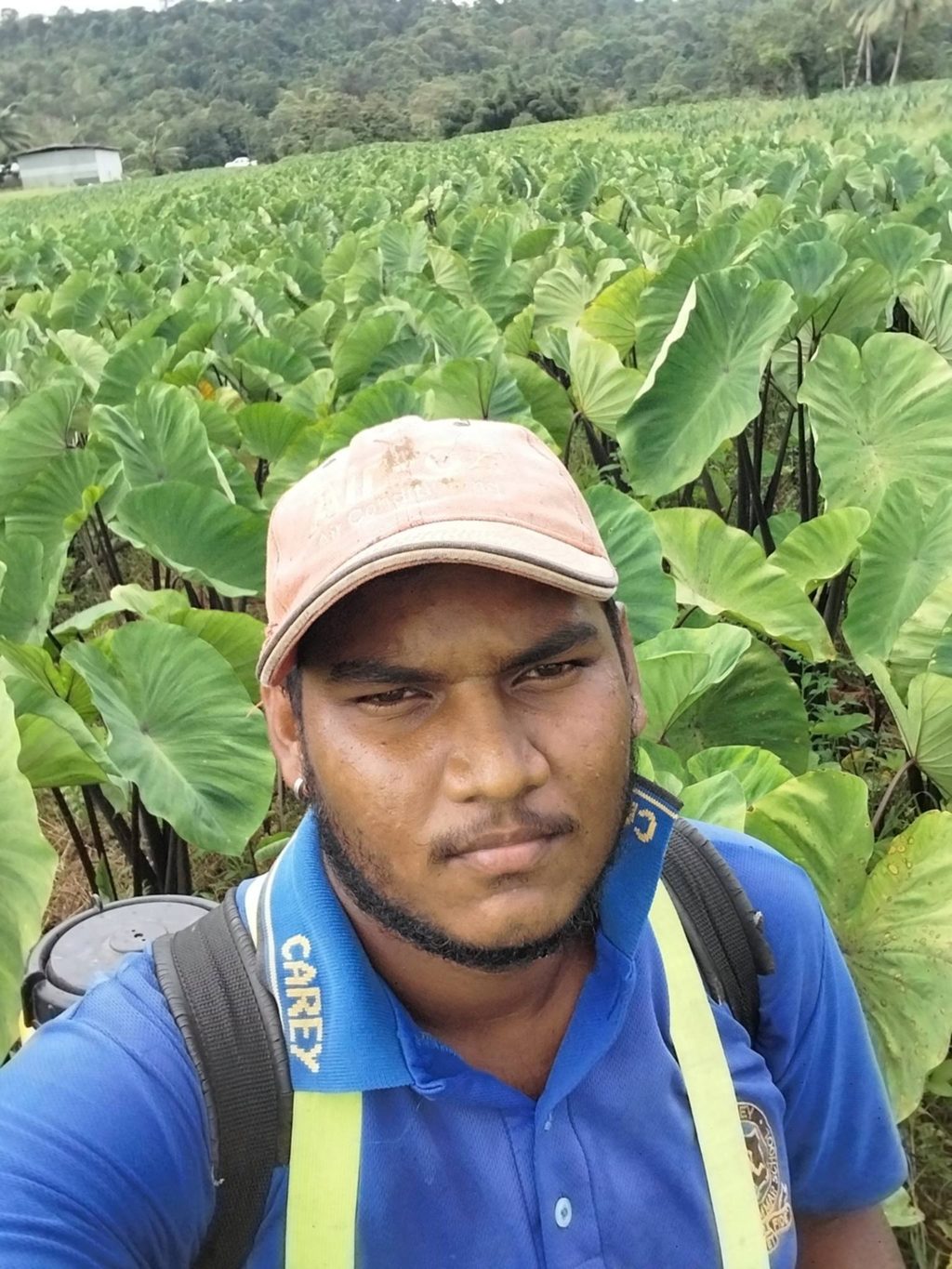
A young man still, Avinesh Nand, has big dreamns of creating wealth through farming. Picture: SUPPLIED

