
SOME Fijians have threatened to take their own lives in front of Online Safety Commission staff after harmful and explicit content about them was shared online
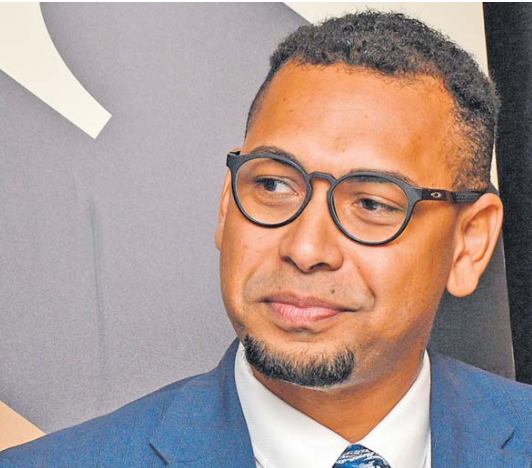
Speaking on The Lens@177, Commissioner Filipe Batiwale said the commission regularly encounters complainants who arrive at its offices in severe distress because of online harm they have experienced.
He said some victims had threatened to end their lives in front of commission staff, highlighting the serious impact that harmful online content can have on individuals.
“One of the challenges facing the commission was its inability to intervene more effectively after harm had already occurred,” Mr Batiwale said.
“Like you’ve got shame that is being experienced by the victims and we are not able to identify the person behind the fake account.
“And there are rules in place that prevent us from actually doing our work because we don’t have the powers.”
Mr Batiwale noted that not all allegations made on social media are accurate, citing cases where accusations posted online were later found to be untrue.
He said this was why the commission relied on a robust investigative process involving both police and social media platforms when handling complaints.
“Powers relating to search and seizure do not rest with the commission but are instead the responsibility of police, who operate under their own standard operating procedures.”
He said the ongoing review of online safety laws presented an opportunity to strengthen co-operation between the commission and the Fiji Police Force.
OSC looks to streamline complaint process
THE Online Safety Commission (OSC) is looking at making its complaints process more accessible, including the possibility of allowing people experiencing online harm to lodge complaints anonymously.
OSC Commissioner Filipe Batiwale, while on The Lens@177, said the commission was working to improve public awareness about its role and powers while also exploring practical ways to make reporting
online harm easier.
Mr Batiwale said there were still significant gaps in public understanding of what the commission does and what authority it has.
“Not just going to villages, communities, and schools, but online spaces as well,” he said.
“Because this is where most of the harms are ongoing and pervasive, and we hope to change that through digital literacy as well in schools.”
When asked whether the commission had identified patterns showing whether online harm was being driven more by people in Fiji or overseas, Mr Batiwale said most cases involved people within Fiji, although the source of harm varied depending on the nature of the complaint.
“One of the challenges faced by the commission is our current complaints system, which often requires complainants to complete detailed forms.”
According to Mr Batiwale, many people experiencing online harm choose not to fill out the forms because recounting and documenting their experiences can be distressing and discouraging.
He said the commission wanted to address this barrier by developing a more accessible reporting process and was considering anonymous complaint mechanisms as a possible solution.
“So we want to change that, to make it more accessible for those that are experiencing harm, to have a practical way of lodging a complaint anonymously, probably.”

