Historical reports published in The Fiji Times have helped uncover the role of indigenous Fijians in rescuing indentured labourers from a shipwreck at Nasilai Reef in 1884, challenging colonial accounts that portrayed villagers as thieves.
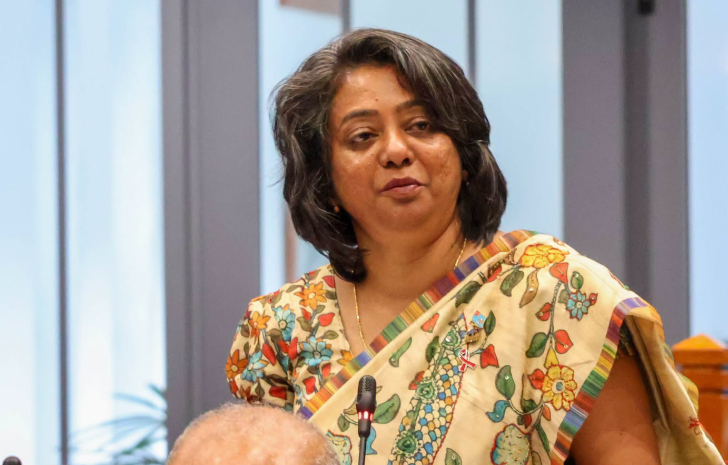
Minister for Women, Children, Social Protection and Cohesion, Sashi Kiran told Parliament on Wednesday that archival records, including early reports from The Fiji Times, had helped establish that the people of Noco in Rewa were responsible for saving the lives of passengers aboard the ill-fated Cedars.
Ms Kiran said Fiji’s history books had relied heavily on colonial accounts for more than a century, resulting in important contributions by indigenous communities being overlooked or misrepresented.
“For over a century, our history books have relied heavily on Eurocentric colonial reports,” she said.
“For generations, the official accounts credited the colonial administrator, Dr. William MacGregor, with the rescue.”
She said those accounts had also unfairly portrayed indigenous Fijians who were present at the scene.
“Worse, those official reports unjustly claimed that the indigenous Fijians were only there to steal.”
Ms Kiran said this narrative had been repeated by mainstream historians for decades and contributed to divisions between communities.
However, oral histories preserved by traditional leaders told a different story.
She said the late Roko Tui Bau, Ratu Jone Madraiwiwi, had directed researchers towards Rewa rather than Tailevu, while the late Tui Noco, Ratu Isoa Damudamu, shared accounts of how his ancestors had led the rescue.
The Minister said the oral accounts initially faced scepticism from some academics.
It was through further examination of historical documents, including newspaper reports, that the accounts were corroborated.
“By digging beneath the MacGregor reports, searching through the actual ship accident files and examining early accounts in the Fiji Times, we found that oral history corroborated with the documents kept in the archives,” Ms Kiran said.
She acknowledged the work of Dr Ganesh Champagne in cross-referencing the oral histories with official archival records.
“The evidence proved what the vanua always knew,” she said.
“People of Noco in Rewa mobilised traditional means to brave the crushing waves.”
Ms Kiran said the villagers pulled drowning Girmitiyas from the reef, provided shelter and saved their lives.
Those who died were buried in sacred burial grounds at Waiwai, where their graves have continued to be cared for by the local community.
“When the villagers clean their graves of their ancestors each year, they have done the same for our ancestors for the past century and a half,” she said.
The Minister said the discovery demonstrated the importance of the National Archives in preserving historical records and correcting accounts that had overlooked the experiences and contributions of local communities.