
Energy Fiji Limited (EFL) has welcomed the Fijian Competition and Consumer Commission’s (FCCC) independent determination on revised electricity tariffs, which will apply from 2026 to 2029.
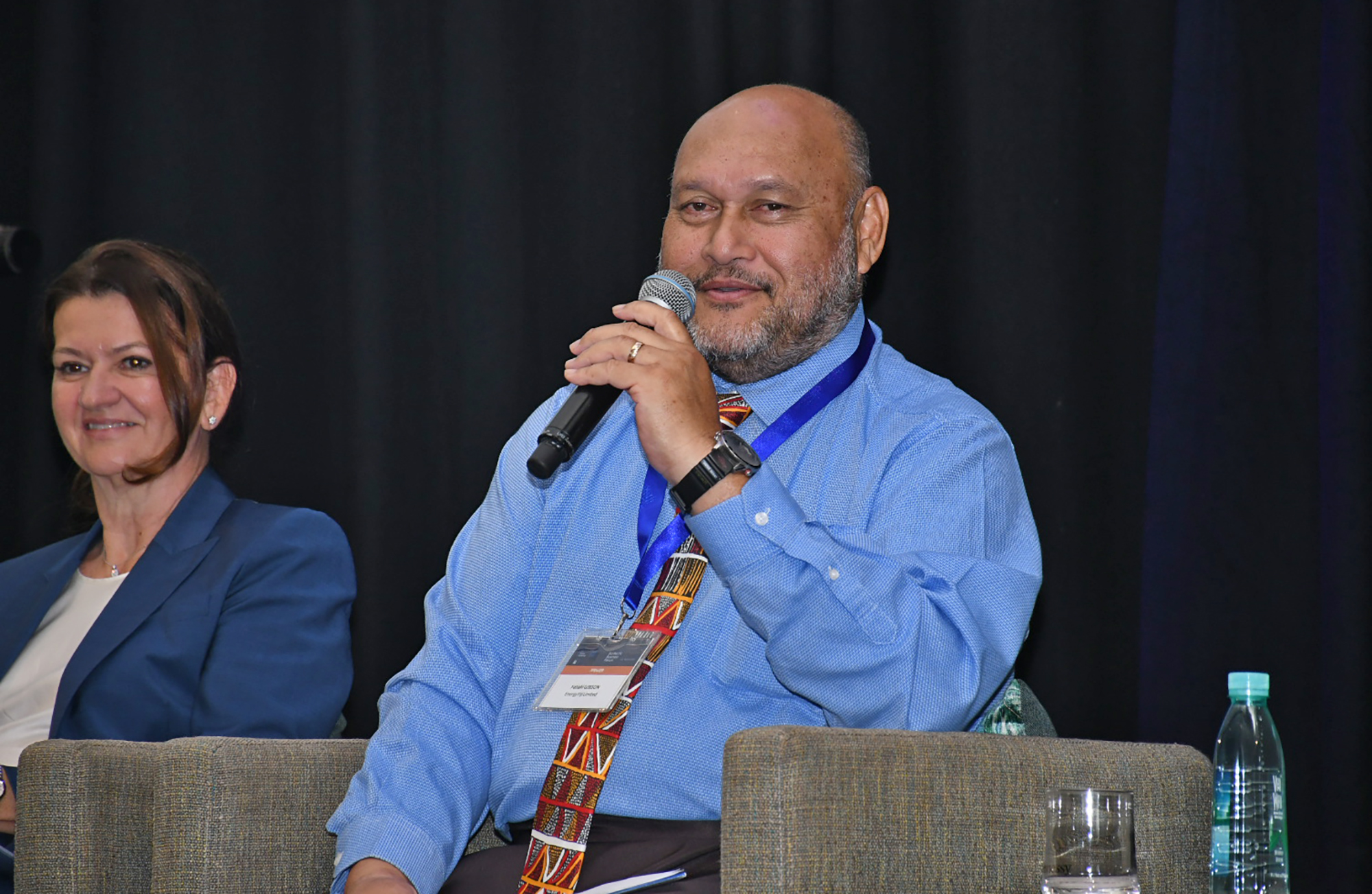
EFL Chief Executive Officer, Fatiaki Gibson, said the decision follows EFL’s tariff resubmissions made in 2023 and marks a shift from a single flat tariff to a stepped inclining block structure for domestic and commercial customers, while retaining the existing structure for industrial users.
“We welcome the FCCC’s independent determination of the revised electricity tariffs, which ensures a fairer pricing structure while supporting the long-term sustainability of Fiji’s electricity system,” Mr Gibson said.
“These adjustments ensure that Fiji’s largest electricity users, who depend most on grid stability, support the investment needed for long-term reliability.”
Mr Gibson said that even after the tariff revisions, Fiji’s electricity prices remain among the lowest in the region.
“Fiji continues to have the lowest domestic electricity rates in the Pacific, lower than Samoa, Tonga, Solomon Islands, Vanuatu, Papua New Guinea, Australia and New Zealand,” he said.
“For commercial customers, Fiji has the second-lowest rates in the Pacific, with only New Zealand being lower.”
He said the FCCC determination supports EFL’s major long-term investment programme aimed at building a stronger and cleaner energy future.
Planned investments include more than $700 million in modernising the national power grid, $400 million in grid-scale solar projects, and $653 million for major new hydro developments at Lower Ba and Upper Wailoa.
“These investments will improve reliability, reduce outages and help Fiji achieve 60 percent renewable energy by 2029 and 90 percent by 2035,” Mr Gibson said.
“In the long term, this will deliver more stable power and savings as Fiji reduces its reliance on imported fuel.”

