
Fiji is facing a growing obesity crisis with nearly 40 per cent of the population classified as obese and more than a quarter overweight, health experts warn.
National Diabetes Centre principal medical officer Dr Momtaz Ahmed said the trend reflected a wider global concern but was particularly severe across the Pacific region.
“We already know that there is a high rise of obesity over the world,” Dr Ahmed said.
“It is a global public health challenge now.” He said many Pacific nations were among those carrying the highest obesity burden worldwide.
“Among the top 10 countries of the world who have high burden of obesity, most of these countries are in the Pacific region.
“And Fiji also has a high burden of obesity.” He said findings from the latest STEPwise approach to NCD risk factor surveillance (STEPS) Survey showed the extent of the problem locally.
“The STEP survey that we have done last year in 2025, is released this year and that indicates that our obesity prevalence is 39.9 per cent, which is nearly 40 per cent, and 29.2 per cent of our population is also overweight. Only 28.5 per cent people of Fiji have normal body mass index.”
Dr Ahmed said the figures highlighted a major public health concern because obesity and overweight were key risk factors for non-communicable diseases (NCDs).
“So, can you imagine that 40 per cent are obese and 29.2 per cent are overweight. That increases the burden of NCDs because obesity and overweight is one of the risk factor of NCDs such as diabetes, high blood pressure, different types of cancer, etcetera.”
He stressed that obesity was largely preventable.
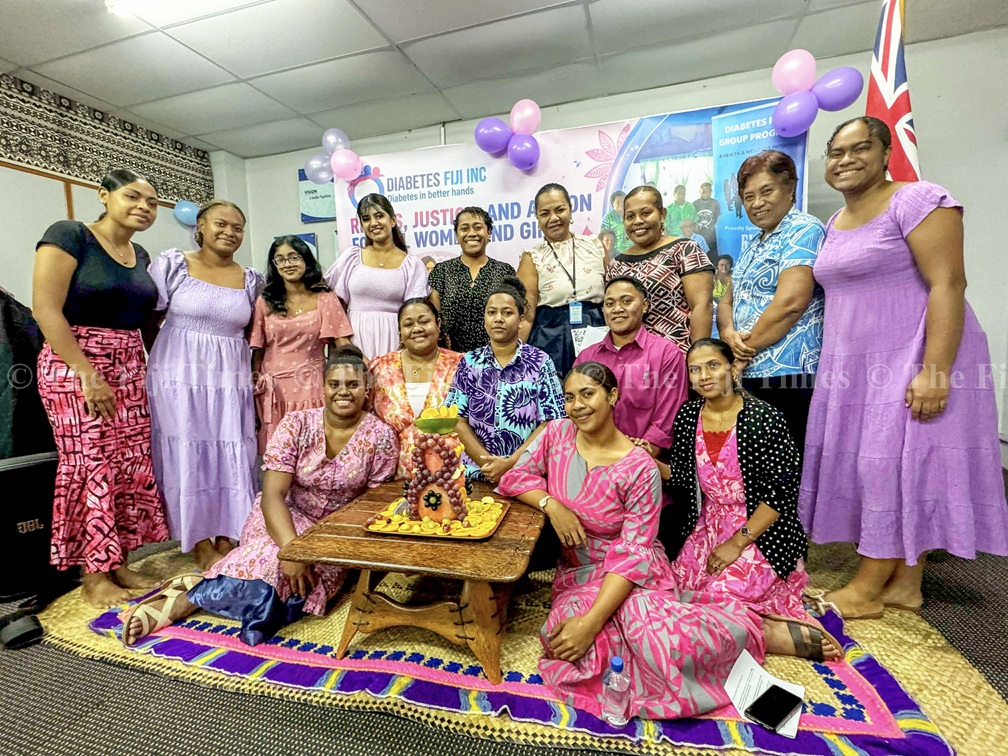
Meanwhile, Minister for Health Dr Ratu Atonio Lalabalavu highlighted the particular impact obesity had on women while speaking at the World Obesity Day and International Women’s Day celebration in Suva yesterday.
“Women in Fiji experience higher rates of obesity compared to men in many age groups,” Ratu Atonio said.
“This is deeply significant because women are not only individuals at risk — they are mothers, caregivers, educators, and health decision-makers within households.
“When we empower women with knowledge, resources, and access to care, we empower entire families.”
l Editorial Comment on PAGE 8

