A New Caledonian chocolate manufacturer has expressed interest in sourcing approximately 2000 tonnes of cocoa from Fiji, opening a potential export market four times larger than the country’s reported peak cocoa exports in the 1980s.
The interest comes as efforts gather pace to revive an industry that once provided income for rural farmers but has struggled for decades with disease, cyclone damage, poor market access and limited investment.
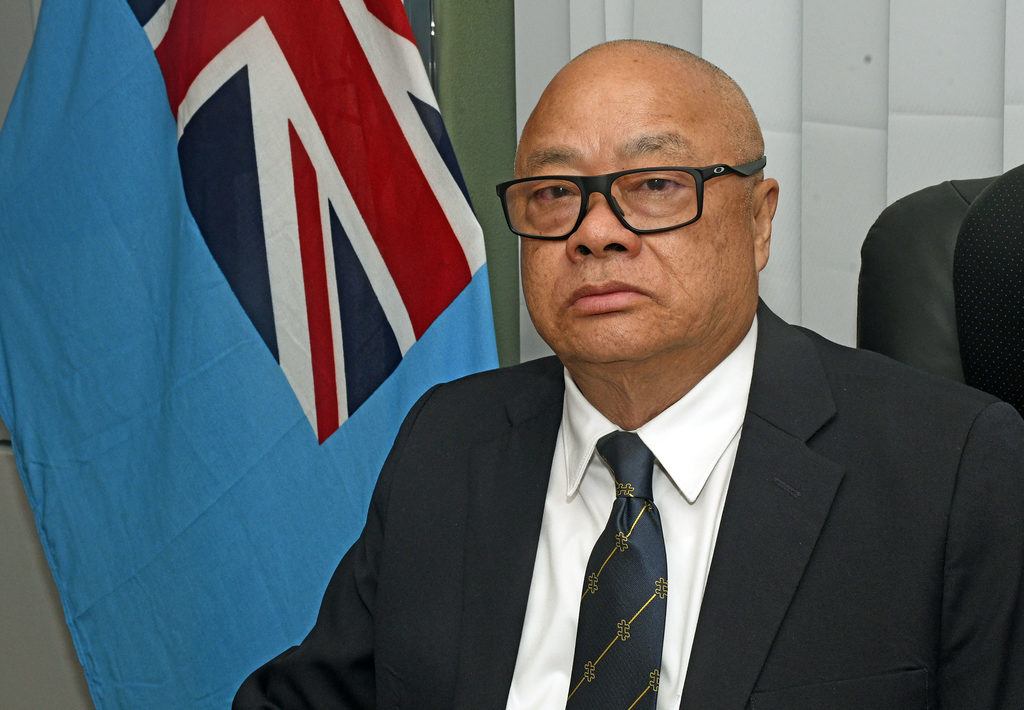
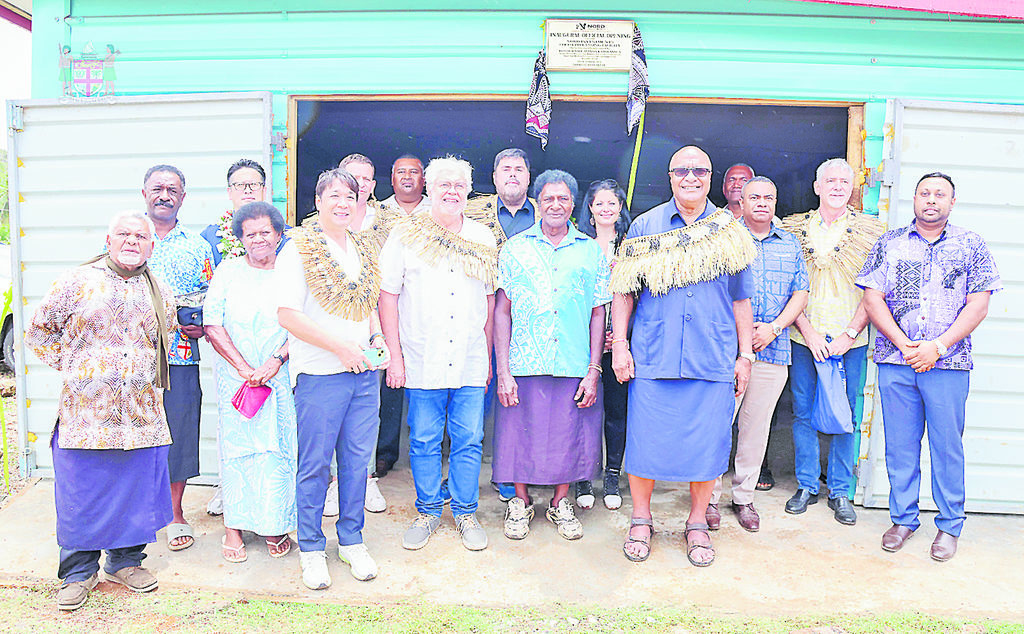
Deputy Prime Minister and Minister for Industries, Commerce and Business Development Manoa Kamikamica disclosed the potential demand in Parliament, linking it to the recent opening of NORD Investments’ cocoa processing facility in Dreketi, Macuata on Vanua Levu.
Fiji’s cocoa exports peaked at approximately 500 tonnes during the 1980s before declining over subsequent decades.
Rebuilding production to meet demand on the scale now being discussed would require considerable investment in farms, planting materials and processing capacity.
“The New Caledonian buyer is looking at around 2000 tonnes to be supplied from Fiji,” Mr Kamikamica told Parliament.
The buyer, New Caledonian chocolate manufacturer BISCOCHOC, has entered into a contractual arrangement with NORD Investments, which is working to establish a supply chain between Fiji’s cocoa farmers and the overseas market.
NORD’s newly opened facility will buy wet cocoa beans directly from farmers, initially concentrating on Bua, before undertaking the fermentation, drying and processing required to meet export standards.
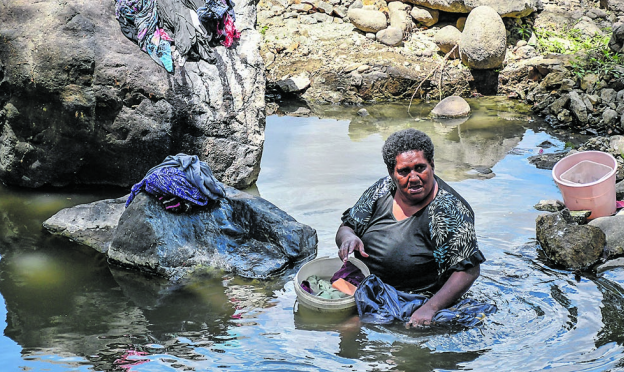
This addresses one of the difficulties farmers have faced over the years: producing cocoa without reliable access to buyers or the facilities needed to prepare their beans for export.
With a commercial buyer and local processing capacity in place, farmers who abandoned cocoa cultivation may have reason to reconsider the crop.
In contrast, existing growers could expand production.
But the Deputy Prime Minister made clear that market interest alone would not rebuild the industry.
Farmers would need technical support, improved planting materials and confidence that the commercial arrangements could be sustained.
“It’s one thing to go and get our government people to train. If you don’t have the private sector on the ground, that collaboration falls,” he said.
The ministry is working alongside the Ministry of Agriculture under the Fiji Cocoa Investment Plan, which covers the rehabilitation of existing farms, nursery development, improved planting materials, farmer training and market access.
The Government’s Commercial Agriculture Task Force is also working to strengthen coordination between agricultural agencies, research institutions and private investors.
For Mr Kamikamica, private-sector involvement is particularly important.
Government assistance can help farmers improve production, but a functioning market is needed for that investment to translate into sustained income.
He also noted the potential for agroforestry, where cocoa is cultivated alongside existing trees and vegetation.
The approach gives opportunities to expand production without extensive land clearing while supporting the development of higher-value cocoa products.
Local ownership, he stressed, must be part of the industry’s recovery.
“It’s not simply about us supplying foreign interests.
“It’s really about getting local ownership,” Mr Kamikamica told Parliament.
He acknowledged the farmers and businesses that had remained in the cocoa industry despite years of difficult conditions, noting that their continued involvement had helped keep the sector alive.
The renewed push into cocoa forms part of the Coalition Government’s expanded efforts to diversify Fiji’s economy through commercially viable agricultural industries.
Coffee, citrus and other high-value crops are also being assessed for their potential to attract investment and create rural jobs.
“We are building the future economy of this country,” he said.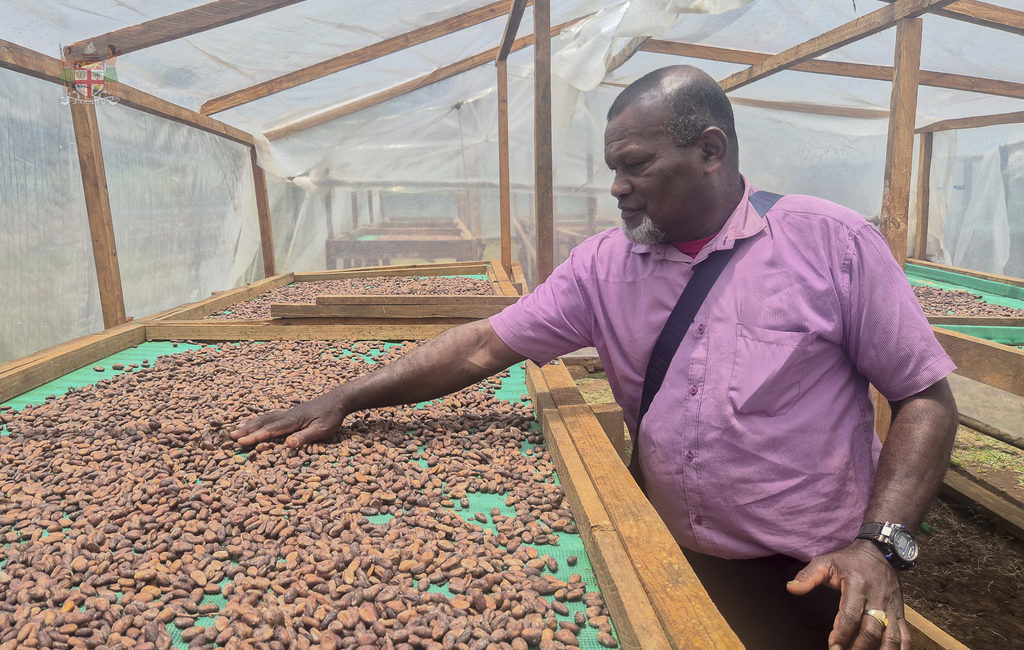
With a commercial buyer and local processing capacity in place, farmers who abandoned cocoa cultivation may have reason to reconsider the crop.
Picture: SUPPLIED/MINISTRY OF COMMERCE