
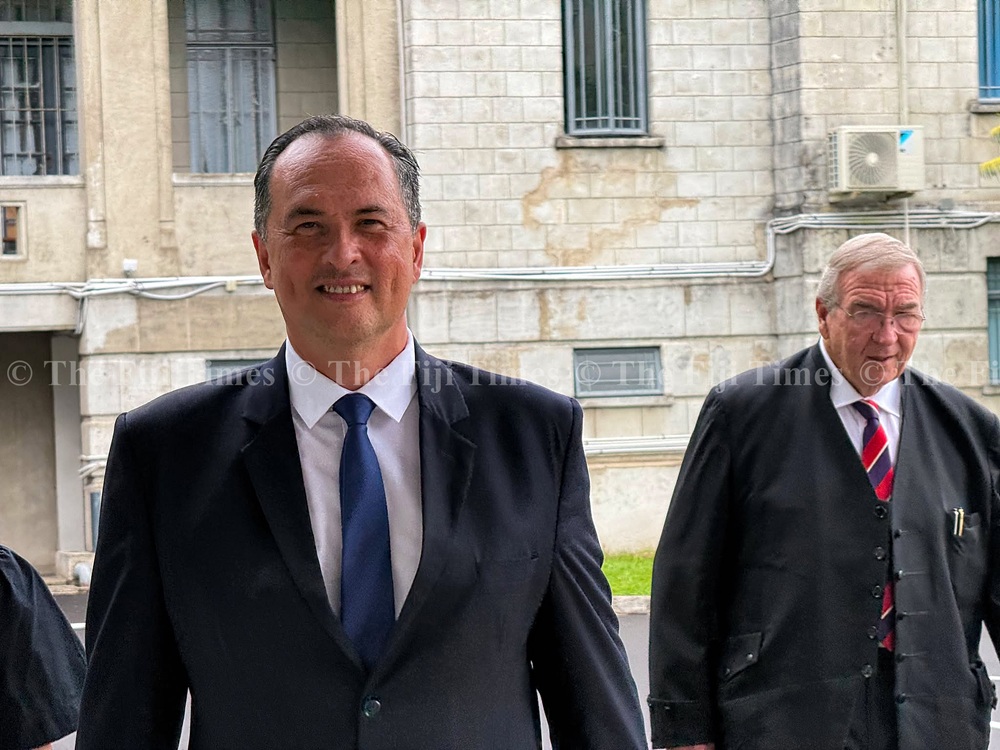
Transcripts from last year’s Commission of Inquiry (COI) have revealed a series of controversial remarks made by Commissioner Justice David Ashton-Lewis, including a description of Suva lawyer Tanya Waqanika as “one of those weird-faced creatures”.
The comments were read in the High Court yesterday by Ms Waqanika, who is representing former Fiji Independent Commission Against Corruption (FICAC) Commissioner Barbara Malimali.
Ms Malimali is challenging the findings of the COI into her appointment.
Separate judicial review applications have also been filed by Suva lawyers Wylie Clarke and Laurel Vaurasi, along with former attorney-general Graham Leung.
All three matters were heard before Justice Dane Tuiqereqere over the weekend.
The Court heard that the remarks formed part of a broader section of the transcript in which Justice Ashton-Lewis recounted unrelated anecdotes involving female nudity, race, and body image, before drawing comparisons between individuals involved in the inquiry and fictional characters.
Ms Waqanika submitted that the commissioner had labelled her client “deceitful” and “universally corrupt,” while also acting beyond the scope of his mandate.
She argued that the COI’s terms of reference were limited to examining the circumstances surrounding Ms Malimali’s appointment, not making broader character assessments or allegations.
She further contended that Ms Malimali was denied natural justice.
According to Ms Waqanika, her client was informed on January 3 last year that the inquiry would begin on January 6, leaving little time to prepare.
Legal counsel was only secured one day before proceedings commenced.
Ms Malimali was also not given an opportunity to respond to adverse findings, nor was she warned that such findings would be made, the court heard.
Concerns were also raised about the participation of Auckland-based lawyer Rajendra Chaudhry and Australian social media activist Alex Forwood, who were allowed to attend proceedings, cross-examine witnesses, and participate fully, while Ms Malimali and her counsel were excluded from parts of the hearing. Ms Waqanika noted that Mr Chaudhry was not licensed to practise in Fiji and had a prior contempt of court conviction.
She also criticised the handling of the COI report, stating it was shared with the Fiji military commander and police commissioner before being provided to her client. This, she argued, was particularly troubling given that Prime Minister Sitiveni Rabuka had previously challenged a COI through judicial review.
Ms Waqanika told the court she had written nine times to the President’s Office raising concerns that the inquiry was exceeding its mandate but received no response.
She further argued that the commissioner demonstrated bias and malice, pointing to statements suggesting he had been tasked by the Prime Minister to find “crocodiles in the pond,” and that the inquiry’s outcome appeared pre-determined.
She noted that of the 17 recommendations made, two had already been implemented: the dismissal of Mr Leung and the revocation of Ms Malimali’s appointment.
She added that the Office of the Director of Public Prosecutions, supported by independent counsel, had found insufficient evidence to lay charges against those implicated.
Responding for the State, Deputy Solicitor-General Eliesa Tuiloma acknowledged the importance of procedural fairness but said the Government maintained a neutral position. He told the court that the State did not have access to all relevant COI documents, noting that records could be lost within the system.
Justice Tuiqereqere questioned why no application had been made to compel disclosure of the documents, or why Justice Ashton-Lewis had not been contacted directly. Mr Tuiloma said no such steps were taken, citing other court commitments.
The hearing continues.

