
The government is moving to put firm foundations under one of the country’s fastest-growing agricultural industries with the development of a National Kava Policy and proposed Kava Bill, aimed at protecting quality, expanding exports and strengthening rural livelihoods.
Kava, or yaqona, remains one of Fiji’s most culturally significant and economically valuable crops, particularly for rural and outer island communities where alternative income opportunities are limited.
In 2024 alone, Fiji exported 730 tonnes of kava worth $53 million, overtaking export earnings from dalo and ginger and reinforcing the crop’s status as a major foreign exchange earner.
According to the draft policy, global demand for kava continues to surge, led by the United States where the product is now used in health and wellness beverages, extracts and supplements, and served in more than 350 kava bars nationwide.
Demand is also rising in New Zealand and Australia, supported by labour mobility schemes and relaxed import arrangements.
Despite the growth, the kava industry has operated for decades without a national strategic framework, leaving farmers, exporters and regulators grappling with inconsistent supply, uneven quality standards and increasing regulatory barriers in overseas markets.
The Ministry of Agriculture and Waterways says the new policy and accompanying legislation are intended to address these gaps.
“Strong domestic and international demand for quality and safe kava continues to grow, but regulatory measures have been weak,” the draft policy states.
“There has been no national strategic framework to provide direction and safeguard the kava industry.”
Big business, small farmers
The importance of kava to Fiji’s rural economy is underscored by recent census data. Fiji’s 2020 Agriculture Census recorded more than 83,000 farmers nationwide, while a 2024 yaqona farming survey identified 14,532 kava farming households and 17,200 farmers.
Most are smallholder producers practising subsistence, semi-commercial or commercial farming.
The Northern Division accounts for the largest share of kava farmers at 42 per cent, followed by the Central and Eastern divisions at 21 per cent and the Western Division at 16 per cent.
A 2017 value chain analysis estimated the total gross income from kava sales at around $320 million, with 92 per cent coming from domestic sales.
With farm-gate prices almost doubling since then and farmer numbers increasing, the policy notes that kava production has become even more profitable.
At the same time, challenges persist, including farm access, plant diseases such as kava dieback, and increasingly strict quality and safety requirements imposed by importing countries.
Clear targets, stronger regulation
The proposed National Kava Policy sets out an ambitious vision of a “sustainable, resilient and prosperous” industry that contributes to the national economy while preserving the cultural significance of yaqona.
Key targets include increasing national kava production by 50 per cent over five years, achieving full compliance with international quality and safety standards, and expanding exports into at least five new international markets by 2030.
The policy also places a strong emphasis on inclusion, aiming to increase participation by youth, women, people with disabilities and those in remote areas by 30 per cent across the kava value chain.
Five strategic priorities underpin the plan: quality assurance and regulation; infrastructure, technology and inputs; research and innovation; market access and trade facilitation; and capacity building and inclusion.
The policy will pave the way for the proposed Kava Bill and the establishment of a Kava Council, which would oversee regulation and coordination across the sector.
Officials say a clear policy direction will allow government agencies and industry players to work together more effectively and prioritise investment and resources as Fiji positions itself to meet growing global demand.
If adopted, the policy and legislation would mark the first comprehensive national effort to regulate and protect Fiji’s kava industry, which has become a crop deeply rooted in tradition, and increasingly vital to the country’s economic future.
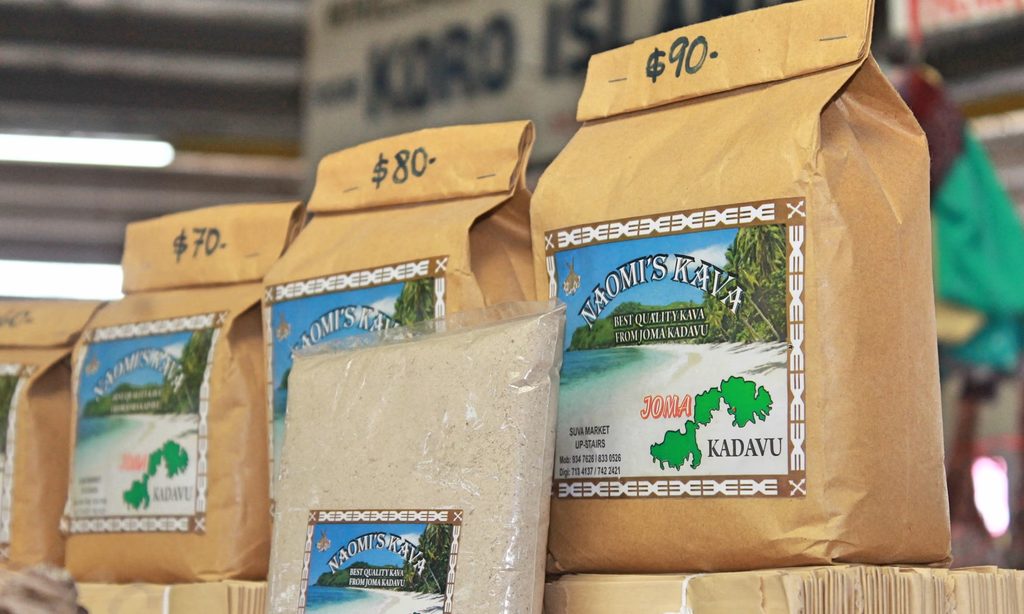
Government plans for a new national policy and legislation seek to regulate the rapidly expanding kava industry as global demand continues to rise.
Picture: TALEI TORA/THE GUARDIAN

