
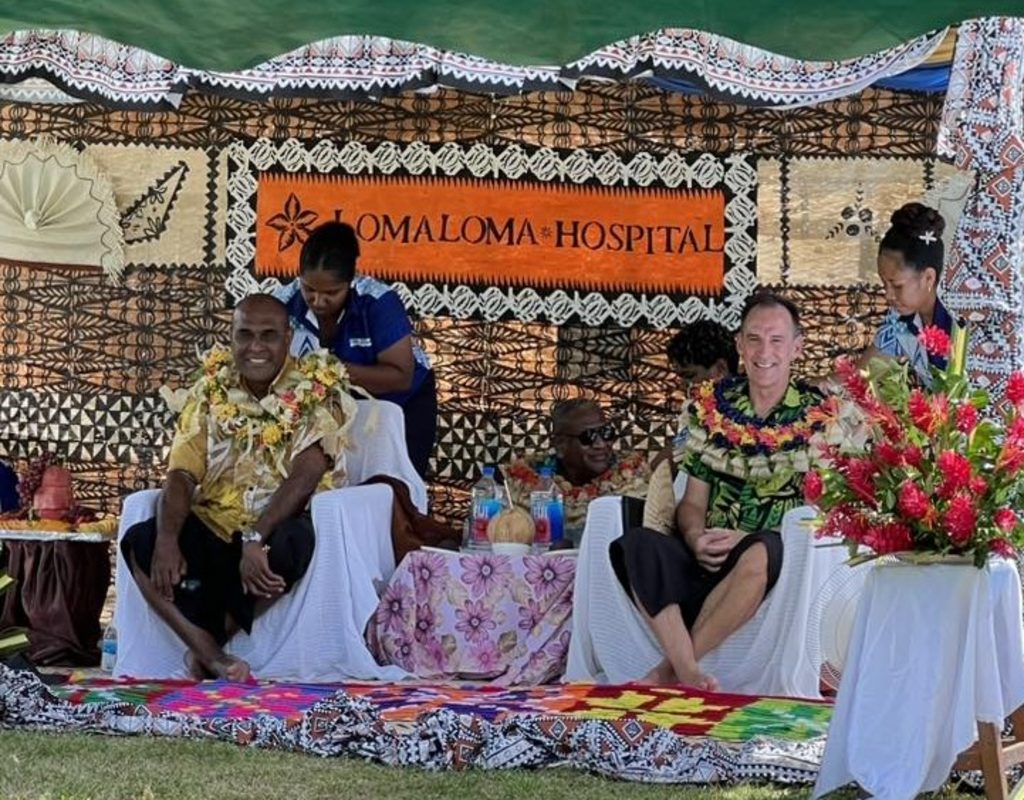
Gone are the days when healthcare workers at Lomaloma Sub-Divisional Hospital had to rely on lamps and inconsistent power to store essential medicines or administer lifesaving treatments.
A newly commissioned solar energy system, funded by New Zealand’s Ministry of Foreign Affairs and Trade (MFAT) and delivered through a partnership led by Cure Kids Fiji and the Fiji Ministry of Health and Medical Services Oxygen Programme, now ensures reliable electricity for the hospital and its medical equipment.
The commissioning ceremony, held on last Thursday, was attended by Ministry officials, the people of Vanua Balavu, and representatives from project partners including the University of Auckland, Live & Learn Environmental Education, Azimut 360, Fiji National University, and CBS Power Solutions (Fiji) Ltd, who completed the installation.
Three additional solar sites at Korotasere Health Centre, Yaqeta Nursing Station, and Yanuya Nursing Station were also officially commissioned.
A life-saving initiative
Speaking at the ceremony, Udila Tawake, National Coordinator for the Fiji Oxygen Programme, highlighted the critical role oxygen plays in saving lives.
“Severe pneumonia and newborn illness remain the leading causes of death among children in Fiji,” she said.
“Adequate oxygen treatment reduces deaths from severe pneumonia by 35 per cent. Oxygen is not just a treatment – it is essential for life, from newborns to the elderly, and from emergency to routine care.”
The Fiji Oxygen Programme, which consists of 11 Ministry of Health staff and five Cure Kids personnel, including biomedical technicians and engineers, has been at the forefront of ensuring standardised and sustainable access to oxygen across Fiji.
The programme supports the installation of solar panels in rural and maritime areas to guarantee a reliable power source for oxygen delivery systems.
“By integrating renewable energy solutions, we are improving health care outcomes and building a climate-resilient health system for the future,” Ms Tawake said.
“This ensures our healthcare workers can deliver quality care in a safe and efficient environment, while patients receive the oxygen therapy they need when it matters most.”
Government support and collaborationMinister for Health and Medical Services, Dr Ratu Atonio Rabici Lalabalavu, praised the partnership with New Zealand, which has already funded similar solar projects at Nacula Health Centre in Yasawa and five other health facilities across Fiji.
“This initiative improves both the working conditions of our staff and the level of care provided to the community,” Dr Lalabalavu said.
“The solar panels, costing $249,000, will not only power oxygen concentrators but also supply electricity to the entire facility, ensuring uninterrupted service and safety for both staff and patients.”
The Lomaloma Sub-Divisional Hospital serves a population of 2,871 across 16 villages and five private estates.
Dr Lalabalavu emphasised that reliable oxygen supply is particularly critical for rural and maritime communities, where consistent electricity and medical resources are often a challenge.
“Facilitating round-the-clock availability of oxygen will improve access to oxygen therapy for patients presenting with respiratory illnesses. This timely treatment is lifesaving and reduces child mortality significantly,” he said.
Building capacity for sustainable health
Beyond infrastructure, the Fiji Oxygen Programme and Cure Kids are investing in capacity building.
Training healthcare workers, developing standard operating procedures, strengthening maintenance systems, and creating national policies ensure the sustainability and long-term impact of the programme.
“This work is driven by our ambition to support respiratory patients across Fiji while recognising the importance of our healthcare workers,” Ms Tawake said.
“Reliable solar energy means that staff have the resources they need to provide excellent care, and communities can be assured that lifesaving oxygen is always available.”
The commissioning of the solar energy system at Lomaloma marks a significant step in creating a resilient and sustainable healthcare system, ensuring no one in Fiji dies due to a lack of oxygen.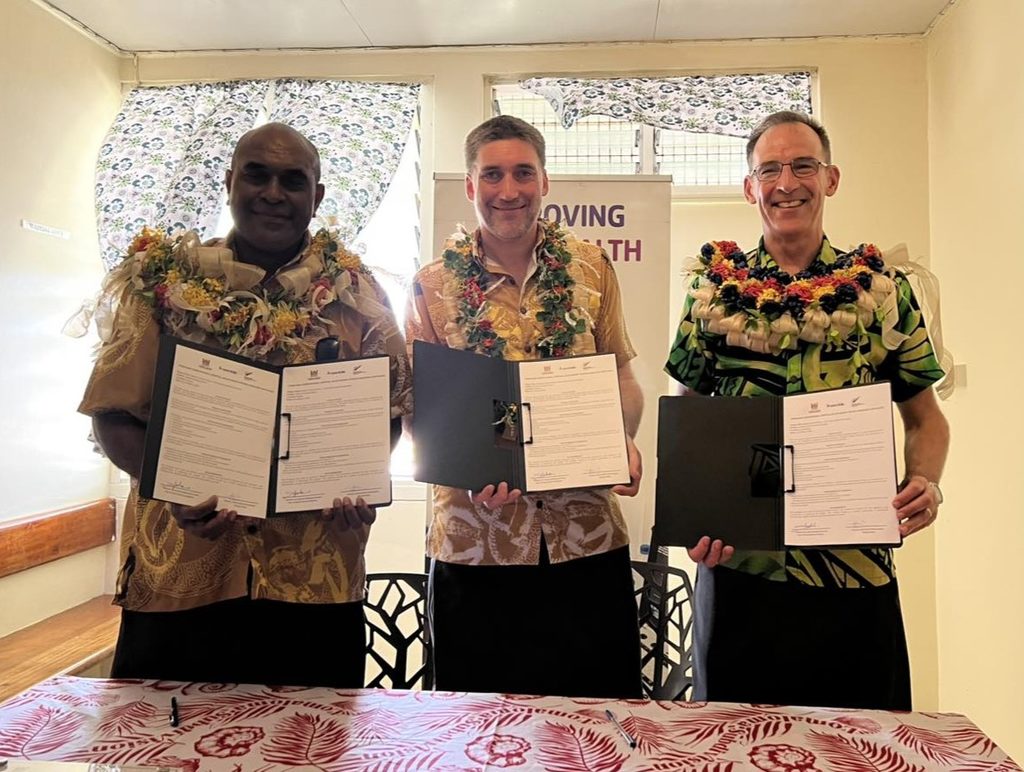
(Left to right) Minister for Health Dr Ratu Atonio Lalabalavu, Cure Kids Director Fiji and Pacific Partnerships, Nicolas Tillon and NZ High Commissioner to Fiji, Greg Andrew’s holding signed documents of the solar commissioning for the newly 4 solarised sites. Picture: SUPPLIED
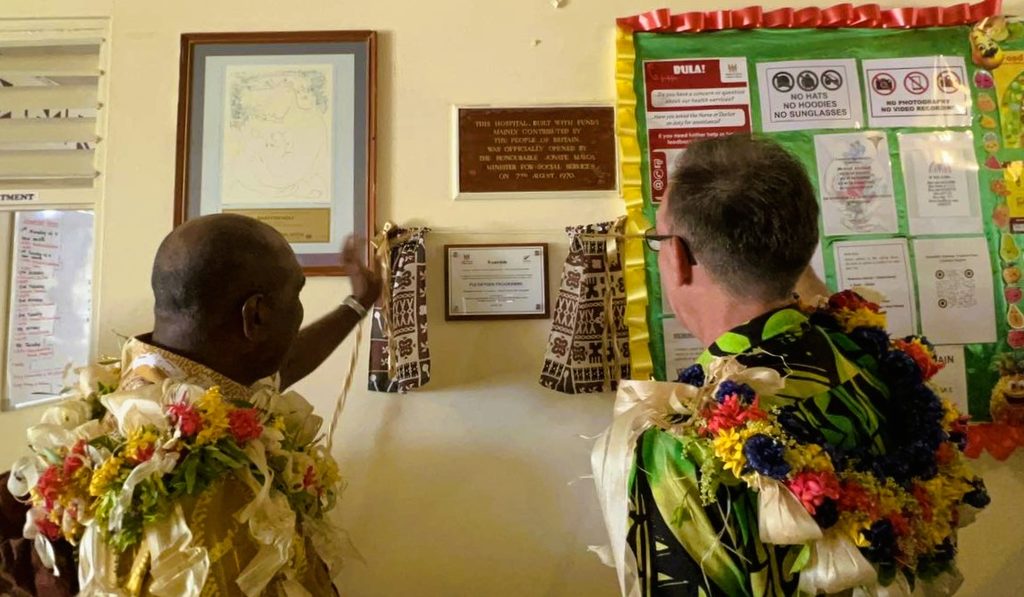
Dr Lalabalavu and Mr Andrews unveil the plaque. Picture: SUPPLIED
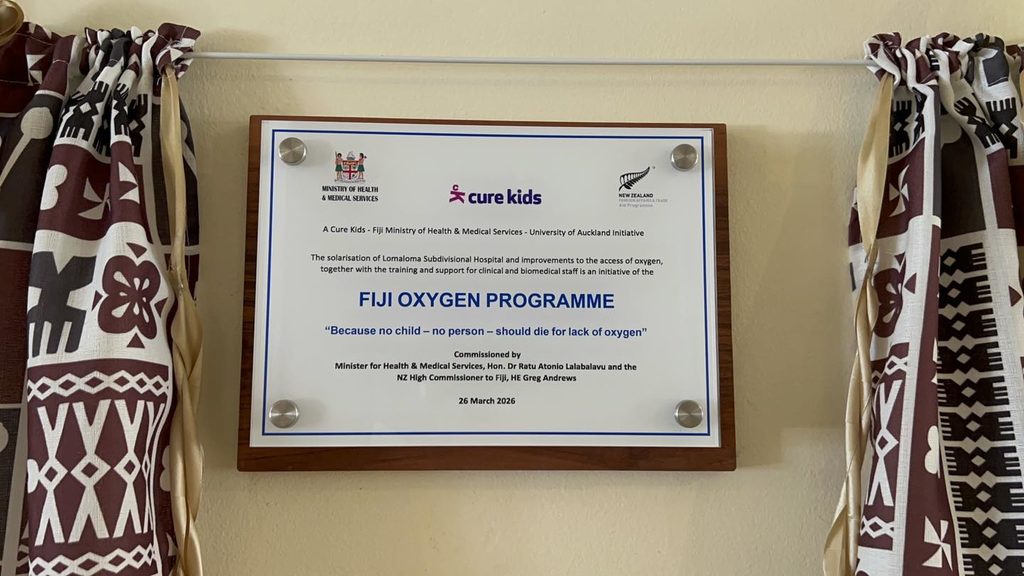
The commemoration plaque for the solar project. Picture: SUPPLIED
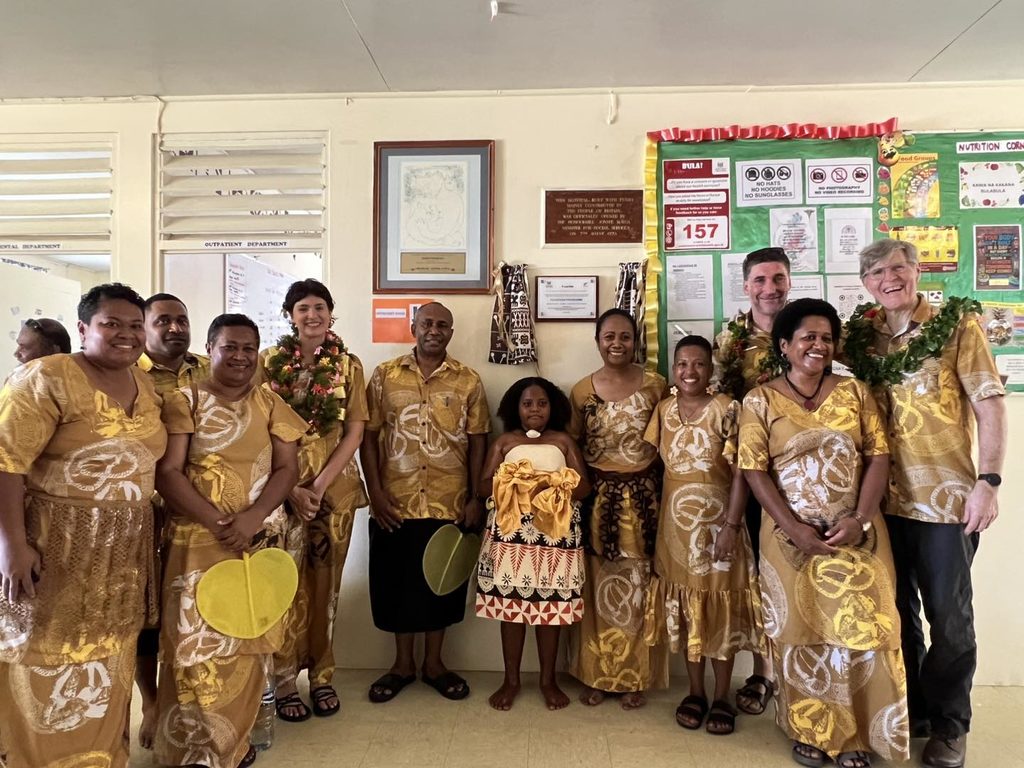
Members of Cure Kids, the MHMS Oxygen Programme after the unveiling at the Lomaloma subdivisional hospital. Picture: SUPPLIED

