
PARTIES can be fun and full of moments worth endearing, but the aftermath of staying up late and consuming too much alcohol can be hard to bear.
Yes, I am talking about hangovers – drinkers’ version of the “morning after”.
Loosely translated, hangover is the effect of drinking on the physical body, normally experienced after the cessation of drinking.
This includes headaches, the feeling of nausea and stomach upset, among other side effects.
Physicians will advise you that the best cures include resting to let your system recover from exhaustion, consuming water to rehydrate your body, and eating good food to replenish the essential vitamins you lost overnight.
The hangover is at its worst in the morning after a heavy drinking and you may feel: exhausted and weak, thirsty, nausea, dizzy, headaches and muscle pain.
Various factors may contribute to a hangover. For example:
· Alcohol causes your body to produce more urine. In turn, urinating more than usual can lead to dehydration — often indicated by thirst, dizziness and light headedness.
· Alcohol triggers an inflammatory response from your immune system. Your immune system may trigger certain agents that commonly produce physical symptoms, such as an inability to concentrate, memory problems, decreased appetite and loss of interest in usual activities.
· Alcohol irritates the lining of your stomach. Alcohol increases the production of stomach acid and delays stomach emptying. Any of these factors can cause abdominal pain, nausea or vomiting.
· Alcohol can cause your blood sugar to fall. If your blood sugar dips too low, you may experience fatigue, weakness, shakiness, mood disturbances and even seizures.
· Alcohol causes your blood vessels to expand, which can lead to headaches.
· Alcohol can make you sleepy, but it prevents deeper stages of sleep and often causes awakening in the middle of the night. This may leave you groggy and tired.
(For more info: www.mayoclinic.org)
But many party revellers will claim they know the best cures after a night of binging on Fiji Gold, Rum and Cola or other RTDs.
Since we are in early January and knowing that NY celebrations will continue in many homes, some of these home remedies might be of good use. Below are popular alternative cures for hangovers which you might already know.
Noodles with lemon and chillies.
This may work because drinking causes dehydration and something with lots of fluid can help replace lost salts and water.
Vitamin C in lemon can also help revitalise the body while chillies can boost metabolism. If there is no lemon available, use vinegar or pick me up sauce.
TIP: Clears Nasal Congestion
Chillies not only alleviate pain but also relieve congestion. Its fiery heat stimulates secretions that aid in clearing mucus from stuffy nose. Capsaicin in chillies has antibacterial properties that combat against chronic sinus infection.
The bright red colour of chili peppers indicates its high pro-vitamin A or beta-carotene content. Vitamin A is vital in keeping a healthy respiratory tract, intestinal tract, and urinary tract. Vitamin A is also known as the anti-infection vitamin and serves as the first line of defence against infections.
Chicken and Egg Soup.
Chicken is almost everyone’s favourite meat whether consumed as luncheon, pizza topping or spicy curry.
But with a few vegetable cuts thrown in with it, chicken soup becomes one of the best things on the menu to deal with hangovers. Alternatively, you can eggs instead of chicken.
To preserve nutrients, ensure vegetables are not overcooked.
TIP: Lowers Obesity Risk
Some studies suggest that soup consumption is linked with lower obesity risk. Research interventions studying how people lose weight have found that eating soup can help control body weight.
A recent study in the British Journal of Nutrition found that soup eaters tend to weigh less and have smaller waists than those who don’t eat soup.
Researchers found that soup consumers also had better overall eating habits that included more protein, fibre, vitamins and minerals, and fewer calories and fat.
Coca Cola
The benefit of this fizzy beverage is often overlooked. Some use it to clean tiles, some during grog drinking sessions while others even use it to marinate meat during barbecue parties.
Some people use coke to help sooth a troubled stomach.
A fizzy drink may help you burp and when you do, it gets rid of bloating and that gassy feeling in the stomach caused my drinking.
TIP: Ease Digestion
Scientists and doctors have found that one of the best treatments for gastric phytobezoar, a condition where a person has difficulty with food moving through their digestive tract and suffers stomach blockages, is a glass of Coca-Cola.
The high acidity in the fizzy drink acts like gastric acid and can ease severe abdominal pain, break down the blockages and get things moving again.
As the caffeine enters your blood stream, it can spark increased concentration and mental focus, so if your attention levels are dipping, a mouthful or two of Coke could get you back up to speed.
Fresh Fruit juice
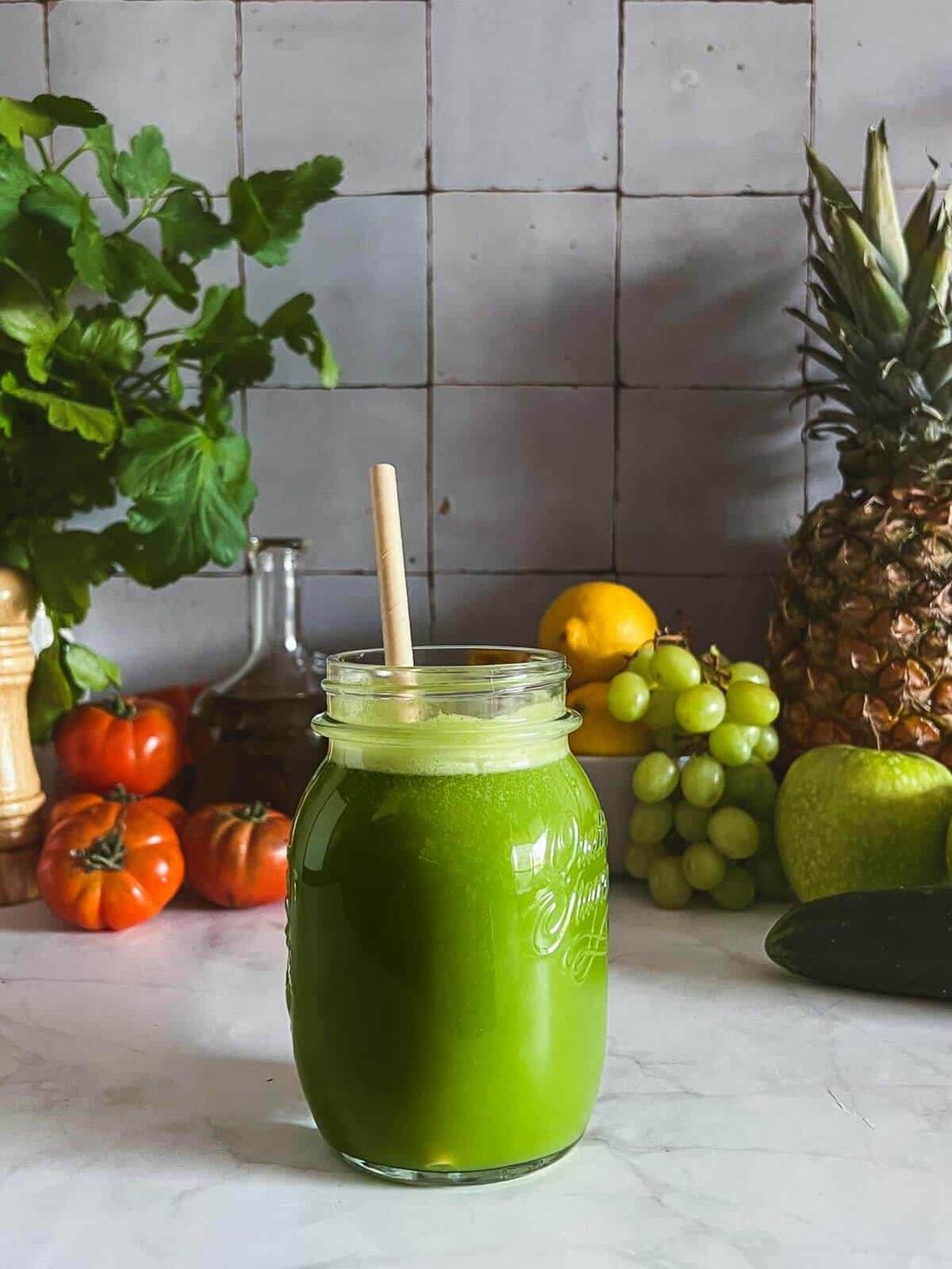
Drinking fresh juice loaded with vitamins is one of the best hangover “pick-me-ups”. These is readily accessible at this time of the year, when fruits are plentiful in the market, especially mangoes, pineapples and watermelon.
If you have a blender at home, make use of the variety of fruits in season and create pulpy juices that are not only tasty but nutritional as well.
TIP: Good For Health
Fruit juices contain a range of minerals, vitamins and bioactive compounds, such as phytochemicals, that are important for good health.
Guidelines for a healthy, balanced diet typically recommend plenty of fruits and vegetables are required to supply our vitamin and mineral needs.
Consumption of fruit juices in moderate amounts (around 150-200ml per day) and as part of a balanced diet can help you achieve recommended potassium intake levels and support the maintenance of normal blood pressure.
Ice-Block
Dehydration caused by drinking can leave the mouth and throat dry. Over smoking can cause a slight sore throat.
Sucking on an ice block can moisten the mouth and bring a sooth cool feeling.
It also helps cool the body down and gives me relief from an upset stomach.
TIP: Cooling and Soothing
Ice Blocks can contribute to cooling of the body and supply the body with needed fluid.
People who suffer from nausea might benefit from chewing ice flavoured ice. MedlinePlus, a service of the U.S. National Library of Medicine, recommends flavoured ice cubes to cancer patients who experience nausea and vomiting.
For example, frozen ice cubes made of low-sugar apple or grape juice provide healthy nutrients and might help soothe an upset stomach. Other suggestions include sipping liquids slowly or through a straw, and avoiding hot foods.
Factors that may make a hangover more likely or severe include:
· Drinking on an empty stomach. Having no food in your stomach speeds the body’s absorption of alcohol.
· Using other drugs, such as nicotine, along with alcohol. Smoking combined with drinking appears to increase the likelihood of next-day misery.
· Not sleeping well or long enough after drinking. Some researchers believe that some hangover symptoms are often due, at least in part, to the poor-quality and short sleep cycle that typically follows a night of drinking.
· Having a family history of alcoholism. Having close relatives with a history of alcoholism may suggest an inherited problem with the way your body processes alcohol.
· Drinking darker colored alcoholic beverages. Darker colored drinks often contain a high volume of congeners and may be more likely to produce a hangover.
(For more info on hangover: www.mayoclinic.org/)

