
The Fijian Competition and Consumer Commission (FCCC) says it is closely monitoring escalating tensions around the Strait of Hormuz, warning that disruptions could lead to higher fuel prices in Fiji.
The situation follows recent military strikes involving the United States, Israel and Iran, which have heightened uncertainty around the narrow waterway between Iran and Oman.
About one-fifth of the world’s oil and gas supply — roughly 20 million barrels per day — passes through the Strait of Hormuz.
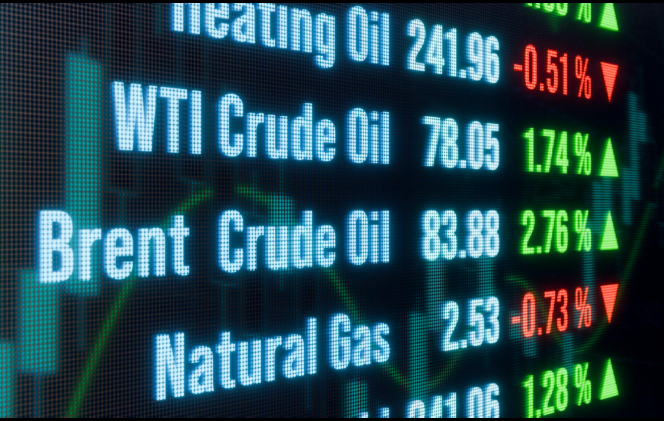
While the strait has not been officially closed, tanker movements have reportedly slowed, with vessels anchoring amid security warnings. The uncertainty has already contributed to rising global oil prices.
FCCC Chief Executive Officer Senikavika L Jiuta said Fiji, as a price taker in global markets, would inevitably feel the effects if disruptions persist.
“With Fiji being a price taker, it is inevitable that there will be an impact, especially on fuel prices,” Ms Jiuta said.
She noted that Fiji imports all of its fuel, which makes up about 16 per cent of total imports. As a result, when global oil prices increase, local fuel and LPG prices typically follow within a month due to Fiji’s pricing lag mechanism.
The FCCC outlined several possible scenarios.
A short disruption lasting less than two weeks could see temporary price increases before markets stabilise.
A medium disruption of one to three months could result in sustained higher prices for fuel, food and goods.
A full closure of the strait could push oil prices as high as USD $150–200 per barrel, triggering significant global inflation.
The Commission warned that higher oil prices would likely affect transport and logistics costs, food and grocery prices, electricity generation, tourism and household expenses — with lower-income families most vulnerable.
Consumers are being encouraged to plan ahead by reducing unnecessary travel, budgeting for potential price increases and monitoring official FCCC updates as the situation develops.
The advisory is based on the March 2026 Market Advisory and Price Forecast, with the FCCC stressing that global market conditions remain fluid and subject to rapid change.

