
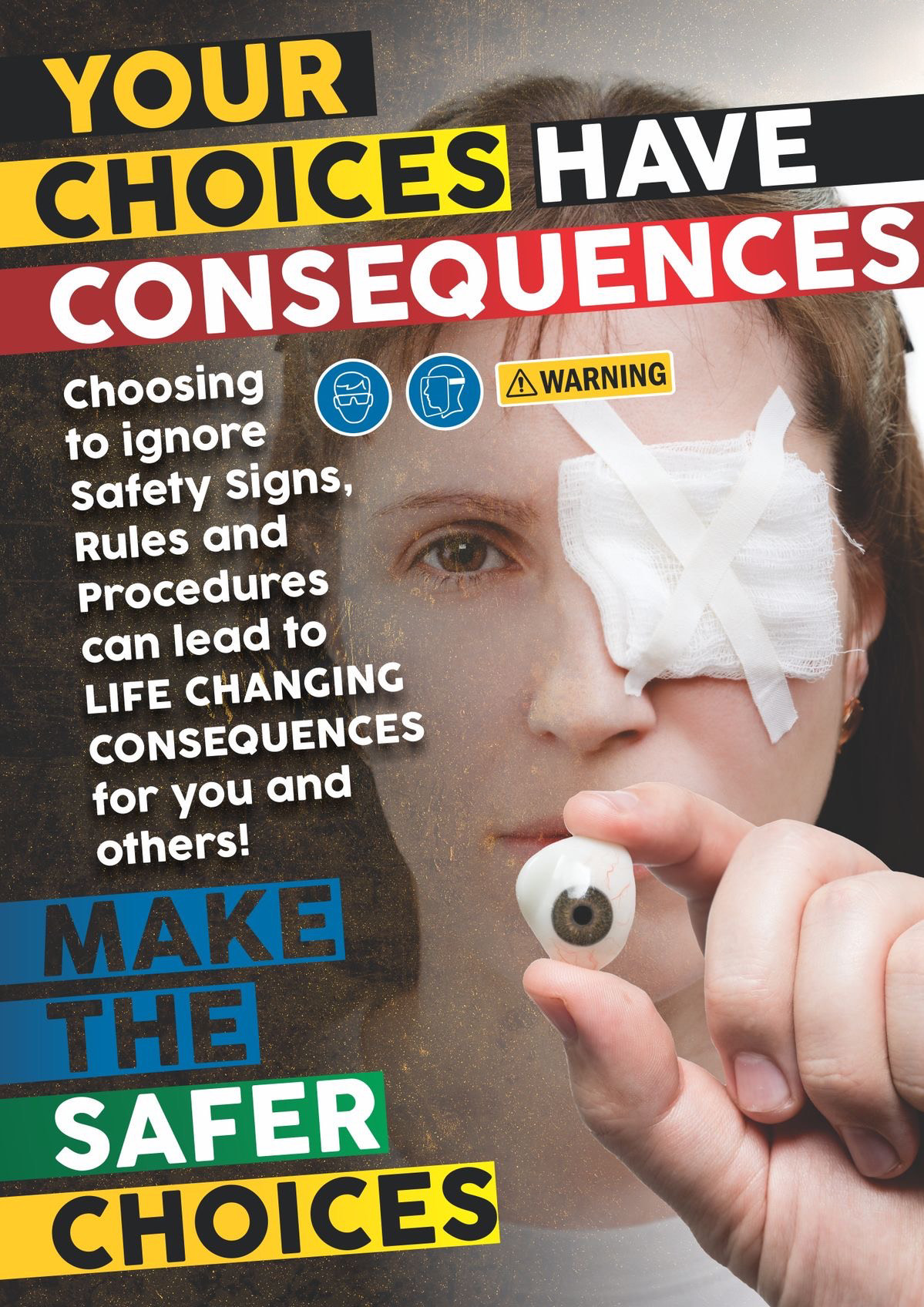
OUR eyes are among the most delicate and vital organs we possess, yet they are often the least protected.
Every day in Fiji, people go about their work in fields, workshops, construction sites, and kitchens without realising how easily a moment of carelessness can lead to serious eye injuries or even permanent vision loss. Whether on the job or at home, taking simple precautions can make a lasting difference in preserving good vision.
The overlooked risk:
According to the Ministry of Health and Medical Services, eye injuries remain a common reason for emergency visits in Fiji.
Workers in agriculture, construction, and manufacturing are particularly at risk. However, many eye accidents also occur in the home from cooking oil splashes, cleaning chemicals, or even small children playing with sharp objects.
Workplace dangers:
In Fiji’s tropical climate, many people work outdoors or in environments where dust, debris, and chemicals are common.
Farmers risk eye irritation from fertilizer sprays or flying particles during land clearing. Construction workers face hazards from cement dust, welding sparks, and metal fragments. Even in office environments, prolonged computer use can cause digital eye strain, leading to discomfort, headaches, and blurred vision.
Protective eyewear, such as safety goggles or face shields, is one of the simplest and most effective ways to prevent workplace eye injuries.
Yet, many workers fail to use them, often due to lack of awareness, discomfort, or the perception that the risk is minimal. Employers have a responsibility to provide proper protective equipment and training. But workers also have to take ownership of their own safety. A single accident can affect not only their ability to work but their entire quality of life.
Home hazards often Ignored:
At home, eye injuries can happen just as easily. Hot oil, cleaning solutions, or small projectiles from mowing or using power tools can cause serious harm.
Even something as simple as rubbing your eyes with dirty hands can lead to infections like conjunctivitis. For children, curiosity and playtime often present risks. Sharp toys, pencils, or rubber bands can easily cause eye trauma.
Home cooks should take care to avoid oil splashes by using lids and keeping a safe distance from hot pans.
When using household cleaners or bleach, always read the label and avoid mixing chemicals.
Wearing glasses or sunglasses while gardening or mowing the lawn can prevent flying debris from entering the eyes.
Parents are also urged to keep small objects and sharp tools out of children’s reach. Eye injuries in children can have lifelong consequences. Supervision and simple preventive steps can save a child’s sight.
First aid for eye injuries:
If an eye injury occurs, the most important rule is not to rub or apply pressure to the eye. Rubbing can worsen the damage. Instead, gently rinse the eye with clean water or saline if a foreign object or chemical is involved.
Cover the eye with a clean cloth or eye shield and seek medical attention immediately. For chemical burns, it is crucial to rinse the eye continuously with clean water for at least 15 minutes before heading to the hospital.
Delays can result in permanent scarring or blindness. Fiji’s main hospitals including the Colonial War Memorial Hospital in Suva, Lautoka Hospital, and Labasa Hospital all have eye clinics equipped to handle emergencies.
Technology and eye strain:
Not all eye risks come from physical injury. In today’s digital world, many Fijians spend hours each day on phones, tablets, or computers.
This can lead to digital eye strain, dry eyes, and headaches. To protect your eyes, follow the 20-20-20 rule: every 20 minutes, look at something 20 feet away for at least 20 seconds.
Adjust screen brightness, keep screens at arm’s length, and ensure adequate lighting.
For children, limiting screen time and encouraging outdoor play is also crucial for healthy eye development. Studies have shown that spending time outdoors can reduce the risk of developing myopia (short-sightedness).
Building a culture of eye safety:
Creating a culture of eye safety requires more than just equipment it requires awareness. Community outreach and workplace safety programs can make a big difference. The Ministry of Health, along with organisations such as the Pacific Eye Institute and the Fred Hollows Foundation, have been working to provide education, screenings, and eye care across Fiji’s islands.
Regular eye check-ups are also vital. Adults should have their eyes examined at least once every two years, or more often if they work in high-risk environments or have conditions like diabetes or hypertension, which can affect vision.
Prevention is always better and cheaper than cure.
Protecting your eyes doesn’t require expensive measures. Just being cautious and wearing protective gear can save your eye sight.
Seeing the future clearly:
As Fiji continues to develop, eye health should remain a key part of the nation’s broader public health and safety strategy.
From the cane fields of Vanua Levu to the bustling workshops of Suva, every worker and family deserves to live and work without fear of losing their sight to preventable injuries.
In a country blessed with natural beauty, protecting our ability to see that beauty clearly and safely is something every Fijian should take to heart.

