
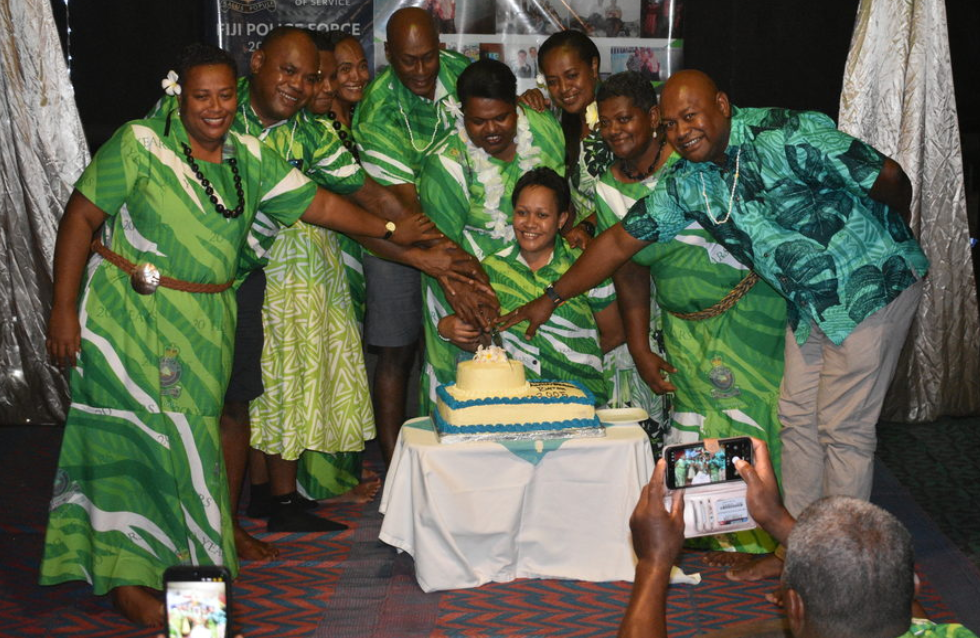
LAST weekend, the beautiful and serene Nanuya Resort played host to a formidable force. Not a tactical unit, but the slightly creakier, significantly more sentimental reunion of the Fiji Police Academy’s Class of 2005.
For three days, the air was filled not with orders, but with laughter, stories, and the unmistakable sound of old knees protesting during spontaneous re-enactments and social gatherings held to commemorate the class’s 20th anniversary celebrations.
The official festivities kicked off on Friday with a special dinner. A cake, meticulously iced with the Police emblem, was cut not with a ceremonial sword, but with a knife held together by all the batches who were present at the reunion.
As senior cop, Pauliasi Lutunauga noted, “Back then, the only thing we were cutting was lecture time to nap. Look at us now, cutting cakes and talking cholesterol.”
Saturday shifted gear from nostalgia to service. The batch traded resort wear for work clothes, descending upon Malakati Village for a community clean-up.
The sight of corporals and sergeants hauling rubbish and raking leaves was a testament to how far they’d come.
“Eighteen years ago, we were the ones being marched around for a messy bunk,” laughed Mr Lutunauga.
“Now we’re voluntarily cleaning a village. The Commandant would be proud, or suspicious.”
The service continued with a community awareness session on drugs, sexual offences, assault, and alcohol consumption.
Delivering the talk was Mr Lutunauga and other personnel who were part of the reunion, who shared about one of his strangest arrests, which occurred at a time when he was heavily doped by yaqona.
Ah, the stories. They flowed as freely as the refreshments. There was the legendary tale of the “Terror Trio,” a group of girls who, bored with barracks life, executed a daring midnight escape to a Suva nightclub, only to be marched, glitter still on their cheeks, before an apoplectic Commandant the next day.
“We told him we were on a covert reconnaissance mission,” one of them, now a respected senior woman constable, giggled. “He didn’t buy it.”
As a recruit myself, my most treasured academy memory is, of course, my debut. Day one. First parade.
The drill instructor barked, “LEFT TURN!” My brain, a masterpiece of confusion, sent a telegram to my feet that read, “Do the thing with the other one!” I executed a move that was part pirouette, part collapsing deckchair.
In the echoing silence that followed, the instructor’s voice sliced through the humidity: “Recruit! Your timing is so wrong, you are in a different century! Call your soul back, it has left the parade ground!”
So I did. I had to shout, at the top of my lungs, “Yaloqu lesu mai!” to the raucous, choked-back laughter of seventy other recruits. My spirit, presumably embarrassed, slunk back.
My cop career, however, never really recovered. I lasted five years before trading my handcuffs for a journalist’s notepad, and eventually, a media specialist’s headset. Less shouting at souls, more spinning narratives.
But the bonds forged in that peculiar fire of shared failure are immortal. Which is how two decades later, we found ourselves converging on the Nanuya Island Resort in the Yasawas. Not a haunted barracks in sight—just turquoise water and the gentle sight of paradise.
We are a patchwork of careers now. Senior inspectors, sergeants, corporals, etc even teachers, lawyers and journalists, ranks and jobs that we dreamed to one day earn through hard work.
Personally, this one felt special as it brought us closer to Sergeant Sulueti Nasila, the Post Officer at Nacula, who looks after the islands that make up the Yasawa Group.
She said, “You have no idea how thankful I am that our batch came all this way. My heart is full.”
We proposed a toast for her. We toasted to the poor souls (present company included) who’d been marched in front of the Commandant for sneaking back into barracks after a night of clubbing, still in their dress shoes, smelling of regret and cheap cologne.
We were the mis-timed, the clubbers, the soul-losers. And through those glorious, humiliating experiences, we had, against all odds, become better people. Kinder cops, more patient parents, and in my case, a journalist who knows that behind every stiff uniform is a human being capable of spectacular, hilarious error.
Boarding the boat back to Viti Levu on Sunday, sunburnt and sore from laughter, the shared sentiment was one of profound gratitude.
The challenges of the job – the long hours, the dangers, the bureaucratic headaches – were acknowledged but overshadowed by the bond forged in 2005.
As for my comrades, they returned to their stations across the islands, not just as officers of the law, but as keepers of a shared, hilarious, and deeply formative history.
The spirit of the batch of 2005, it seems, had finally been called back to ground – and it was firmly rooted in friendship.
n LUKE RAWALAI is a former policeman and The Fiji Times journalist. He is now the media liaison officer at the Ministry of Health and Medical Services.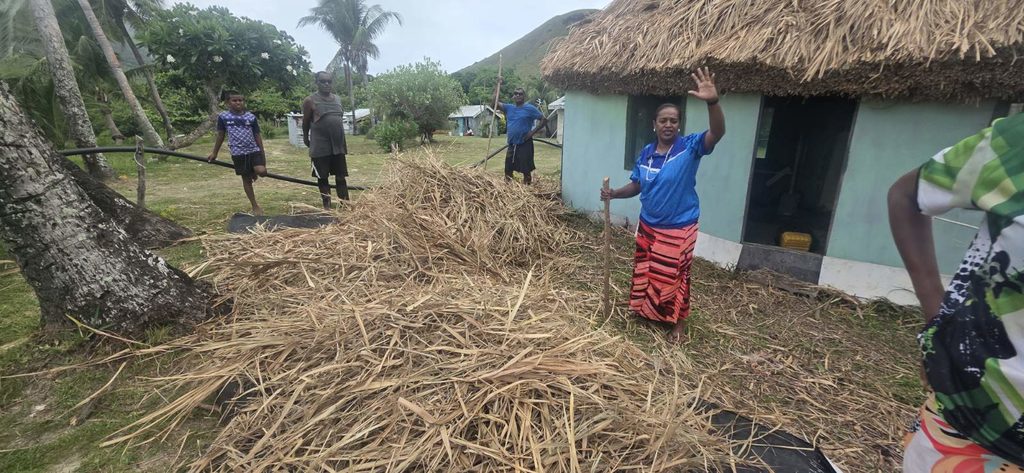
Lavenia Bisi in action during the community cleanup at Malakati village. Picture LUKE RAWALAI
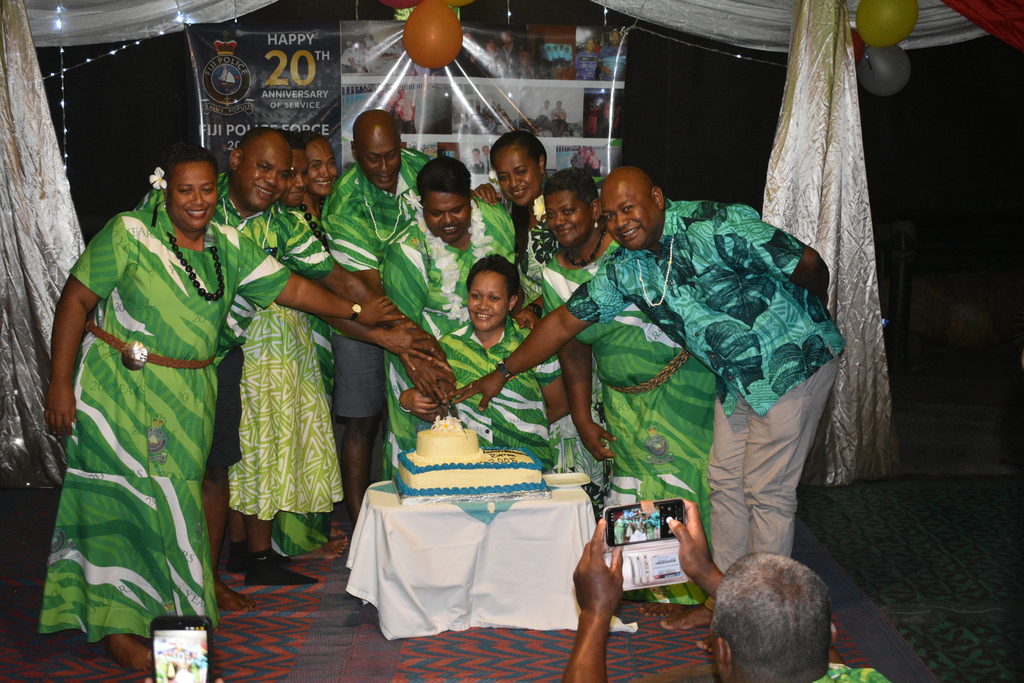
Members of the 1st Batch — 2005 cut a remembrance cake to commemorate their 20th anniversary of service to the Fiji Police Force. Picture: LUKE RAWALAI
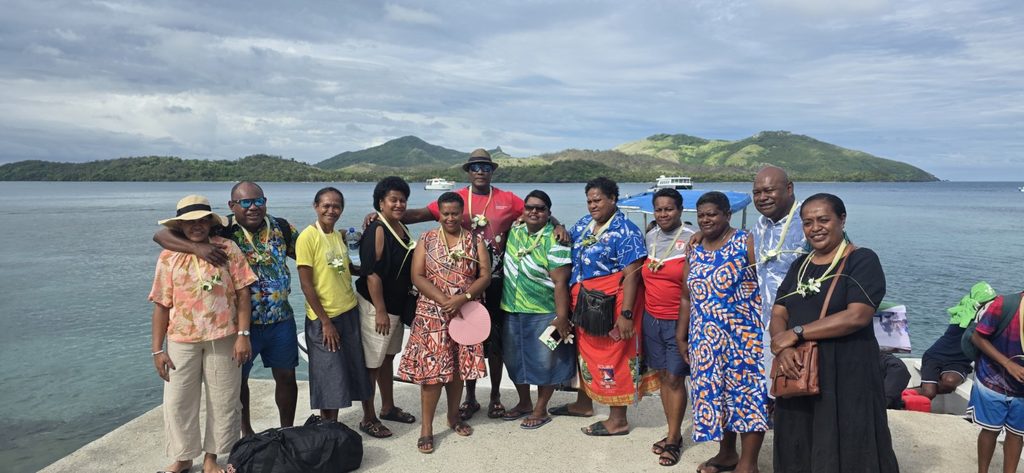
Farewells are always hard but everything good must come to an end. Members of the first Batch of 2005 prepare to leave Nnauya Resort after the reunion.
Picture LUKE RAWALAI.
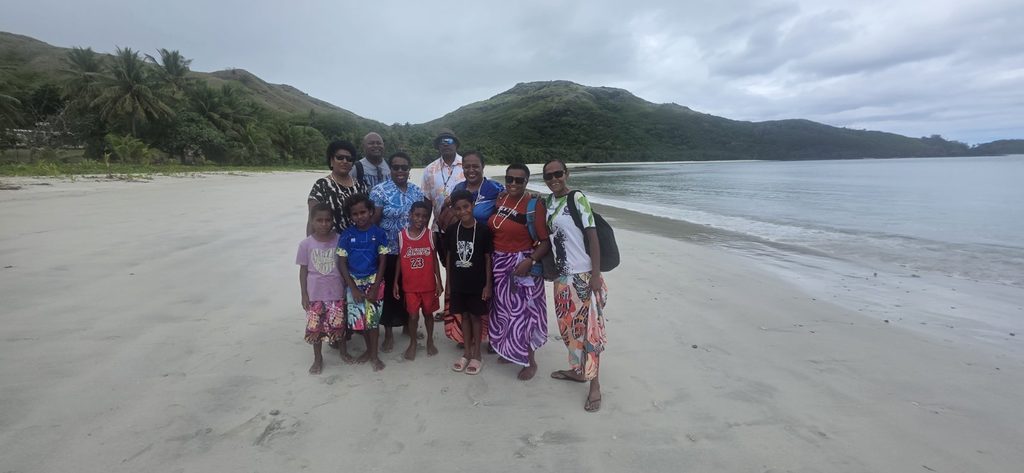
On the lovely beach at Malakati
village in the Yasawas. Picture: LUKE RAWALAI

