Within humanity’s control: Ocean with David AttenboroughTHE lights dimmed in a cinema as families, community members, government representatives, civil society leaders and ocean advocates gathered for a special World Oceans Day screening of Ocean with David Attenborough.
What unfolded on screen was more than a documentary.
It was a reminder of the Pacific’s deep relationship with the ocean. It is a call to action for its protection and a message of hope that recovery is still possible.
The screening, supported by the Minderoo Foundation Australia and organised through Artesano Productions in partnership with the Office of the Pacific Ocean Commissioner and the Pacific Islands Forum, was part of a wider regional initiative.
For Sarah Beard of Artesano Productions Australia, the significance of the event extended far beyond the cinema walls.
“This World Oceans Day, we supported Ocean screenings across Fiji, Samoa and French Polynesia,” Beard said.
“On a day that celebrates all that the ocean has given us, we were honoured to have these three events happening simultaneously across the Pacific, as a moment of unity at a time when our Blue Continent displays strong ocean leadership.”
A personal connection to the Pacific
For Beard, the event also carried a personal connection.
Born in Suva and raised in nearby Lami, she understood the central place the ocean holds in the lives of Pacific Islanders.
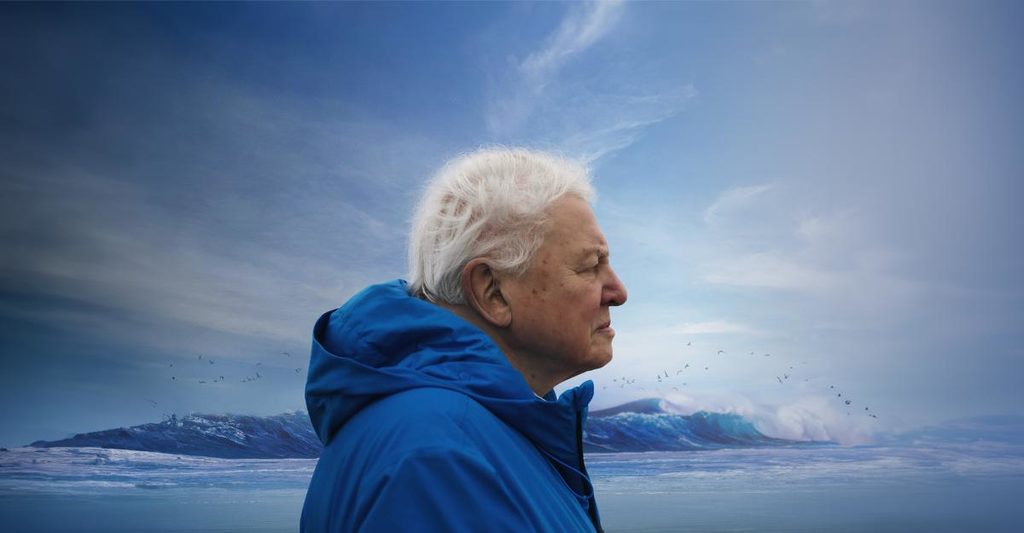
The film itself takes audiences through coral reefs, kelp forests and the open ocean, revealing both the extraordinary beauty of marine ecosystems and the growing threats they face.
At its centre is renowned broadcaster and natural historian Sir David Attenborough, who recently celebrated his 100th birthday after spending more than seven decades documenting the natural world.
“We wanted to share the film with Pacific Islanders in Suva,” Beard said.
“Bringing together families, local communities, decision-makers, Government and civil society to see this incredible film together.”
Why the screening matters now
The screening came at a critical moment.
Across the Pacific, communities have depended on the ocean for thousands of years. Yet marine ecosystems now face mounting pressure from climate change, pollution, overfishing and ocean acidification.
“The future of the ocean is at a critical inflection point,” Beard said.
“The science is telling us, with greater urgency than ever before, that ocean ecosystems are under unprecedented stress.”
Yet the event was not designed to leave audiences feeling overwhelmed. Instead, organisers hoped it would inspire conversations about solutions and strengthen support for Pacific-led ocean protection efforts.
A message of hope
According to Beard, one of the film’s most powerful messages is that the future of the ocean remains within humanity’s control.
The documentary opens with Attenborough’s reflection: “After living for nearly a hundred years on this planet, I now understand that the most important place on Earth is not on land, but at sea.”
For Beard, that message resonates strongly in the Pacific.
“Whilst marine ecosystems including coral reefs, seamounts and our coastal shores face immense pressure, the ocean is not lost, not yet,” she said.
“We have solutions available to us to ensure that the marine life, and our communities who depend on our ocean, can continue doing so for generations.”
She said the film demonstrates that conservation and fisheries management are not competing goals.
“This film shows us that the goals of fisheries and conservation are the same, more fish, more abundance, a healthier ocean for the future of our people and our planet.”
Most importantly, she said, the film offers hope.
“It does not leave you in despair. It shows you what is still here, what is still worth fighting for, and crucially, what ocean recovery looks like when we give nature the chance to heal.”
The Pacific leading the conversation
The screening also reflected a broader story about Pacific leadership.
For decades, Pacific nations have championed ocean issues on the global stage. The concept of the Blue Pacific, the idea that Pacific countries are large ocean states rather than small island nations, has reshaped international discussions about identity and stewardship.
“The Pacific is leading the world in global ocean advocacy,” Beard said.
She noted that the screening connects with regional initiatives such as the Pacific Oceanscape, commitments made through United Nations Ocean Conferences and ongoing efforts to ensure Pacific voices are central to global ocean governance.
“We want this event to feed into that momentum, to remind people that conservation is not an abstract policy conversation. It begins with people being moved to care.”
That message was echoed in a pre-recorded address by Pacific Ocean Commissioner Dr Filimon Manoni, shown during the screening.
“For us in the Pacific, the ocean is our home,” he said.
“It connects us and shaped who we are.”
Turning inspiration into action
The event also introduced audiences to the “Pacific Islanders for Healthy and Flourishing Oceans” Pledge, an initiative designed to transform inspiration into action.
Beard described the pledge as a call to active citizenship.
“I find when audiences see the film, they are so moved and feel compelled to take action, no matter how small,” she said.
“This enables them to take immediate action.”
The pledge was intentionally designed to be inclusive and accessible.
“We wanted to create something accessible to everyone, not just policymakers, scientists, or activists,” Beard said.
“Whether they are a fisherman, a student, a teacher, elder or a diaspora Pacific Islander living in Sydney or Los Angeles, this pledge is for Pacific Islanders.”
Facing the challenges ahead
As discussions turned to the future, Beard spoke candidly about the threats facing the Pacific Ocean.
“The biggest threat facing the Pacific Ocean today is us, humans,” she said.
“But we can also be its greatest hope.”
She pointed to climate change, coral bleaching, ocean acidification, overfishing, plastic pollution and the emerging threat of deep-sea mining as interconnected challenges requiring collective action.
Yet despite these concerns, she remains optimistic.
“What gives me hope is the Pacific people themselves,” Beard said.
She has witnessed communities re-establish traditional fishing restrictions, coral reefs recovering within protected areas and young Pacific researchers taking their message to global audiences.
“These are not small things,” she said.
“The ocean has an extraordinary capacity to recover when we remove the pressures that are harming it. Nature wants to heal.”
For those gathered in Suva on World Oceans Day, the screening was more than a celebration of the sea.
It was a reminder that the Pacific’s future is inseparable from the health of its waters and that every act of stewardship, no matter how small, contributes to a larger tide of change.
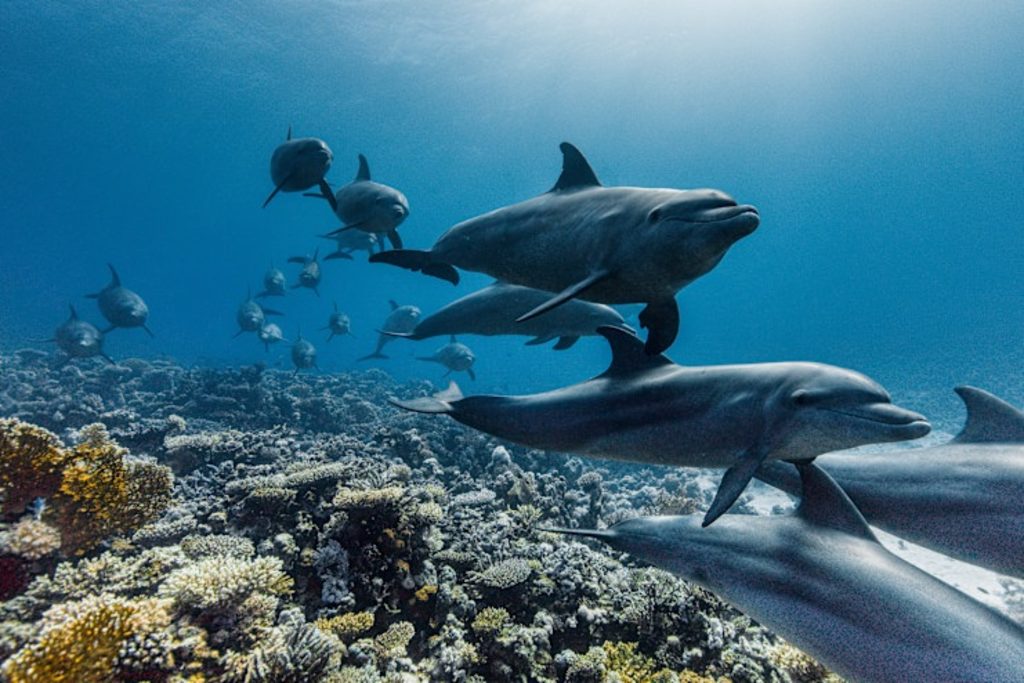
The film itself takes audiences through coral reefs, kelp forests and the open ocean, revealing both the extraordinary beauty of marine ecosystems and the growing threats they face. Picture: NATIONAL GEOGRAPHIC SOCIETY NEWSROOM
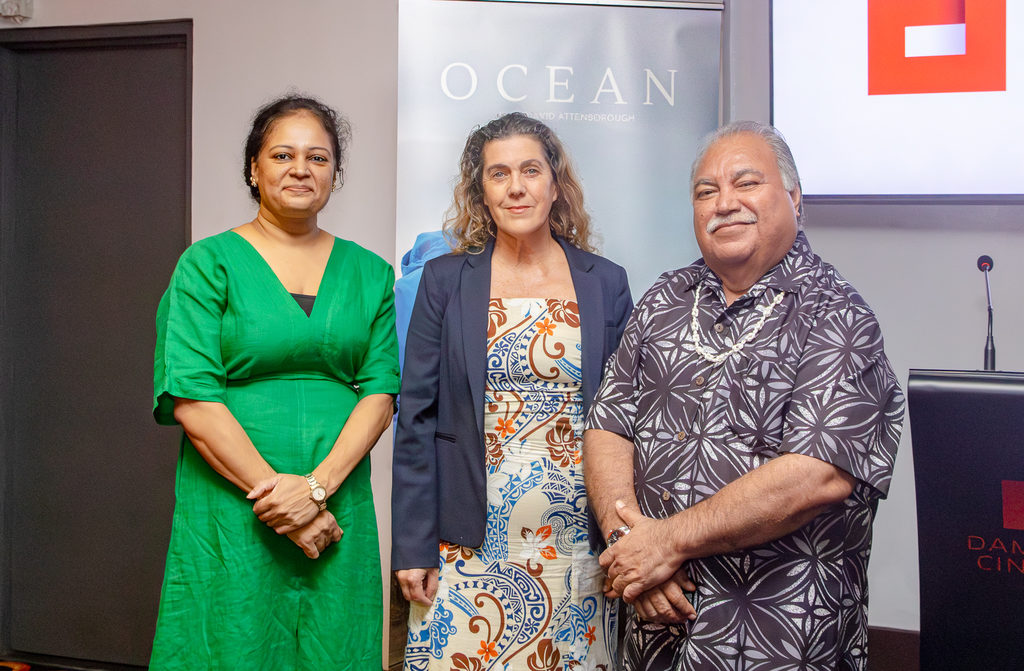
Secretary General of Pacific Islands Development Forum, Arpana Pratap (from left), Sarah Beard and the Secretary General of the Pacific Islands Forum (PIF), Baron Waqa at the screening of Ocean. Picture: ACME PHOTOGRAPHY FIJI/ SUPPLIED