
The revelation that nine women have been killed in domestic violence incidents so far this year is alarming. The figure, revealed by the Fiji Women’s Crisis Centre (FWCC), is a measure of the danger women and girls continue to face in their homes and communities. What compounds the concern is the FWCC’s report of a growing number of survivors seeking help, a sign that the violence is not only persistent but escalating.
The centre believes the country remains in a dangerously unsafe space for women and girls.
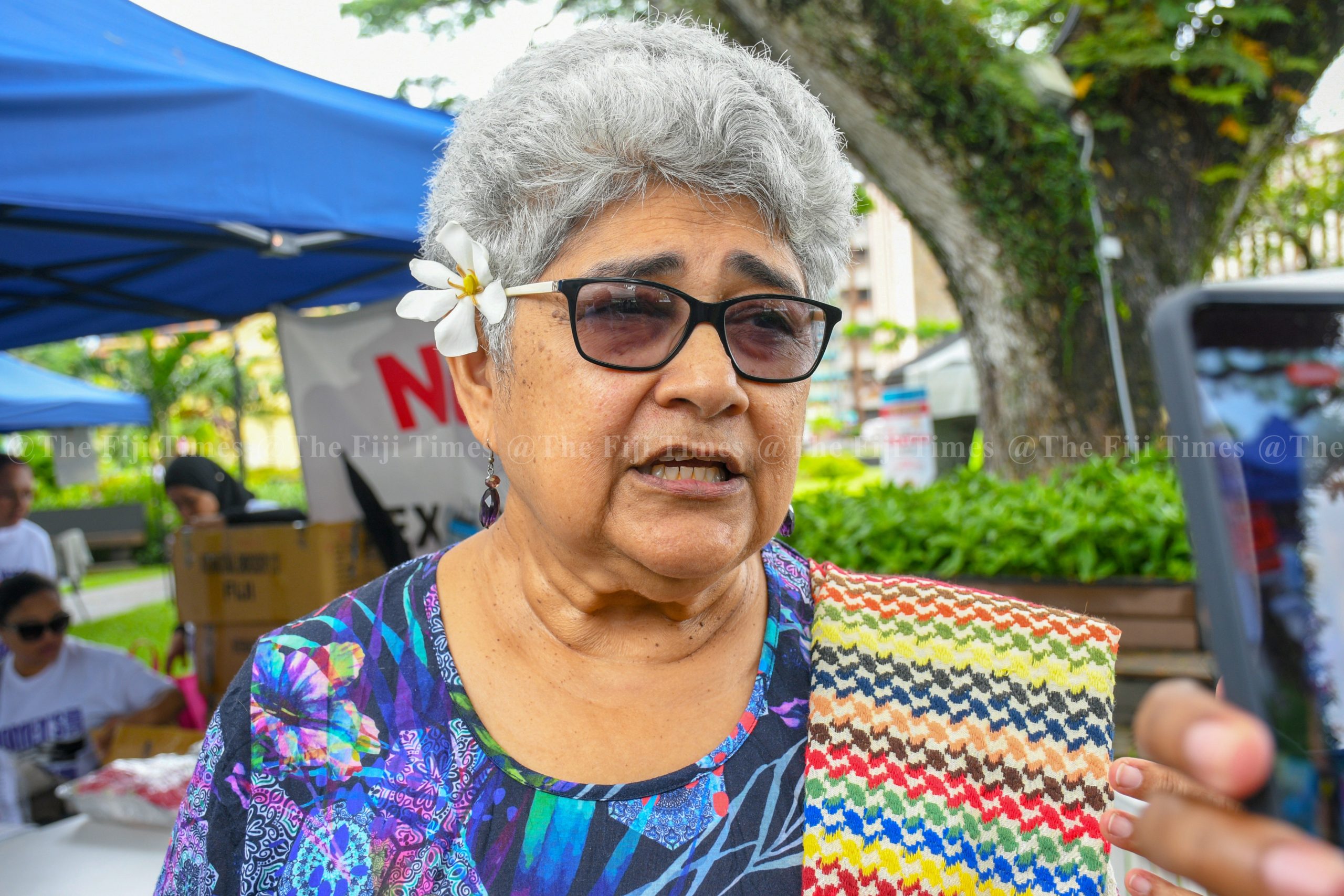
FWCC coordinator Shamima Ali highlighted that nine people have died in domestic violence situations to date, a number that, by any measure, is unacceptable.
“It tells us the urgency of the issue,” she said during the 16 Days of Activism march in Suva.
She linked the rise in violence to worsening social conditions. “Our numbers are increasing, and we are also looking at the drug issue, which is exacerbating the violence. Climate change is another factor, and the general misogyny in society, especially on social media, is becoming very toxic.”
One of the most disturbing concerns Ms Ali raised is the freedom with which perpetrators continue to reoffend.
“The main reason is the impunity with which perpetrators are committing violence on women, girls, and children. Policing is very, very poor and very bad. Women don’t get justice.”
She also criticised domestic violence sentencing in our courts. Women, she said, continue to be placed at risk because “we send them back into violent homes”. Survivors still face major gaps in protection, access to services, and pathways to safety.
The call from the FWCC is clear. It is no longer enough to talk about violence; we must take tangible, sustained action to prevent it.
The campaign during these 16 days of activism aims to push the nation into “action and implementation”. And that message could not be more timely.
Over the next two weeks, we hope more people will reflect on the vital role women and girls play in our homes, workplaces, communities, and national development. We hope people will understand the value of their contributions and the necessity of their safety. Their right to live freely, without fear, must be a standard we all uphold.
We talk a lot about domestic violence. We talk a lot about human rights, equality, and the need for courage in doing what is right. Yet, nine women have died this year because those words were not enough to protect them. We may not know their stories or the moments leading up to their deaths. But we do know that they deserved better from their families, from their communities, from the systems meant to shield them, and from us as a society.
Their deaths should stir within us a deeper resolve to protect the women and girls around us.
It should encourage us to reach out, to talk, to listen, and to recognise when someone may be in trouble. Sometimes the lifeline someone needs begins with an attentive ear, a moment of compassion, or a willingness to intervene.
In the rush of daily life, it can be easy to overlook signs of distress. But we must be more intentional. We must foster environments where victims feel safe to seek help and where bystanders feel empowered to act. Ultimately, ending domestic violence requires collective courage. That means the courage to stop hurting each other, to challenge harmful attitudes, and to insist on accountability!

