
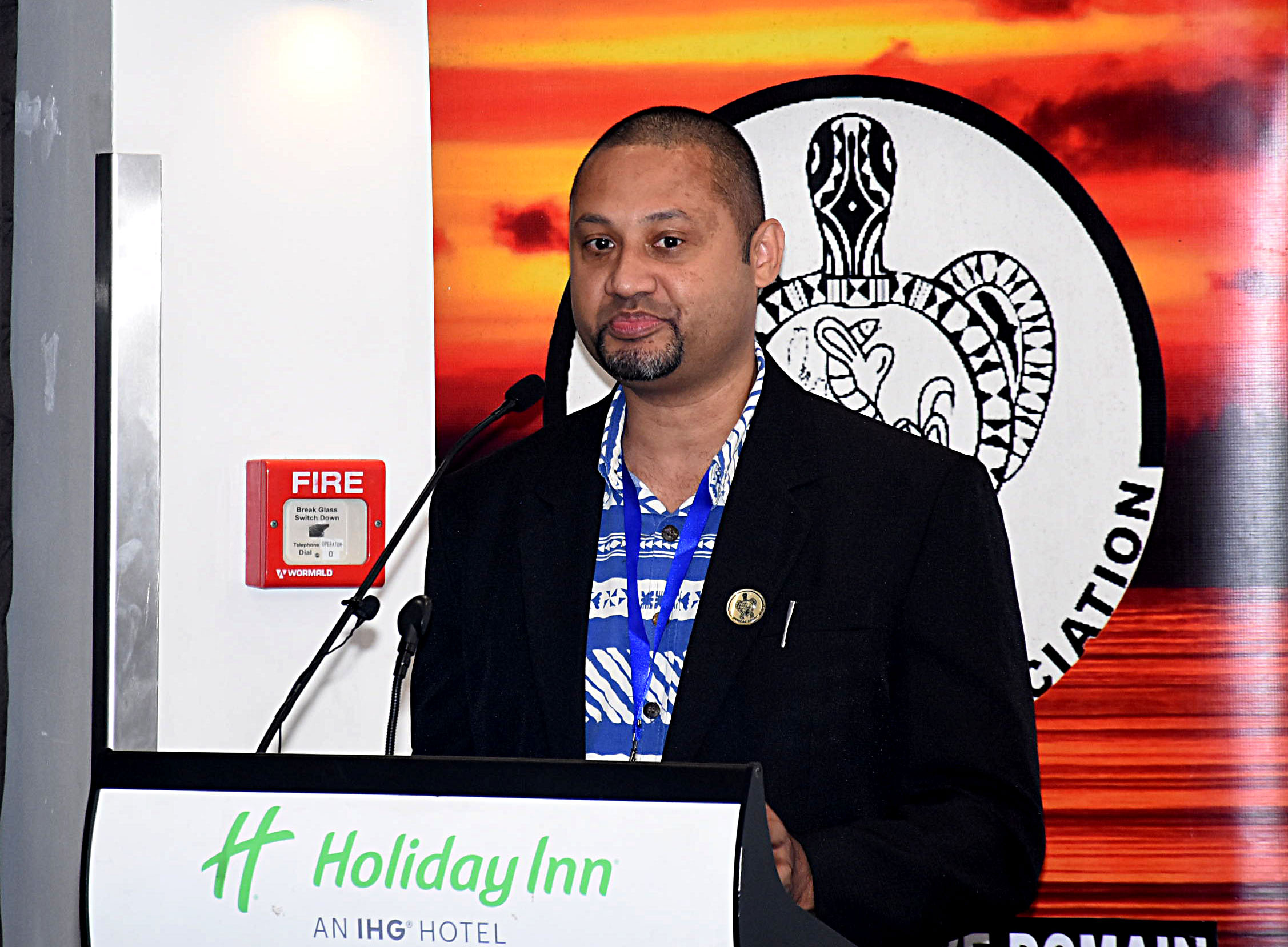
The Fiji Medical Association (FMA) has made some pretty strong comments about the state of the Colonial War Memorial Hospital in Suva.
It has described the ongoing service disruptions at the hospital as a disturbing outcome of long-standing infrastructure decay and funding shortfalls.
That assessment is fair, and once again lifts the lid on the serious challenges facing our main referral hospital.
FMA president Dr Alipate Vakamocea says the disruptions are having a devastating impact on staff and patients, especially where critical services are concerned.
He was responding to an announcement by the Ministry of Health and Medical Services (MHMS) that water leaking through the hospital’s ceiling would interrupt services in the Special Outpatients Department, the phlebotomy room, echocardiography services at the Cardiac Catheterization Laboratory, operating theatres and support areas, as well as the Medical Bay waiting area.
Dr Vakamocea pointed out that this section of the hospital caters to some of the country’s most vulnerable and seriously ill patients, and said it was troubling that such essential areas were being compromised by infrastructure failures.
He highlighted systemic inefficiencies within government, arguing that bureaucratic processes continue to hamper effective healthcare delivery. The FMA, he noted, has maintained that rigid administrative systems do not always align with the urgent and dynamic needs of medical services.
According to Dr Vakamocea, the ministry received less funding than it had sought in the 2025–2026 National Budget, forcing tough operational choices. Among them was the need to tighten expenditure, including limits on overtime payments.
He warned that if these constraints persist, the closure of key services such as radiology could become more common across the country, with flow-on effects for laboratories, pharmacies and allied health units.
External partners, NGOs and development agencies have been encouraged to assist in addressing infrastructure deficiencies, while stronger leadership within the ministry has been urged to drive meaningful reform and long-term improvements to our healthcare system.
We all know the challenges facing CWMH. We know the condition of the buildings. We know the strain under which staff operate. And we know that major work is required. In fact, we have known this for decades. Yet, for years, little meaningful progress was made to address the inevitable need for large-scale redevelopment.
Think about it. We cannot simply close CWMH and upgrade it at the same time.
What happens to the patients currently occupying its wards? Where do we transfer those in the children’s ward, the oncology unit, maternity, intensive care, and even the paying ward? They would all need alternative facilities before any major reconstruction could begin.
And what of the sick who arrive daily? When the time comes to shut down sections of CWMH, where do general outpatients go? What about accident victims, critically ill patients, expectant mothers, and those battling cancer? Emergencies will not pause while we renovate. Illness will not wait for scaffolding to come down.
CWMH also serves patients from across the region, making its uninterrupted operation even more crucial. Have we fully considered how long it would take to relocate every patient, and how long rebuilding or renovation would realistically take?
These are necessary questions.
We may choose not to dwell on why serious long-term planning did not begin many years ago, or who was responsible for anticipating the hospital’s decline. But accountability matters. Planning for the future of our main hospital should never have been an afterthought.
What matters now is decisive, transparent and strategic action.
The health of our people depends on it. CWMH cannot be allowed to limp from one crisis to the next. It is the heart of our public health system. If it fails, we all feel the consequences.
This is the moment for leadership, collaboration and urgency.

