
Heavy rain on Sunday night in the Central Division triggered widespread flash floods in low-lying areas, leaving families counting significant financial losses and exposing once again the vulnerability of our national infrastructure.
Roads in and around the Capital City, and along the busy Suva–Nausori corridor, were quickly submerged as motorists crawled through rising waters, desperate to make their way home.
Visibility was poor as sheets of rain pelted windscreens, and the floodwaters made navigation difficult.
Residents of Lami, Nabua, and Nasinu were among the hardest hit, with many describing the deluge as the worst they had experienced in three decades.
The speed at which floodwaters rose put lives at risk. Some families were forced to abandon their homes, while others called on the National Fire Authority for assistance to move elderly relatives and children to higher ground.
As the Nadi Weather Office warned yesterday, the threat is far from over. A heavy rain alert remains in effect for the Northern Division as well as the Lau and Lomaiviti groups, with a slow-moving trough of low pressure lingering over the country.
With such warnings in place, we look up to the authorities to demonstrate preparedness and decisive action.
What became evident on Sunday night was the condition of our drainage systems. Drains were clogged with debris, forcing rainwater to spill across major roads. Some motorists pulled over with hazard lights blinking, waiting helplessly for water levels to recede. These scenes unfold predictably every rainy season, yet they continue to catch communities off guard.
Now that we are well into the cyclone season, which runs from November to April, the question is: are we ready? Preparedness must include more than weather bulletins. It must involve active management of waterways, regular clearing of drains, and community awareness that keeping the environment clean is a shared responsibility.
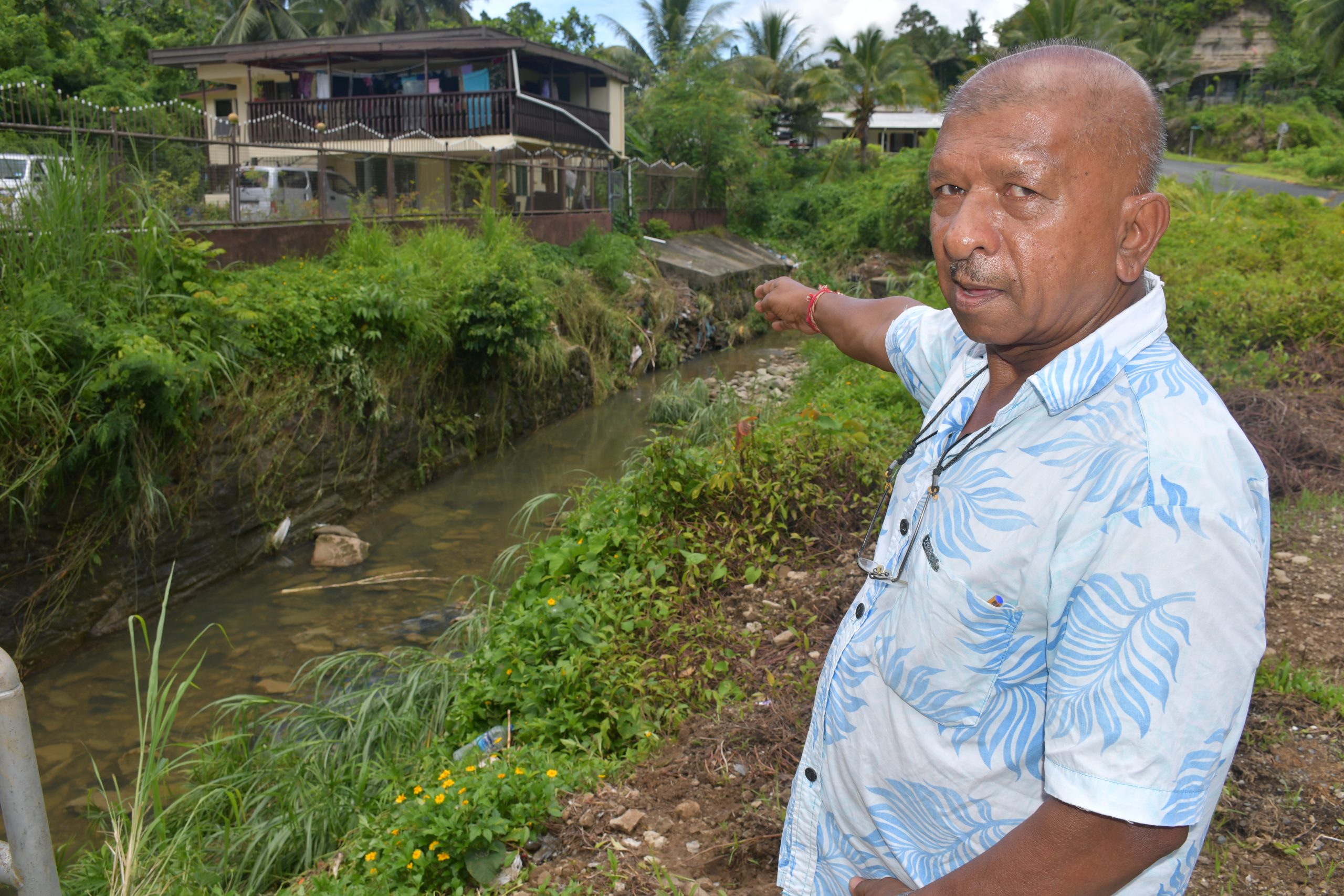
Unfortunately, this message still fails to reach some. Just outside Lami yesterday, residents were seen dumping their rubbish directly into the river. The irony is glaring: people clearing debris from their homes, only to tip it into the very waterways that overflow and threaten those same homes during heavy rain. Bottles, plastics, and assorted waste were carted in wheelbarrows and dumped into the river without a second thought. And then we wonder why drains clog.
We wonder why roads flood every time the skies open.
The truth is our rivers, creeks, and drainage systems are choking because of what we put into them. Responsibility must be drilled into communities that careless disposal of rubbish has consequences, and those consequences are now unfolding with uncomfortable regularity.
Shouldn’t we be concerned about where our rubbish ends up? Shouldn’t we care about how discarded plastic and household waste eventually find their way into drains, streams, and the open sea? Shouldn’t we ask ourselves why our neighbourhoods flood repeatedly, even after modest bursts of rain?
While individual behaviour must change, the authorities also have a duty to act now. Clearing drains and waterways cannot remain a last-minute scramble whenever a weather alert is issued. It must be systematic, planned, and monitored. If we continue to treat flooding as an unavoidable act of nature, rather than a problem we contribute to and can mitigate, then scenes like Sunday night will become our new normal.
In the end, the floods were not just a result of heavy rain. They were a reminder. A reminder that preparedness is cheaper than recovery, that environmental responsibility begins at home, and that complacency carries a cost.

