
“Get out of Vatia!”
It was a cry that came straight from the heart! That was raw and emotional. There was no diplomacy, no attempt to soften the message. It was direct and unapologetic. There was frustration and anger.
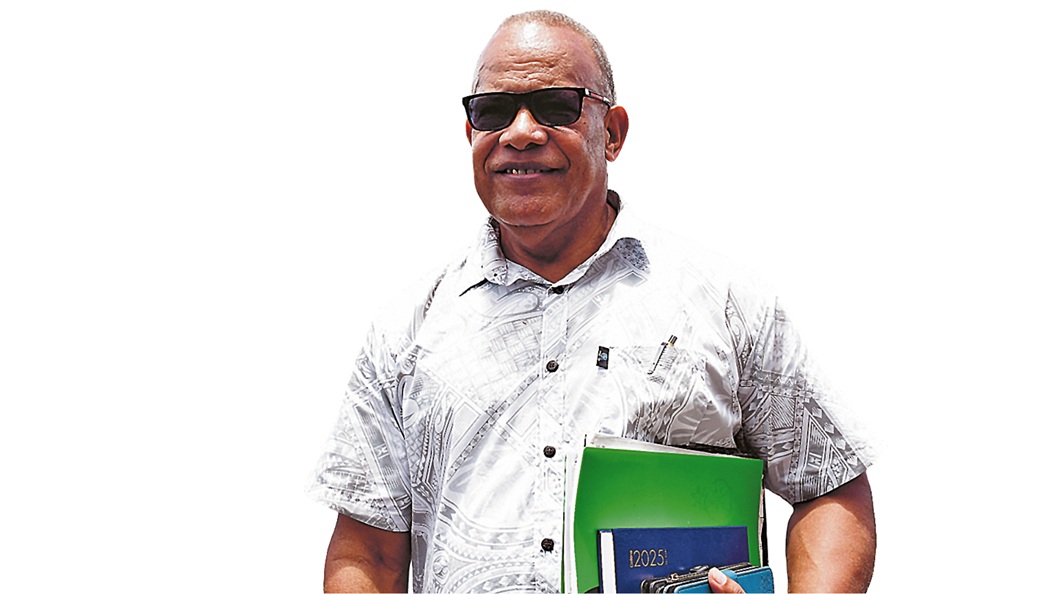
The words were those of former Criminal Investigation Department officer and Tavualevu landowner Tevita Ralulu.
His message to drug lords was simple. Stop using Vatia Wharf to smuggle illicit drugs into Fiji and, in the process, disgrace traditional land.
“What I want is for these drug dealers and foreigners who are sending drugs through Vatia not to use this wharf because it is on traditional land,” Mr Ralulu said.
For the landowners, this is more than a law enforcement issue. It is personal. It strikes at their identity, their heritage and their reputation.
Mr Ralulu spoke of humiliation and sadness at the steady stream of headlines linking Vatia to major drug busts, particularly at a time when the area is preparing for a large-scale development with a foreign investor.
“We are really embarrassed and sad to see almost every day the Vatia drug bust is in the news. As landowners we are embarrassed. We are about to start this development and it’s a big development. We don’t want anything like this happening near our land,” he said.
His frustration is understandable. Communities that are trying to build legitimate economic opportunities should not have to battle the stigma of being associated with international drug trafficking.
Investment and development thrive on trust, stability and a good name. Constant links to multi-tonne cocaine seizures undermine that foundation.
Mr Ralulu has urged drug dealers to take their operations elsewhere. “Find another place to go and deal your drugs. Don’t use Vatia Wharf,” he said.
He also revealed that he had alerted police after noticing suspicious yachts anchored near an uninhabited island close to the wharf.
That reflects a community unwilling to stand by silently. Yet he went further, alleging that some officers were working with drug lords and challenging those involved to choose whether they wanted to be police officers or criminals.
Such claims are serious and should be treated as such. Public confidence in law enforcement is critical in the fight against drugs. The moment that confidence is shaken, criminal networks gain ground.
Mr Ralulu’s concerns come in the wake of the arrest and court appearance of five foreign nationals and six Fijians following the seizure of more than 2.6 tonnes of cocaine near Vatia Wharf on January 16 by a special police taskforce. The scale of that haul alone highlights the magnitude of the challenge.
Vatutavui Village headman Niko Sucuvakaivalu echoed the concerns, noting that suspicious yachts have been berthing offshore for years.
The Vatia drug bust has clearly surfaced deep anger and frustration within the community. But anger alone will not solve the problem.
The illicit drug trade is sophisticated, well-funded and transnational. We say confronting it will not be a walk in the park.
What is required is a genuine whole-of-community approach. Law enforcement must be properly resourced, vigilant and accountable. Communities must remain alert and willing to report suspicious activity.
We face a choice. We can allow criminal networks to define parts of our coastline and tarnish our national reputation, or we can stand together to reclaim them.

