The revelation that Fiji is bracing for a possible economic shock from the escalating Iran-US and Israel conflict is a major concern.
We now know Government is already cutting spending, freezing recruitment and preparing for deeper austerity measures amid fears over rising fuel prices, weakening tourism and falling revenue.
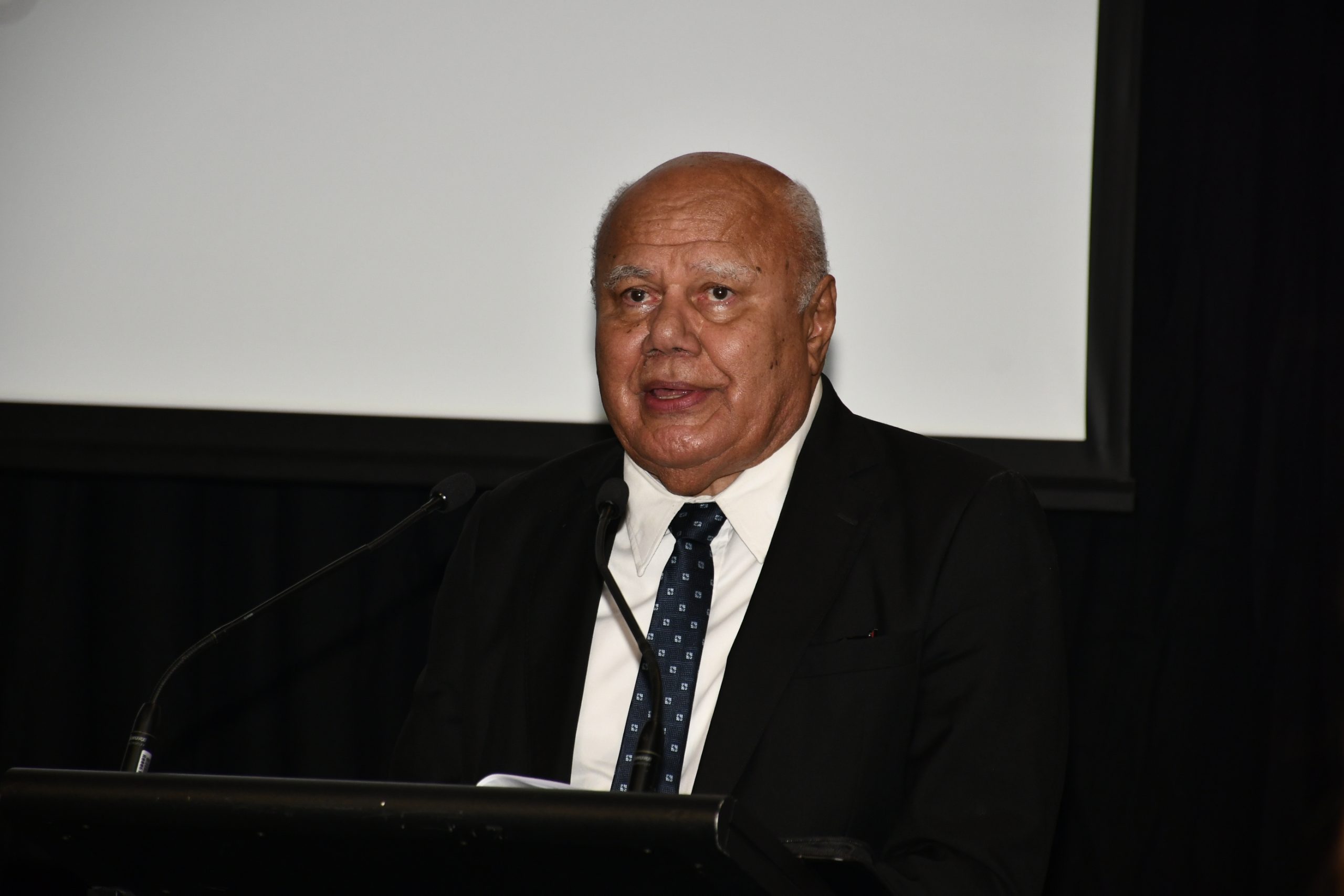
The warning came from Minister for Finance Esrom Immanuel in Parliament this week as he highlighted the risks facing our fragile, tourism-driven economy because of mounting global instability linked to the conflict.
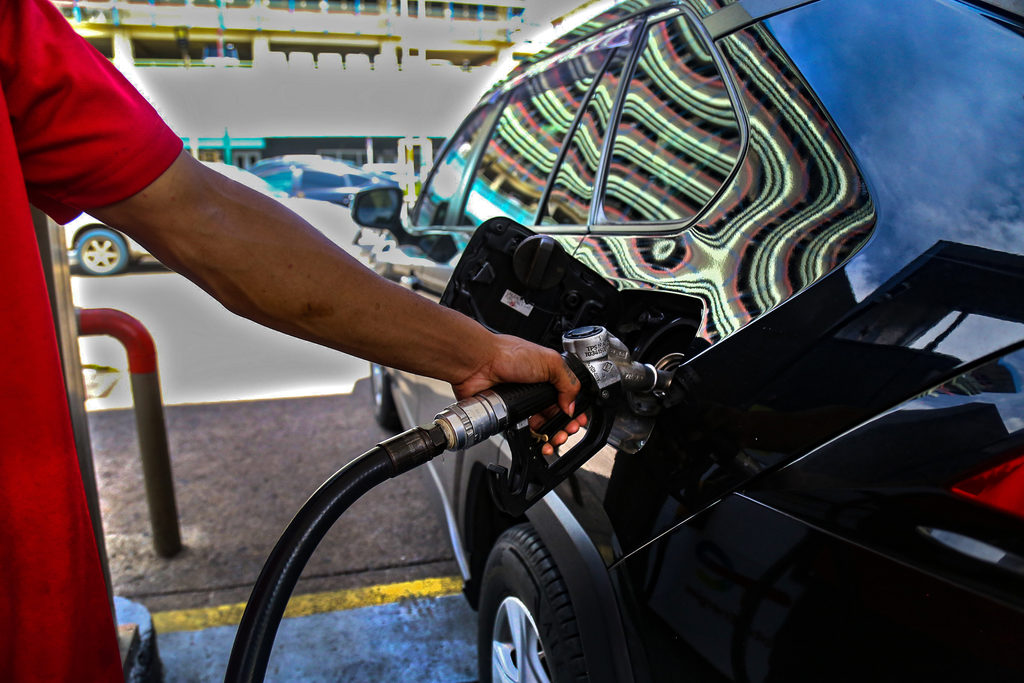
According to the minister, any escalation in tensions could drive global fuel prices even higher, disrupt international travel demand and place additional pressure on import and transportation costs. He warned that economic growth was expected to slow, with our outlook becoming increasingly uncertain as global instability, high living costs and weaker investment activity take their toll.
While Government revenue remains above forecast, with collections reaching $2.9 billion by April, some $71.5 million ahead of expectations, austerity measures are already being rolled out to prepare for a possible downturn. These include salary reductions for ministers and Members of Parliament, a freeze on civil service recruitment, tighter controls on Government vehicle use and cuts to travel, workshops and operational spending.
The message from Government is, if conditions worsen, painful decisions may follow, and leaders will be expected to shoulder part of the burden.
Government is also stepping up tax enforcement, tightening customs monitoring and seeking support from international lenders as it races to shield Fiji from a worsening global crisis.
We have always said Fiji is not immune to the troubles of the world. The challenge before us now is how we sustain ourselves in the face of growing uncertainty. That means strengthening the basics, food security, job security and peace of mind for families.
We survived COVID-19 because we stood together and adapted. We showed resilience then, and we will need that same spirit again. There is some relief. Power rationing has been deferred for now. Assistance continues through bus fare subsidies and social welfare support, while authorities work on measures to ease pressure on households. But the harsh reality is this, if the conflict intensifies and drags on, fuel supply disruptions and rising global oil prices will hit us hard. That affects electricity generation, transport costs, businesses and every household budget.
In the face of this, frustration will continue over the monopoly hold Energy Fiji Limited has on the nation’s power supply. This crisis once again exposes the urgent need to diversify our energy sector and accelerate investment in alternative energy sources such as solar, hydro, wind and biomass.
As a nation, we must think beyond short-term survival. We must encourage backyard farming, reduce dependence on imports, conserve energy and support local industries wherever possible.
Difficult times demand unity, discipline and collective sacrifice.