
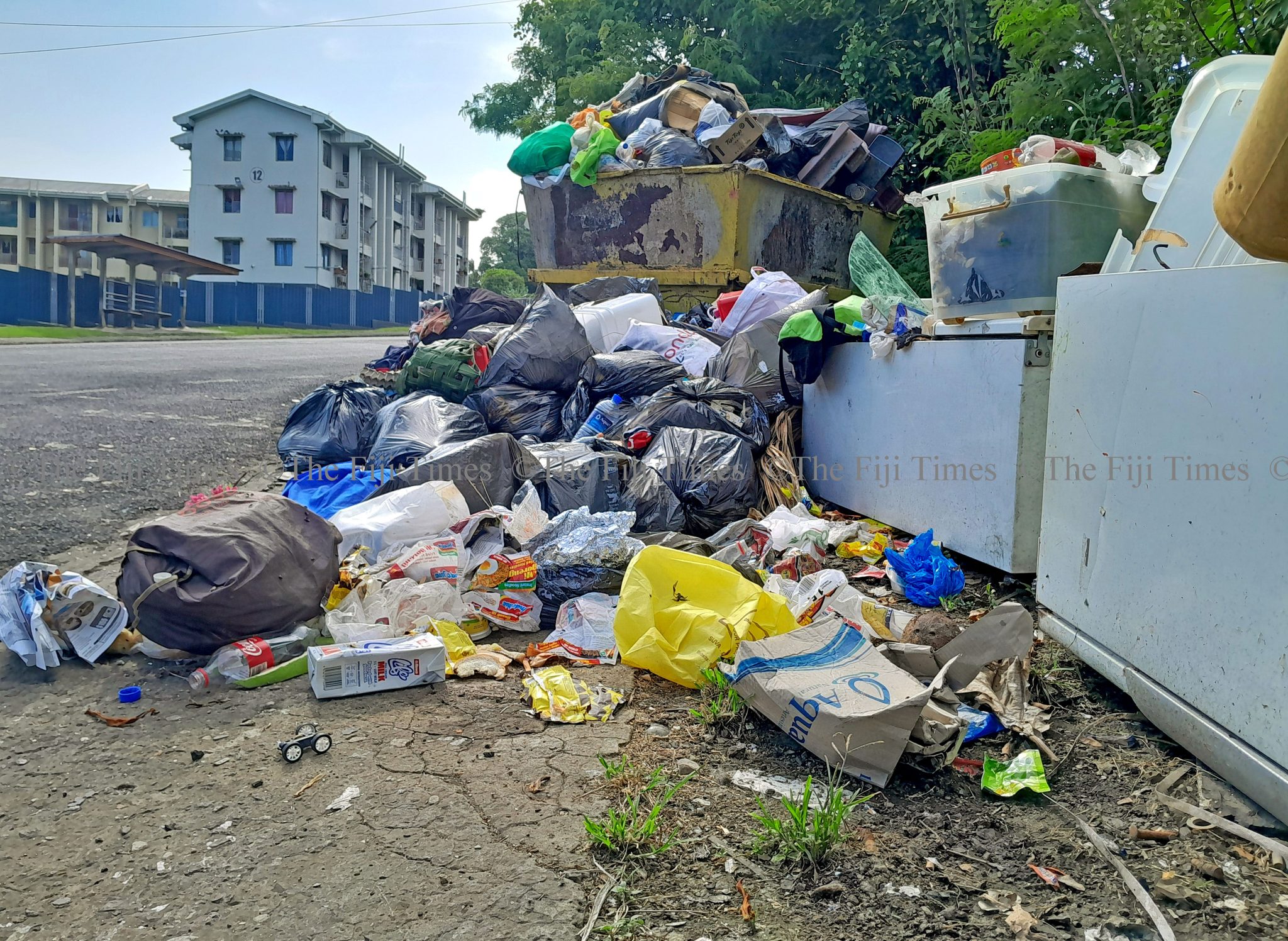
Retired civil servant Ro Aca Mataitini makes a strong case against the persistent problem of roadside littering.
His message is simple but powerful. We must stop dumping rubbish along our roads. His call resonates well because it speaks not only about cleanliness, but about safety, environmental stewardship, and community pride.
Ro Aca voiced this plea during a clean-up campaign yesterday, part of Viti Clean, a weekly community-led initiative launched by the Redstream Maivale Foundation at Nasali on October 1 this year. The group’s efforts are practical, visible and necessary. Yesterday’s clean-up, running from 9am to midday, tackled a long stretch of roadside at Kasavu.
“What we have seen is shocking,” Ro Aca said, reflecting on the first month of the campaign. “From the Wainibokasi bridge to Nasali landing, we picked up 32 bags of rubbish.” The following week’s efforts around the Wainibokasi Hospital bus stop produced 35 more bags. They reveal a troubling truth. Despite repeated awareness campaigns, many people are still dumping waste wherever they want to.
For Ro Aca, the issue goes beyond collecting rubbish. It is about changing mind-sets and cultivating good habits. He highlights recycling initiatives that not only reduce waste but actively involve young people. In one month alone, 20 primary school students collected around 5940 plastic bottles, an impressive example of what can be achieved when communities mobilise and when children learn the value of environmental responsibility early in life.
He also acknowledges the many hands that make these clean-ups possible. Community members like Elijah Vakarau, who voluntarily provides his vehicle to transport collected rubbish to proper disposal sites, demonstrate the kind of civic spirit we need more of. Their efforts prove that solutions begin with people willing to lead by example.
Yet despite the dedication of volunteers, roadside dumping continues. “You must get that habit out of people,” Ro Aca stresses. “Some still come with their garbage bags and dump them on the roadside. This is not anyone’s personal rubbish dump. If you have rubbish, take it to the proper dump sites in Nausori, Nasinu, or Suva.”
His frustration is understandable. Rubbish is more than an eyesore. It is a health hazard, a threat to the environment, and a danger to road users. It clogs waterways, pollutes ecosystems, attracts pests and contributes to flooding. And every plastic bottle or bag tossed from a vehicle speaks of a larger problem: a lack of personal responsibility.
Ro Aca’s message to Government and stakeholders is equally direct: “Walk the talk. We speak so much about climate change and protecting the environment. This is the time to act.” His point is clear. Policies and speeches mean little without enforcement, education, and consistent community engagement.
As the festive season approaches, he urges the public to behave responsibly. Celebrations should not become an excuse for negligence. “The environment is ours. Please, put your rubbish where it belongs.”
It is astounding that, in 2024, we still grapple with such a basic issue. Littering is a matter of attitude. Careless dumping breeds laziness and reinforces a no-care culture that harms everyone. Change must begin with each of us. We must recognise the environment as our own shared inheritance.
There must be a deliberate and collective shift toward doing what is right, disposing of rubbish thoughtfully, appreciating the environment, and protecting the natural resources that sustain us. Authorities, communities, schools and families all have a role to play in shaping this culture of care.
Fiji’s beauty is ours to protect. Let’s stop littering and start taking ownership of our country!

