
The Western Division was on high alert yesterday as Tropical Cyclone Vaianu tracked through the Fiji Group.
The force of the system was felt across the division, with heavy downpours and strong winds battering communities.
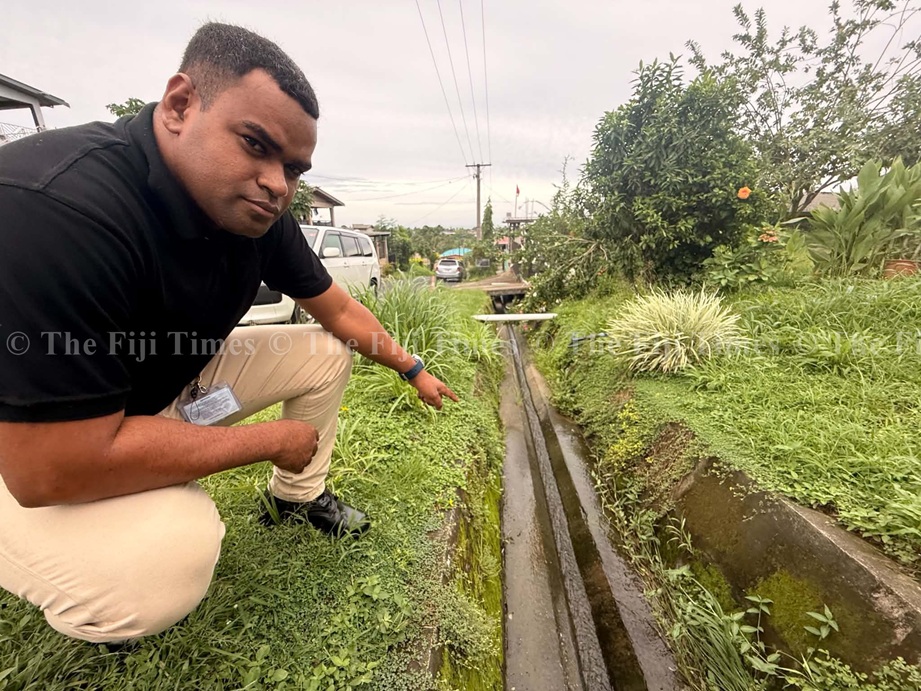
In Suva’s Tacirua East, we also have a report about a third drain-related fatality recorded on Saturday. It was a reminder of how quickly danger can escalate during severe weather.
Meanwhile, the weather office in Nadi is forecasting a path that takes Vaianu on a south-easterly track away from the Fiji Group, passing by Kadavu. While that offers some reassurance, experience tells us that such systems can shift unpredictably.
In the face of the cyclone, let’s be mindful of safety advice.
Let’s be aware of danger spots, and let’s stay safe. Let’s know where our children are and ensure our households are prepared for the unexpected.
Dirty water and debris from Vaianu are choking treatment plants, leaving parts of Fiji with intermittent supply.
The Water Authority of Fiji says while supply remains operational, several systems are under pressure as heavy rain increases turbidity and blocks intake points.
In the Central Division, elevated areas along the Suva-Nausori corridor were already feeling the strain yesterday. Authorities say that while the national system is still functioning, there are pockets of disruption driven by the adverse conditions associated with the cyclone.
The Tamavua Water Treatment Plant has reduced output because of high turbidity levels, with elevated areas bearing the brunt.
Navua and Deuba have also been affected, where intake screens have been clogged by debris washed down by heavy rain and flooding.
In the West, Ba and Lautoka faced reduced supply due to blocked intake screens, damaged raw water lines, and high turbidity levels affecting treatment processes. Among the worst-hit areas were Ba (Waiwai system), Lautoka (Buabua and Saru), Keiyasi, Tamavua high areas, Navua, Deuba and Lakeba.
By last night, parts of Viti Levu were experiencing power cuts, adding to the challenges faced by families already dealing with water disruptions and hazardous conditions.
As we wait for the system to pass, let’s be reminded about the need to get the basics right. Boil drinking water. Stay clear of flooded areas. Avoid unnecessary travel. They can make a difference.
We must also remember that cyclones can be unpredictable, and projected paths may change without warning.
That uncertainty places responsibility squarely on all of us to remain prepared. Keep up with weather updates. Listen to official advice. Act early.
We are still in the cyclone season, which runs from November to April. We have been warned.
This is not the time for complacency!

