
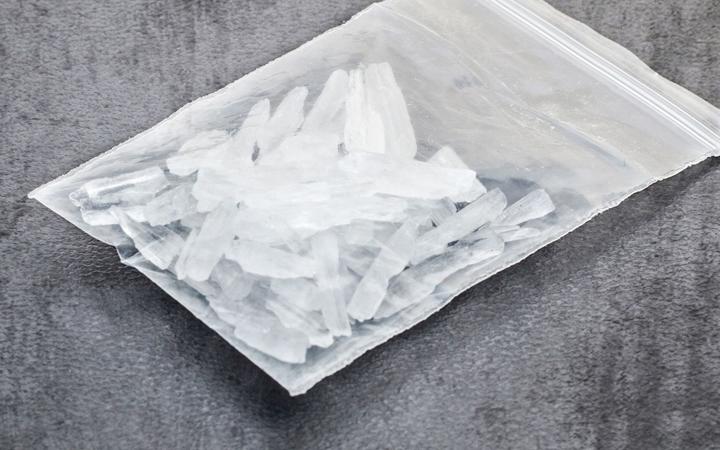
The revelation that five men are in police custody after they were arrested in Suva for allegedly being in possession of white substances believed to be methamphetamine is interesting.
The five, aged between 29 and 44 years, were found with zip lock plastic bags containing the substance.
Acting Commissioner of Police Rusiate Tudravu reiterated that the war on drugs would require our support as police would not be able to fight it alone.
He said their efforts would be strengthened by the sharing of information. That’s where we all come in!
This was one reason, he said, the force had taken a tough stand against officers who were found to be involved in the illicit trade.
Back in 2018 we received a reality check when it was suggested that methamphetamine could become our biggest security issue if it wasn’t controlled? That was the warning from the police.
Our Acting Police Commissioner Rusiate Tudravu was the police chief of operations at the time.
At the time, he said the cheap, easy to make, and highly addictive drug, was being produced in the country through a lot of “dirty transactions”.
Meth production labs, he revealed then, could be set up anywhere because the ingredients and recipes were easy to find on the internet.
In fact, when we consider our neighbouring countries and the impact of the drug, by April 2018, methamphetamine had become the top choice for most Australian users of hard drugs.
An Australian Associated Press report in April that year revealed three tonnes of cocaine, 1.2 tonnes of MDMA, a stimulant drug, and more than 700kg of heroin were consumed in Australia between August 2016 and August 2017.
It was a shocking look at the impact of the drug issue in Australia then.
What was staggering though was the revelation that more than eight tonnes of methamphetamine were shot up, smoked or snorted. The federal law enforcement minister at the time Angus Taylor expressed concern, pointing at methamphetamine as a “very serious issue”.
The figures were part of the Australian Criminal Intelligence Commission’s fourth National Wastewater Drug Monitoring Program report which was released four months earlier.
It showed an overall increase in illicit drug consumption across that country. Back on the homefront, Mr Tudravu suggested then that the internet was being used as a tool to source tutorials on meth-making.
He likened Fiji’s early experience to a “small meth scissors”.
The target, Mr Tuidravu said, was to control the drug problem, and not allow it to threaten society.
Let’s face it, the illicit drug industry is lucrative for those deeply involved in it.
Whatever our take is on the drugs scene, it is a major worry and must be a topic of discussion at all levels of society.
It’s not an issue that will just go away. We cannot ignore it either.
There are questions that will be asked of the powers that be.
Are we appropriately dealing with the drug issue? Do we truly know the extent of the spread of meth, or marijuana and its usage?
Are we aware of the harmful effects of meth on our bodies?
Are we aware of the negative impact of this drug on society and on the family structure?
We can either bury our heads in the sand and pretend there is no problem, or we can be active participants in support of the war against drugs.

