
The revelation that 10,111 cases of child abuse and neglect were recorded in the past five years in Fiji is cause for concern.
These figures, drawn from the National Child Welfare Act (CWA) database, paint a worrying picture of the reality facing many of our children.
They also serve as a reminder that behind every statistic is a child whose life has been disrupted, sometimes permanently, by acts that should never happen in a caring society.
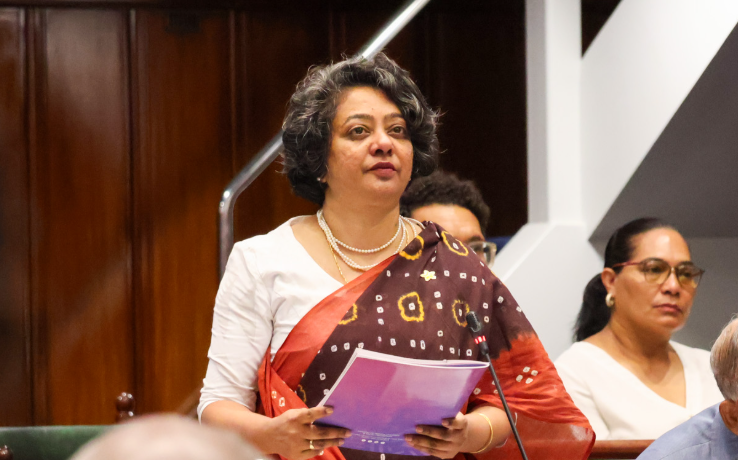
Women, Children and Social Protection Minister Sashi Kiran shared the figure as Fiji marked both the International Day for Prevention of Child Abuse and Neglect and World Children’s Day this week.
The timing could not have been more fitting. It provided an opportunity to reflect on the growing challenges children face, and to acknowledge the responsibility we all share in creating safe environments for them.
The large number of cases, she said, shows that child abuse remains a serious, persistent issue affecting families and communities nationwide, with 60 to 70 per cent of reported incidents involving child neglect, physical abuse, and sexual abuse.
These are daily realities in homes, settlements, villages, and urban centres.
They are realities that demand conversations, interventions, and protective mechanisms.
In the face of this, the minister noted a significant achievement for Fiji this year, with the Coalition Government’s passage of two child-focused laws, the Child Safety and Protection Act and the Child Justice Act, both now being rolled out across the country.
The Child Safety and Protection Act establishes clearer safeguards, responsibilities, and processes for preventing and responding to abuse. The Child Justice Act aims to create a more child-friendly justice system, one that emphasises rehabilitation and fairness.
Ms Kiran also highlighted this year’s global theme, “Nurturing Minds, Protecting Futures”, suggesting it underscores the shared duty of families, communities, schools, workplaces, and government agencies to support children’s wellbeing both offline and online. This reminds us that harm today comes in many forms, from traditional abuse in homes to cyberbullying and predatory behaviour across digital platforms.
The Department of Children has taken steps to broaden support systems by establishing Frangipani Tree Houses, which are child-friendly spaces in communities and workplaces. These spaces are designed to offer environments that nurture learning, emotional development, and a sense of safety for children who may otherwise have limited access to such support.
“To our children, you are valued, you are strong and your voice matters,” she said. The words offer hope. But hope alone is not enough.
The figures will inevitably heighten public concern about how we are treating our children and about the systems in place to protect them. They also force us to confront uncomfortable questions about circumstances we routinely see.
For instance, what about the children who sell food parcels late at night outside a busy plaza in Nasinu? Who safeguards their wellbeing? What pressures lead to their presence on the streets when they should be home, resting or studying? And what social support mechanisms exist for families whose economic hardship forces children into such situations?
These children, walking the streets to help their families, reflect a deeper vulnerability, shaped by poverty, limited opportunities, and sometimes, the absence of choices. Their stories remind us that child welfare cannot be separated from broader social and economic realities.
We must confront the hard truths these figures expose. We must strengthen protection systems, support families in crisis, reinforce community responsibility, and build a culture that refuses to tolerate any form of abuse or neglect. Our children deserve nothing less!

