
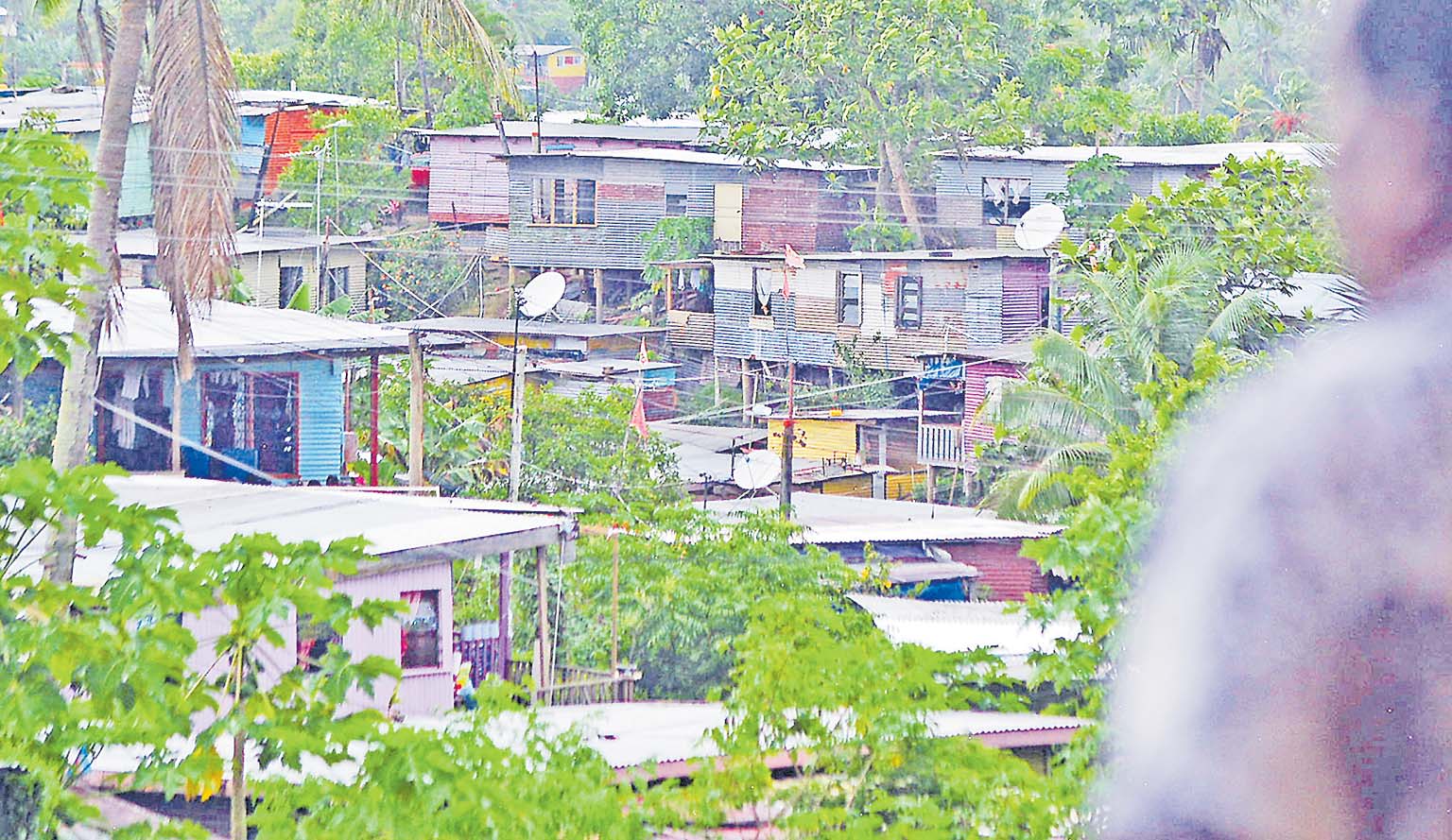
The revelation that a social survey by the Housing Ministry has shown that the vast majority of people living in squatter or informal settlements are well off and capable of securing proper housing is going to attract a lot of attention.
Permanent secretary Manasa Lesuma has confirmed some residents were genuinely unable to afford proper housing due to financial constraints, but there were others who could.
Now this is a serious state of affairs and raises a lot of questions.
After the social survey by the ministry, Mr Lesuma believes a lot of people living in informal settlements can actually afford it, and they still chose to stay.
We say this raises serious questions and has significant implications for the Government’s approach to addressing informal settlements.
Government, Mr Lesuma said, is working on a new initiative to relocate people living in informal settlements.
There is a pilot project for the relocation of the Veidogo settlement in Vatuwaqa, for instance.
Mr Lesuma said there’s also a separate relocation project partnership between the ministry and the Habitat for Humanity.
“We do social surveys to know the earning power of a family, those that deserve to be relocated, and those manipulating the system.
“For people that are well off yet living in informal settlements and have properties rented out elsewhere, this segment of people are the ones that the landlord will have to evict.”
He said these are mainly settlements that have been developed and upgraded.
“The lots are subdivided, the tenants get proper roads that meet Fiji Roads Authority standards and proper utility services.”
Mr Lesuma attributed the mass rural to urban drift as the cause of congestion along the Suva-Nausori corridor.
“Right now there are close to 300 informal settlements throughout Fiji and the challenge is for us to see how we can upgrade some of these settlements.”
This scenario puts pressure on urban infrastructure and resources, exacerbating issues like housing and sanitation.
The survey’s findings have major implications for policy and resource allocation.
In saying that, we believe it is crucial for policymakers to distinguish between those who genuinely require assistance and those who can afford better housing but choose not to.
This distinction will enable more targeted and effective interventions to address the root causes of informal settlements.
The Housing Ministry’s initiative is promising, but we believe its success may depend on an understanding of the complexities driving informal settlements and a commitment to addressing the needs of all stakeholders involved.

