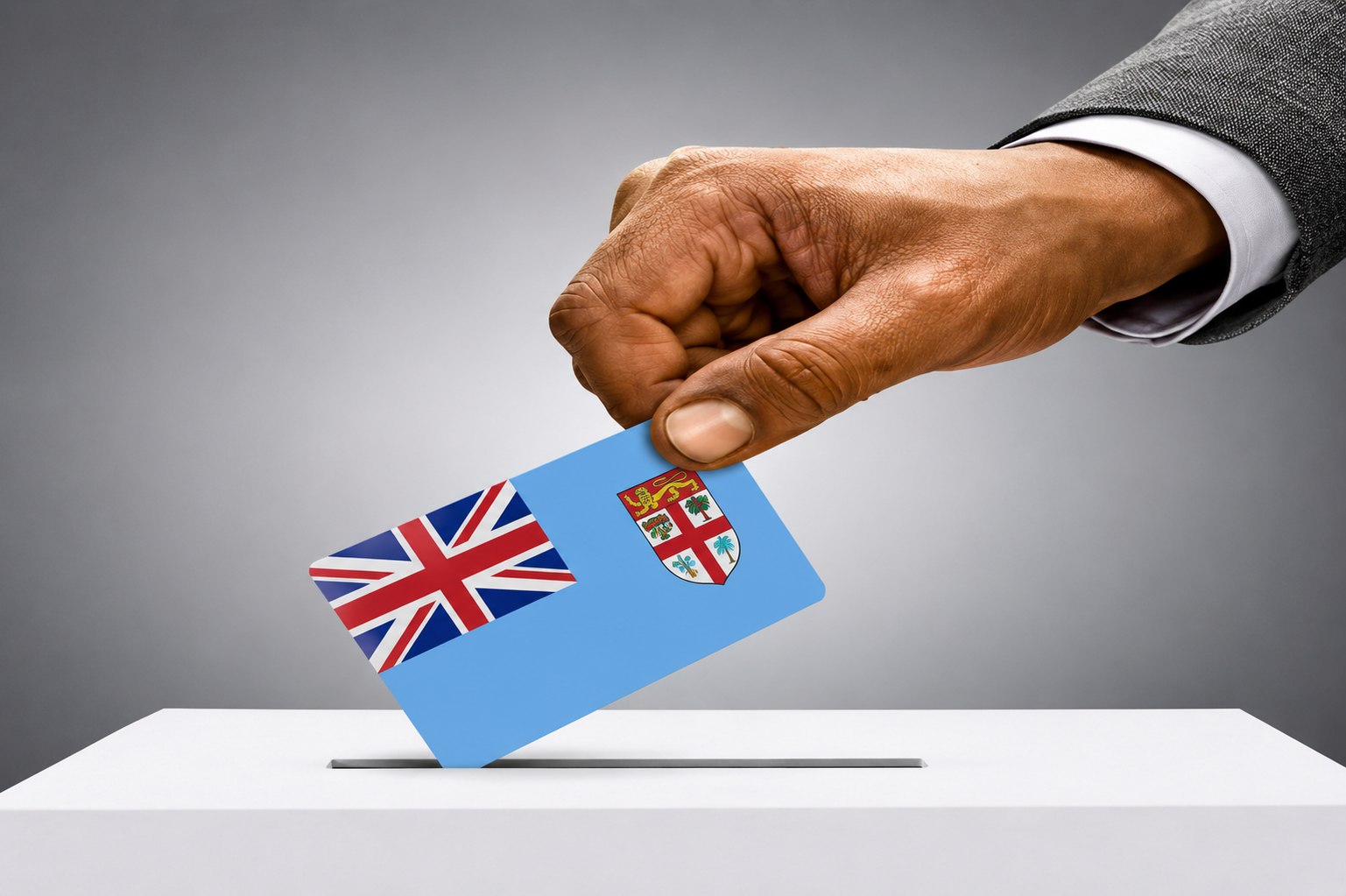
The revelation that the release of the official campaign period dates has placed renewed pressure on Government will attract attention in many quarters.
That pressure centres on one key issue. Whether any proposed constitutional and electoral reforms can be completed before Fiji returns to the polls.
According to Prime Minister Sitiveni Rabuka, Government is still working through the matter. He acknowledged that the Electoral Commission had acted within the constitutional timeline when it announced the campaign period dates.
The PM was also responding to suggestions that Government was unhappy with the Commission’s decision to release the dates. While noting the Commission’s independence, he indicated that consultation may have been useful. However, he accepted that the Commission was simply following the timetable prescribed by the Constitution.
The announcement of the dates, he said, has effectively tightened the timeframe available to Government because any constitutional amendments would also need to be accompanied by corresponding changes to electoral laws.
Altering the Constitution alone would not be enough if the laws governing elections remain unchanged before the next general election. So, if constitutional amendments are approved but electoral legislation is not updated to reflect those changes, we could still be required to conduct the next election under the existing electoral framework.
That reality raises important questions about timing, preparation and political consensus. Parliament, the Prime Minister said, may ultimately determine the way forward. Government may seek parliamentary support as it balances reform efforts alongside other pressing priorities, including the national budget.
He also referred to the constitutional election window early next year, suggesting the country could be called to the polls before February 2 or 4. The Prime Minister acknowledged that Government is now working against the clock. With the campaign period dates already announced, the constitutional timetable is steadily guiding us toward the next general election.
It is interesting that this issue is being highlighted now. Sceptics will ask how voter awareness and public education will be factored into the process if significant changes are made to electoral laws for starters. Let’s face it! Any reform must be understood by the people it affects. There would need to be sufficient time for voters to appreciate and understand how a new system works before they are asked to cast their ballots. There would have to be constitutional boundaries factored in and voters understanding where they sit in the greater scheme of things. So, is it even practical? Is it workable? Otherwise, we may find ourselves relying on the current framework, with all its familiar strengths and criticisms, including the tendency for personality-driven politics and the appeal of political “star status”.
That is why questions about timelines are reasonable and necessary. Constitutional reform is not just about changing legal provisions. It is about ensuring that the electoral laws, administrative systems and public understanding evolve alongside changes. If reform is to be pursued, it must be thorough, transparent and inclusive.