
JOURNALISTS and the media organisations they represent remain central to the health of any democracy.
On World Press Freedom Day, marked annually on May 3, it is both timely and necessary to recognise the indispensable role they play in informing the public, shaping national discourse and holding those in power to account.
A free press is not a luxury; it is a cornerstone of democratic society. It upholds freedom of expression and safeguards the public’s right to information — principles essential to transparency, accountability and human dignity.
This year’s theme, Shaping a Future at Peace, highlights the role of a free and responsible media in fostering stability, dialogue and understanding. Journalists play a critical, often dangerous, and multifaceted role in conflict and war.
Their work goes beyond mere reporting, functioning as a mechanism for accountability, historical documentation, and sometimes, peacebuilding
In fact, peace is built on trust, openness and the exchange of ideas, all of which depend on credible journalism.
By reporting truthfully, countering misinformation and giving voice to diverse perspectives, the media helps bridge divides and promote social cohesion.
Journalism is demanding and often misunderstood.
It is not confined to office hours nor driven by financial reward.
It requires long hours, vigilance and, at times, personal sacrifice.
Whether covering disasters, political developments or social issues, journalists work under pressure to deliver accurate and timely information, sometimes at significant personal risk.
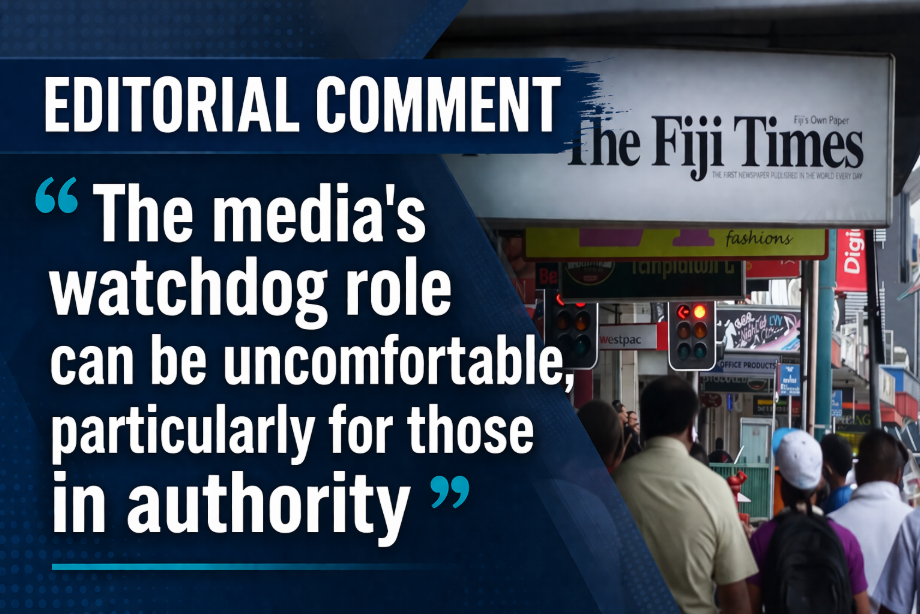
The media’s watchdog role can be uncomfortable, particularly for those in authority, but it is essential to strong democratic institutions.
By scrutinising decisions, exposing wrongdoing and amplifying the voices of ordinary citizens, journalists contribute to a more informed and engaged society.
They create space for public debate, even when issues are difficult or unpopular.
Without a free and independent press, societies risk allowing misinformation, corruption and abuse of power to go unchecked.
A robust media sector, on the other hand, strengthens governance, promotes transparency and supports national development, ensuring citizens are informed and able to participate meaningfully in public life.
Recent global crises have underscored the importance of credible journalism.
In times of uncertainty, the public depends on reliable information to make informed decisions.
The media continues to play a critical role in disseminating facts, countering misinformation and highlighting the challenges faced by vulnerable communities.
On this World Press Freedom Day, we commend the dedication and resilience of journalists who continue to serve the public interest.
Safeguarding press freedom, freedom of expression and the right to information is not optional — it is essential to democracy and the greater good.
In his 2026 message, United Nations Secretary-General, Antonio Guterres, said society should protect the rights of journalists, and build a world where the truth – and truth-tellers — are safe.

