
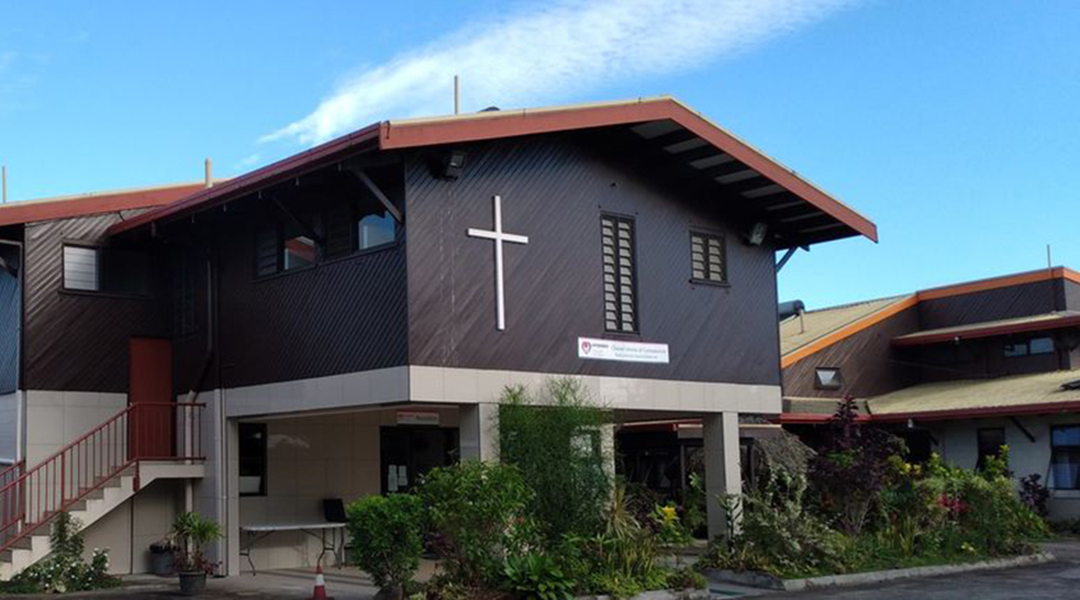
The fact that all aged-care homes in Fiji have reached full capacity is quite revealing.
Social Protection Minister Sashi Kiran has confirmed that there were no available rooms left in existing aged-care facilities around the country.
Every space is taken! That is enough to trigger serious reflection. Naturally, questions will be asked. If all facilities are full, it means the demand for such care has risen significantly. And if that demand is growing, then we must ask ourselves what has changed.
Several possibilities come to mind. Families may increasingly find it more practical to place elderly relatives in specialised homes where care can be provided consistently. The pressures of modern living could also be a factor. Rising living costs, economic pressures and the daily struggle to make ends meet may be forcing families to make difficult choices.
Times are changing, and with those changes come shifts in mindset and lifestyle.
Responding to the situation, Ms Kiran said the Government was working with several partners to expand capacity in existing facilities. She cited discussions with organisations such as St Vincent de Paul Home to help create additional space. Similar conversations are also taking place with partners in communities such as Koroipita.
While expanding physical facilities will help address immediate demand, the minister indicated that the Government was also exploring broader, long-term solutions.
Among the options being considered are community-based care models that allow older people to remain within familiar surroundings while still receiving support.
Consultations across the country are expected to help shape how these approaches might work.
At the same time, the Government is reviewing policies and legislation aimed at better protecting our growing elderly population.
According to Ms Kiran, the review comes at a time when cases of neglect, abuse and health-related challenges affecting older citizens are becoming more visible.
She noted that ageing-related diseases are rising and that older people are increasingly vulnerable in different ways, including financial exploitation and property theft.
Another concern is the lack of understanding surrounding conditions such as dementia and other age-related illnesses. In some cases, younger people simply lose patience with elderly relatives whose needs are becoming more complex. We note that urban migration and overseas employment are also contributing to the challenge. Many younger family members move away for work, leaving elderly parents or relatives behind with limited support. And then modern family structures, focused primarily on nuclear households and demanding work schedules, sometimes leave older relatives feeling neglected or isolated.
Ms Kiran said the Government is considering whether new legislation specifically focused on safeguarding the rights and wellbeing of older persons may be needed, beyond existing protections under the Family Law Act.
The situation is unfortunate. Yet it reflects the realities of a society that is evolving rapidly.
In saying that, it is important to acknowledge that many families across Fiji continue to care for their elderly with great dedication. For them, looking after parents and grandparents is not just an obligation. It is a duty carried out with love, patience and respect. But we must also recognise that some families are struggling to cope with the pressures of modern life. In such circumstances, aged-care homes become a practical option. Still, this is rarely how the elderly themselves would choose to spend their later years.
Our challenge as a nation is to confront this reality with compassion, understanding and urgency.
The men and women who now find themselves in their later years are the very people who helped build the Fiji we know today.
Their years of effort helped shape our nation. At the very least, they deserve our gratitude, our respect and our care.
As we move forward, we must ensure that our elderly are not left behind. Honouring them is not just about building more facilities or passing new laws. It is about recognising their contribution, valuing their dignity, and ensuring that in the final years of their lives they are treated with appreciation and respect!

