
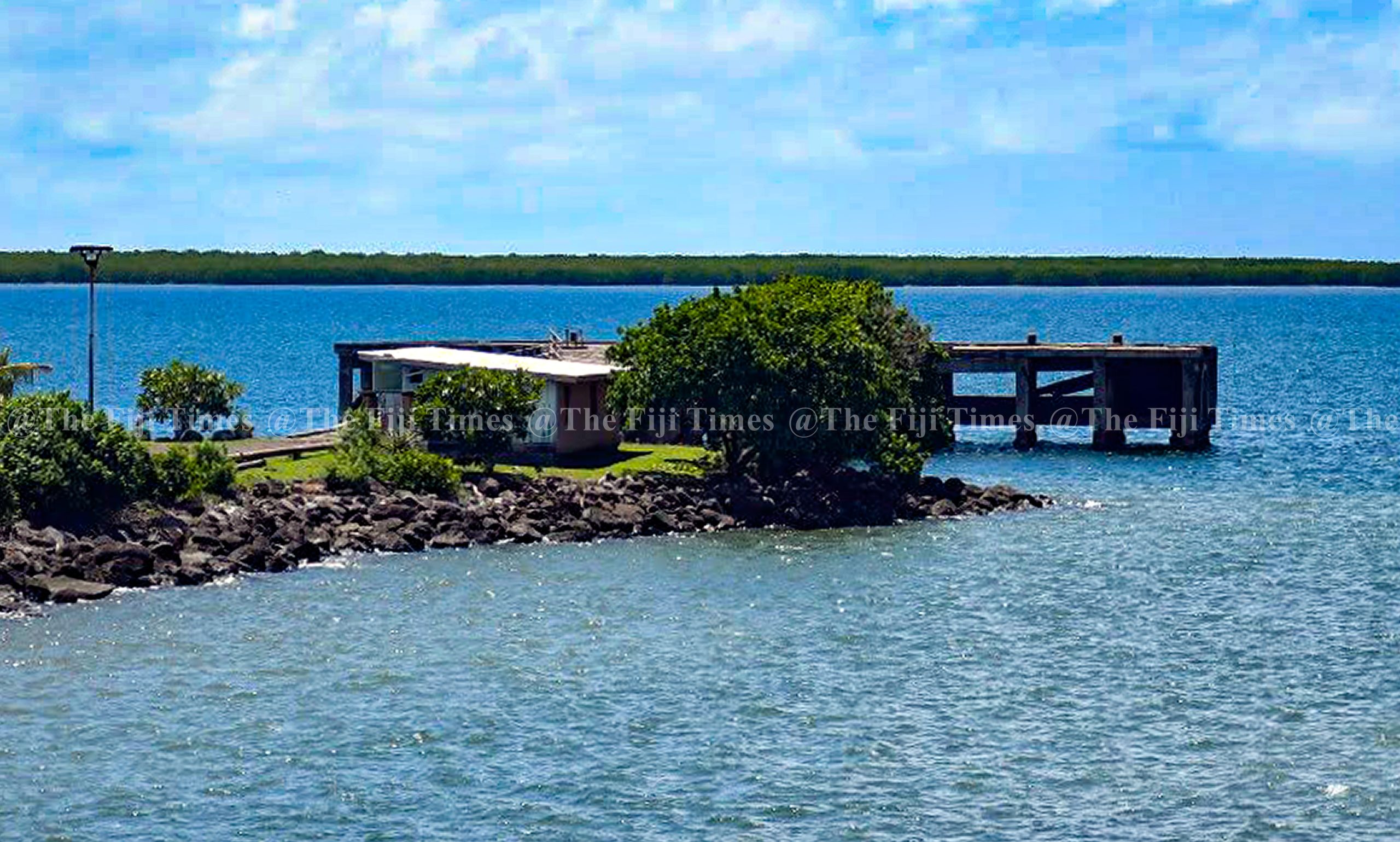
The early-morning drug raid at Vatia in Tavua yesterday was a shocker! It attracted attention far beyond the quiet wharf where it unfolded.
The seizure of more than 100 sacks of suspected cocaine and the arrest of six people, including four foreign nationals believed to be from Ecuador, raises serious and troubling questions about what may have been happening in our waters long before law enforcement moved in.
At the centre of those questions is a voice that had been sounding the alarm for some time.
Vatia wharf caretaker Rajeshwar Anand Kapoor says he repeatedly reported suspicious maritime activity to police well before the operation that has now captured national attention.
His account paints a picture of large yachts anchoring well away from the wharf, unfamiliar crews behaving furtively, and patterns of behaviour that were anything but ordinary.
Speaking from his home in Vatia, Mr Kapoor said the activity was not new.
He described yachts arriving, anchoring at a distance, and occupants swimming, washing their vessels, or lingering for extended periods.
“Sometimes the yachts come, then I call the police to do patrolling there,” he said. “I would see a couple of yachts berthing outside of the wharf.”
This is where the matter becomes a major concern. If such activity was being observed repeatedly over months, even years, then this was not an isolated incident or a chance encounter. It suggests timelines, familiarity with the area, and a level of confidence that comes only when systems are tested and found wanting.
It raises questions about vigilance, response times, and whether early warnings were acted upon with the urgency they deserved.
Mr Kapoor recalled making “plenty complaint” about the yachts, including sightings last year where similar patterns were observed. He also spoke of groups of men wearing thick cloth around their heads in the area, another detail that now takes on added significance in light of the raid.
For many Fijians, this operation confirms what has long been suspected: that Fiji is not merely a transit point of convenience, but may be part of a much larger, highly organised international drug network. And we are talking about syndicates with resources, planning and reach that exploit gaps wherever they find them.
Police Commissioner Rusiate Tudravu has confirmed that the raid was conducted by officers from the Criminal Investigations Department, the Serious Organised Crime and Intelligence Department, and the Western Division Taskforce, with assistance from foreign law enforcement agencies. That collaboration is welcome and commendable. So too is the heavy guard now placed over the suspects and seized evidence at Ba Police Station.
But enforcement alone is not enough. While we acknowledge and commend the officers involved in this operation, we must also confront the broader implications. Border surveillance, coastal monitoring, and the handling of community intelligence must be strengthened. When ordinary citizens raise concerns, those warnings must be treated as potential lifelines, not background noise.
Equally urgent is the human cost of the drug trade. As investigations continue, the call for properly resourced rehabilitation centres must not be ignored. Every sack seized represents countless lives at risk. We can’t just arrest our way out of this crisis.
The Vatia raid should be a turning point for us, to tighten vigilance, strengthen systems, and invest just as seriously in prevention and rehabilitation as we do in enforcement.

