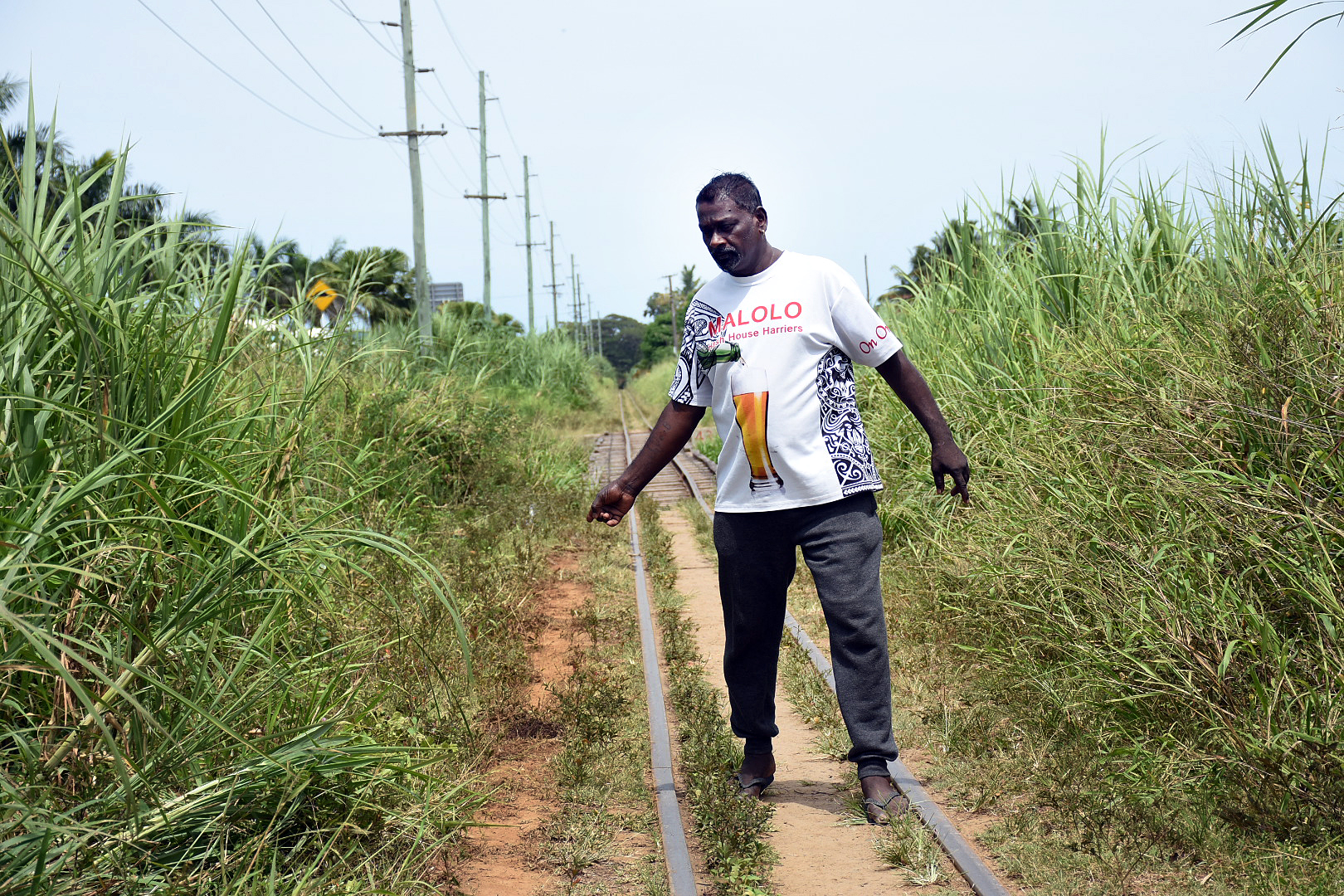
The announcement that the upgraded tramlines serving the Rarawai and Lautoka mills will be closed has reignited debate about the future of Fiji’s sugar industry.
While the decision has drawn criticism, it also forces an important public conversation around how much longer can the industry continue on its current path.
The Fiji Sugar Corporation’s argument is fair enough. Only a small percentage of cane is now transported by rail, and maintaining an extensive network for declining volumes is becoming increasingly difficult to justify. If the economics no longer support the service, FSC has a responsibility to review whether scarce resources could be used more effectively elsewhere.
Yet the controversy surrounding the closure stems from more than the loss of a transport option. It reflects the growing frustration over the millions of dollars invested in efforts to revive an industry that continues to shrink.
Just last year, $1.7million was spent upgrading tramlines that are now being shut down. Before that, there were repeated government assistance packages, machinery upgrades, incentives, grants and reform programmes. Despite these interventions, cane production has continued to fall, farmer numbers have declined and economic returns have diminished.
The uncomfortable reality is that Fiji may be trying to fix an industry whose challenges are structural rather than temporary. Younger generations are showing less interest in cane farming. Labour shortages persist. Climate-related disruptions are more frequent. Few land tenure uncertainties remain. Meanwhile, competing industries offer more attractive returns for both landowners and workers.
That does not mean sugar should be abandoned. The industry still supports thousands of livelihoods and remains important to many rural communities. The focus should be on creating a smaller, more efficient and commercially sustainable sector.
Farmers also deserve practical support rather than simple calls to “plant more cane”. Increased production will only occur if farming remains profitable and attractive. This requires reliable harvesting arrangements, efficient mill operations, better access to technology and confidence that investments of time and money will generate reasonable returns.
At the same time, FSC must continue reducing unnecessary costs and invest in areas that directly improve productivity. Every dollar saved through efficient operations should contribute to strengthening the industry’s most productive growers.
The closure of the tramlines may ultimately be the correct economic decision.
But it should also serve as a reminder that Fiji cannot continue spending millions merely to slow a long-term decline. The challenge now is to determine whether the sugar industry can be reshaped into a future sustainable enterprise or whether resources should be redirected towards helping farming communities transition to new agricultural and economic opportunities.