
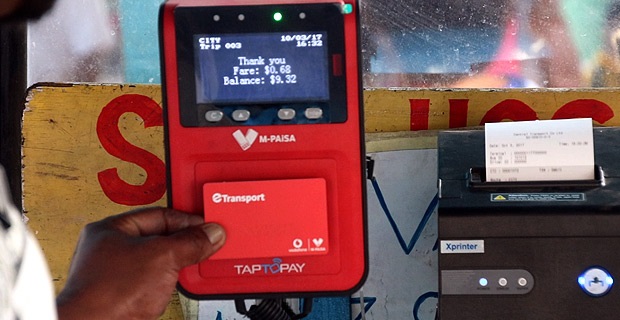
So much has been said about the e-ticketing process ever since it was launched a few years ago. So the revelation that Vodafone Fiji’s contract to provide e-ticketing services is coming to an end will attract attention.
Acting Land Transport CEO Irimaia Rokosawa said the company’s five-year contract with Government had expired late last year.
There have been discussions since January this year about the contract agreement, he said. In the face of negotiations, he said there had been ongoing consultations between bus operators and the company to discuss issues with the e-tickeing system.
Now what will raise eye-brows is the revelation that since the establishment of the e-ticketing policy in 2017, and inception in 2018, stakeholders, including the LTA, Ministry of Communications, Ministry of Transport, Fiji Bus Operators Association and Vodafone Fiji were coming together for the first time to discuss the e-ticketing system.
“I’ll be very honest, ever since this e-ticketing policy was established in 2017 and its inception in 2018, for the first time ever, we are bringing these key stakeholders together – LTA, Ministry of Communications, Ministry of Transport, Fiji Bus Operators Association and Vodafone Fiji to discuss the e-ticketing system,” he revealed.
“From these consultations that we had today (yesterday) we heard that Vodafone is facing some challenges with the system. According to what we’ve heard from them is that e-ticketing is not financially sustainable so we need to come up with a better solution.”
Infrastructure issues, he noted, were another concern that was raised by bus operators during the consultation.
There was a need to address infrastructure issues, he pointed out. He spoke about internet coverage and accessibility to different networks.
Then we learn that during the consultation, bus company owners were informed that the e-ticketing system had reached its “end of life”, there was a need for an upgrade, and there was no back up to the system.
We now look up to the powers that be to consider issues raised over the years about the transition from cash paying fares to e-ticketing.
We look up to our decision makers to consider connectivity, and convenience, and rural-based challenges for instance.
We look up to those in power to embrace wide-spread opinions and set the stage for discussions to ensure we have a system that is embracing of all our challenges and views and come up with solutions that will assist the travelling public to enjoy their rides.
Ultimately what will matter for members of the public is the ability to travel with ease, convenience, and peace of mind. We will look forward to some positive outcomes.

