
The revelation that drug traffickers are attempting to exploit Fiji’s geographical location as a transit route to larger international markets is something many of us have long suspected.
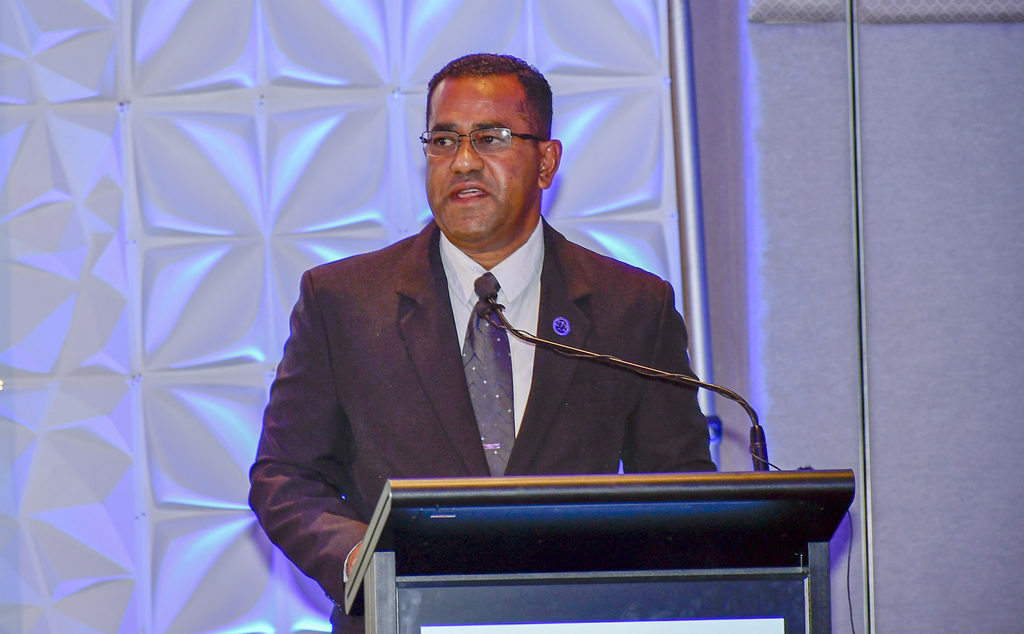
Now that Acting Prime Minister and Minister for Lands and Mineral Resources Filimoni Vosarogo has reaffirmed this reality, public concern is justified and inevitable.
Hard questions will follow. Are we prepared to confront a threat that is sophisticated, well-resourced and relentlessly adaptive?
At international investigative journalism forums, much has been said about how difficult it is for drug syndicates to penetrate the Australian market because of its robust border security. Compared with the movement of drugs from Mexico and other South American countries into the United States, or through major ports in Europe, Australia’s vast but closely monitored coastline is no easy target.
It is therefore logical, and troubling, that traffickers would look to Pacific Island nations as staging points into what is widely viewed as a lucrative destination.
Fiji’s strategic position in the Pacific places us squarely within that calculation. That reality was highlighted by the arrest of four South American nationals and two Fijians following the seizure of more than 100 bags of cocaine at Vatia in Tavua last Friday.
Mr Vosarogo described the operation as a significant success for the Fiji Police Force and partner agencies, both locally and internationally, noting that it demonstrated heightened vigilance and a firm commitment to protecting national sovereignty.
The Government has been unequivocal in its message.
Fiji, Mr Vosarogo said, will not be allowed to become a trafficking corridor for dangerous drugs. The impact of drugs on society, particularly on young people, families and future generations, is devastating and demands urgent, sustained action. The arrest of foreign nationals, he stressed, sends a clear signal to international syndicates that Fiji is not an easy target.
The incident, however, also opens the book wider on the scale and complexity of drug trafficking through our region. It confirms the involvement of international networks and should trigger alarm bells across the system of government. This is not a problem for police alone.
A credible response must involve all connected ministries and departments, including those responsible for work permits, immigration, customs and border control. It must include agencies tasked with patrolling our waters, maintaining naval and police vessels, and regulating the clearance of visiting and transiting vessels. Border security is only as strong as its weakest link, and traffickers are experts at finding gaps.
Mr Vosarogo has reiterated the Government’s commitment to a whole-of-government and whole-of-society approach, encompassing stronger border controls, enhanced inter-agency cooperation, collaboration with regional and international partners, and support for community-based prevention and awareness programmes.
The professionalism and dedication of the Fiji Police Force and all agencies involved in the Tavua operation deserve recognition.
Yet enforcement alone will not solve this crisis.
Once again, as we have done for four years now, we must raise the urgent need for properly resourced rehabilitation centres for drug users. These facilities are essential and must be staffed with qualified health professionals and rehabilitation specialists who can address addiction as a public health issue, not just a criminal one.
Drugs, addiction, rising HIV cases and crime are interconnected. Ignoring one element weakens our response to all. We acknowledge the tireless work of police and those operating behind the scenes in this latest bust. But now is the time to move beyond statements and strategy documents. This threat demands decisive, coordinated action. We are talking about our future!

