
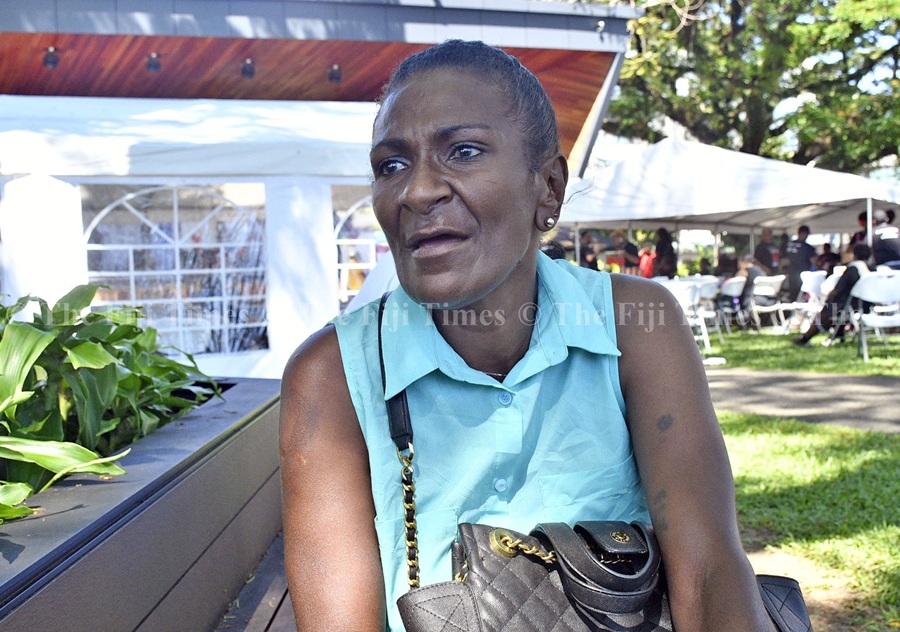
Margaret Seduadua knows a great deal about HIV.
She knows its human toll, its social consequences, and the shadow it can cast over a nation. She understands intimately what it means to live with the virus, its weight on families, its burden on systems of care, and its power to expose the cracks in our awareness and preparedness. When she speaks, she speaks with the authority not only of experience but of survival.
At 46, Ms Seduadua is now pleading with Fijians to take the disease seriously and to take action that protects their own lives and the lives of the people they love. The number of those afflicted, she says, continues to surge at an alarming rate. What troubles her most, however, is the complacency and indifference that too often shape people’s attitudes toward HIV/AIDS today.
“When we were first diagnosed about a decade back, a group of us were scared to go out partying,” she recalled. “We were very careful and made sure that we didn’t infect anyone else with HIV. But now, we are seeing the young people freely enjoy themselves; they seem not to care about the spread of HIV, and that is the very reason for the increase in cases in Fiji.”
She is even more alarmed by the rise of drug use and the sharing of syringes, a preventable but highly dangerous avenue of transmission that now adds another layer of fear to her advocacy. “Now with drugs among our people who spread it through the use of syringes, it is even more scary. So I am pleading with parents to protect their children.”
Ms Seduadua’s own story is one of personal loss and painful resilience. The mother of three contracted HIV from her late husband, who died in January last year. Two months ago, she lost her youngest son to pneumonia. These tragedies, she said, have carved deep wounds but have also strengthened her resolve. Living with HIV, she told those gathered at the World AIDS Day celebration in Suva yesterday, has been a daily challenge. Yet the support and love of her family have helped her endure and continue moving forward.
“But I have had to move on and raise awareness with my own family members. There was very little awareness in the early 2000s, and people used to say that we, the infected ones, cannot share the same bathroom or toilets with the non-HIV family members,” she said.
Her early years with the diagnosis were marked by terror and despair. “When I was told of my condition, I was scared. I wanted to commit suicide because I didn’t know what HIV was about and its impacts.”
Today, she gives thanks for the many stakeholders, including the Ministry of Health, whose efforts have helped dispel myths, expand testing, and provide critical information and treatment.
Australian High Commissioner Peter Roberts noted that since the declaration of the HIV outbreak, the Australian Government has been working to support Fiji’s priorities in responding to the crisis.
About 27 people have lost their lives to HIV in the first six months of this year, with 19 from the Central Division, followed by the Western Division with eight, and one death in the North. There is comfort in knowing that action is being taken and that people like Ms Seduadua are stepping forward to speak out. But the surge in infections and deaths remains a major concern. When individuals with lived experience, those who witness firsthand the behaviour and environments driving the crisis, raise the alarm, we must listen.
We know what is happening. We know how frightening the situation has become. And we know many of the causes behind this spike. The challenge now is to acknowledge the problem, and to act on it with honesty, urgency, and responsibility.
This HIV challenge is a national test of our vigilance, compassion, and collective will.

