THE rise in fuel prices and the increasing cost of goods could force our political leaders to confront one of the most powerful influences on voter sentiment.
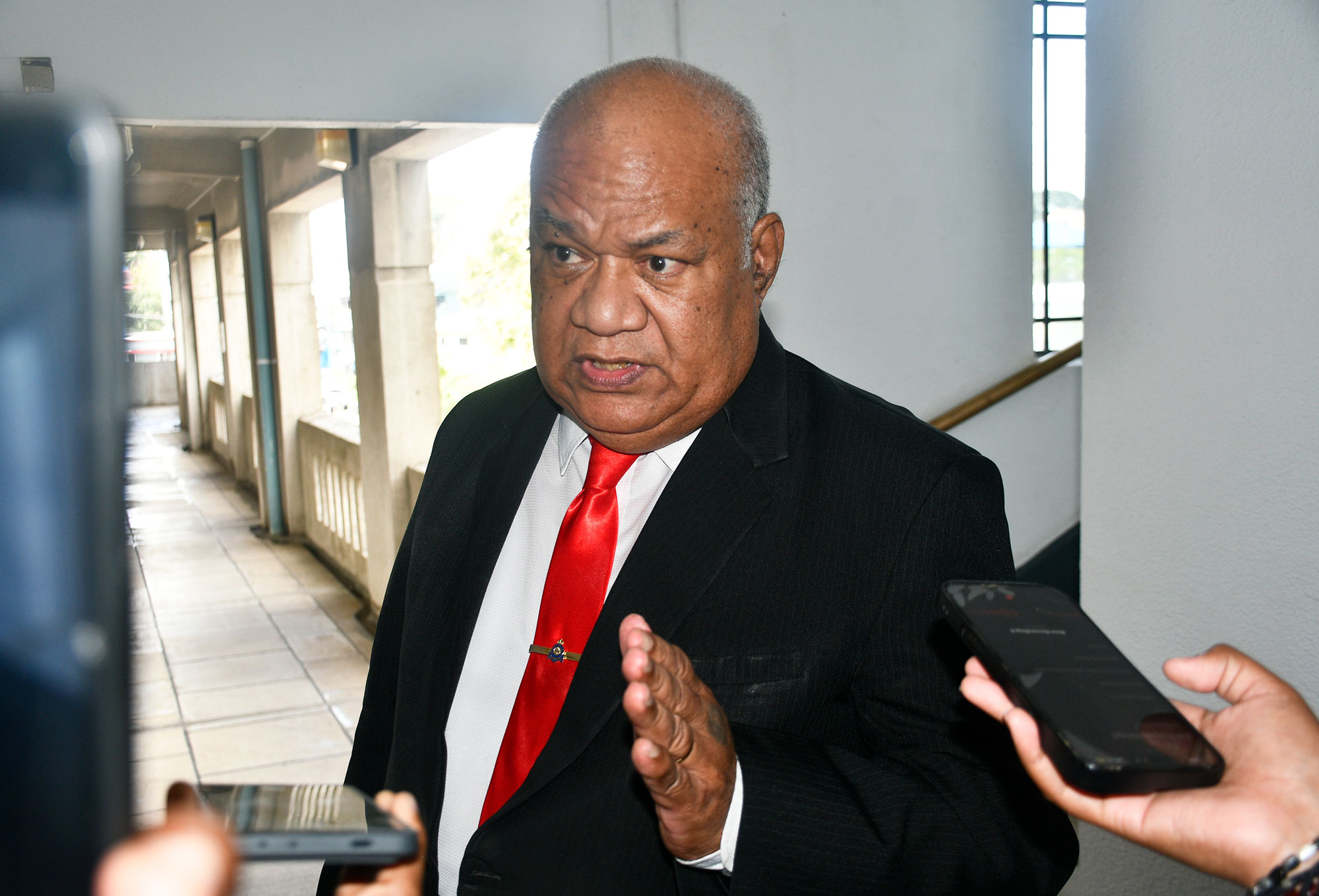
People’s Alliance president Ratu Joe Dimuri believes they will influence how voters react in the lead-up to the national elections.
While the cost-of-living pressures are affecting households across Fiji, Mr Dimuri insists the factors driving the increases are largely beyond the Government’s control.
His assessment is realistic and quite important. We have got to face the fact that elections are often shaped not only by policies and promises, but also by how people feel about their personal circumstances. When households are under pressure, frustration can easily translate into dissatisfaction with those in power, regardless of where the root causes of the problem may lie.
In the face of all that is happening around us, Ratu Joe argues that many of the factors driving the current crisis are beyond the Government’s control. This is where he points to global conflicts and geopolitical tensions, particularly in the Gulf region, which have pushed fuel prices higher around the world.
Like many small island developing states, we are not immune to the challenges of the world, and we are vulnerable to events happening far beyond our shores.
However, public perception, to a large extent, may often be shaped less by international events and more by everyday reality. We may have to accept that people judge circumstances based on what they experience.
When fuel costs rise sharply and prices increase across the board, families naturally expect answers from those entrusted with leading the country.
This is where communication becomes critical.
If political leaders believe external factors are driving economic hardship, then they must explain this clearly and consistently. They must demonstrate what measures are being taken to cushion the impact on Fijians. People want to know why things are happening, and what is being done about them.
As we move closer to another election cycle, political parties face an important responsibility. Aside from defending their records and criticising their opponents, they must engage with the public, explain their policies and outline their plans for addressing challenges we face as a nation.
To that effect, the campaign period is a vital part of any democracy. It is supposed to provide voters with an opportunity to assess competing visions for the future, scrutinise promises and question leaders.
Elections are about public confidence. Voters will be looking for leadership, credibility and practical solutions. The party that listens, communicates effectively and demonstrates a strong understanding of people’s concerns will be best placed to win support.
As campaigning gathers momentum, we say informed debate and meaningful engagement must take centre stage. That is important for us and our nation.