
Now this is getting serious. And it is encouraging to see the urgency now placed on fighting HIV. That is the way to go.
We can’t just bury our heads in the sand, so to speak, and hope all the bad news about HIV will simply float away.
It won’t go away, and it should not matter that we are now sounding like a broken record on permanent replay mode. In fact, what we have now is a step up in terms of concerns over our numbers.
We have been discussing this important issue for a few days. And it makes sense that we should stimulate discussion and initiate a campaign that places this issue in the minds of as many people as possible and makes it an important part of our national conversation. Silence will not help us.
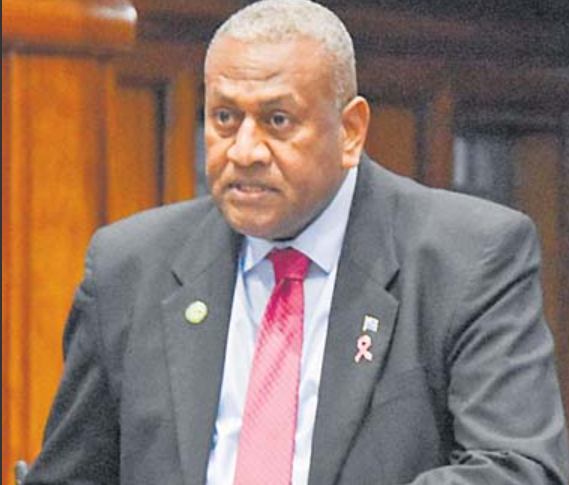
Now, according to Assistant Minister for Health Penioni Ravunawa, in the next 10 years, one in every classroom could have a child living with HIV in Fiji.
That could happen if we do nothing to strengthen prevention. It is a warning about our children.
Mr Ravunawa’s comments come as Fiji’s HIV epidemic continues to attract international attention, with recent reports describing the country as having one of the fastest-growing HIV epidemics globally.
And this crisis has also been linked to injecting methamphetamine, with concerns raised about access to safe injecting equipment, HIV prevention and stigma-free healthcare. These issues are complex, but that should not be an excuse for complacency.
And to get a sense of what we are facing, we have to reflect on the latest Ministry of Health figures, which state Fiji recorded 2016 new HIV diagnoses in 2025.
The ministry also recorded 117 HIV-related deaths last year, including 17 children aged under 15. Of those who died, 67 had been diagnosed with HIV in the same year. Behind every number is a person and a family!
Our figures include mother-to-child transmission, which is a major concern, with 59 babies reported to have been born with HIV in 2025, compared with 31 in 2024.
The country, Mr Ravunawa said, needs a united response, with communities, traditional leaders and faith-based organisations playing an important role. We must make that call.
There is a need for engagement by all stakeholders. We must talk about awareness and prevention across society. We all have a role to play.
We have to pull out all stops. It should be about getting all hands on deck. Now! We need open conversations, stronger prevention, accessible services and compassion! We need action! Now!

