
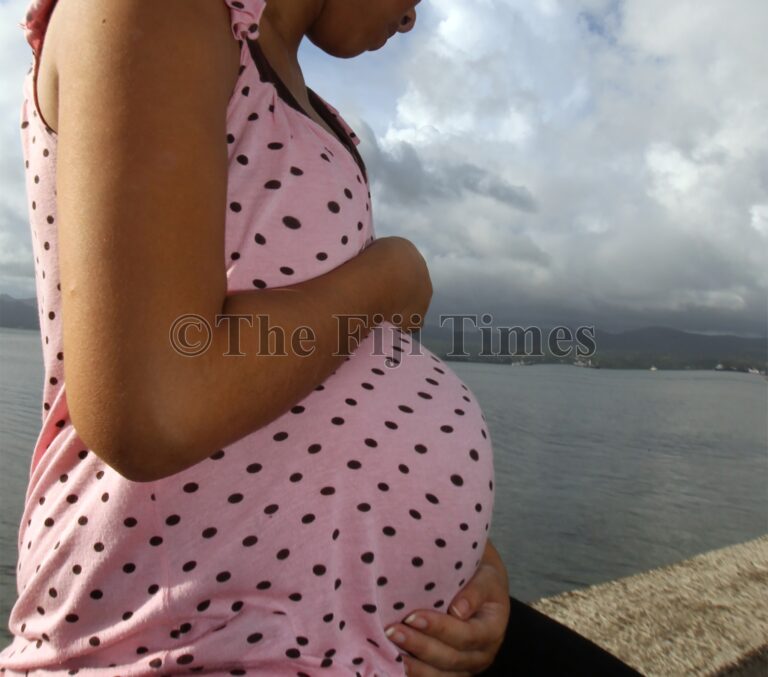
The revelation that about 850 teenage pregnancies were recorded last year is cause for concern.
Fiji Police Force data confirms that 17 girls under the age of 15 were among the cases, a reminder of the vulnerability of our children, and of the hard truths we continue to grapple with as a society.
These figures confirm the extent of sexual activity, exploitation, violence and potential abuse affecting school-aged children. It is a scenario that demands our attention.
Even more worrying is this year’s trend: within the first six months alone, eight girls under 15 gave birth, while 481 girls between 15 and 18 became mothers.
These numbers cut to the very heart of parenting, responsibility, and the safety of our children. They raise painful questions about supervision, protection, and the environments in which many of our girls are growing up.
Speaking at the opening of a symposium, Minister for Women, Children and Social Protection Sashi Kiran stressed that these statistics represent more than just a health and welfare crisis. They are a clear indication of statutory sexual offences involving minors. Her reminder was apt: “These are children who should be in classrooms, not delivery wards.”
She called for stronger community oversight and more effective reporting mechanisms, highlighting the need to break the silence surrounding exploitation.
Ms Kiran expressed concern that many cases linked to abuse remain unreported because of stigma, fear of retaliation, and family pressure to stay quiet. This silence, she said, is often compounded by cultural norms that discourage disclosure, especially when the perpetrator holds a powerful role, or who may be a family breadwinner, a leader, someone the community is reluctant to confront.
The symposium, she emphasised, serves to encourage open dialogue on child sexual abuse, raise awareness, and end the stigmatisation of victims and survivors.
The confirmed figures reflect not only the scale of the problem, but the magnitude of the challenge before us. This issue strikes at the core of family life, demanding that we re-examine the safety nets meant to protect our young girls. It forces us to reconsider our approach to parenting and guardianship, and the level of daily supervision we provide.
This should also sharpen our focus on the emerging pressures of internet access, mobile devices, and unsupervised online activity.
In many households, children now have access to the digital world long before parents understand the risks.
The challenge is no longer just about monitoring behaviour outside the home but also the virtual environments children navigate.
How much freedom do we allow? How well do we understand what they are exposed to? These questions matter.
Part of the solution may lie in renewing and expanding meaningful engagement opportunities for children. It may mean creating safe, constructive spaces that foster confidence, discipline, and community belonging.
From after-school classes, language lessons, and judo or other martial arts training, to sports such as soccer, rugby, or swimming, to reading clubs, library membership, or community clean-up program, the options are wide.
What matters is that we commit to such involvement and actively empower our children to participate, learn, and lead.
Teenage pregnancy is a window into the environments we create, the conversations we avoid, and the responsibilities we share.
Protecting our children must rise above convenience, cultural discomfort, or silence. It requires courage, unity and strong action!

