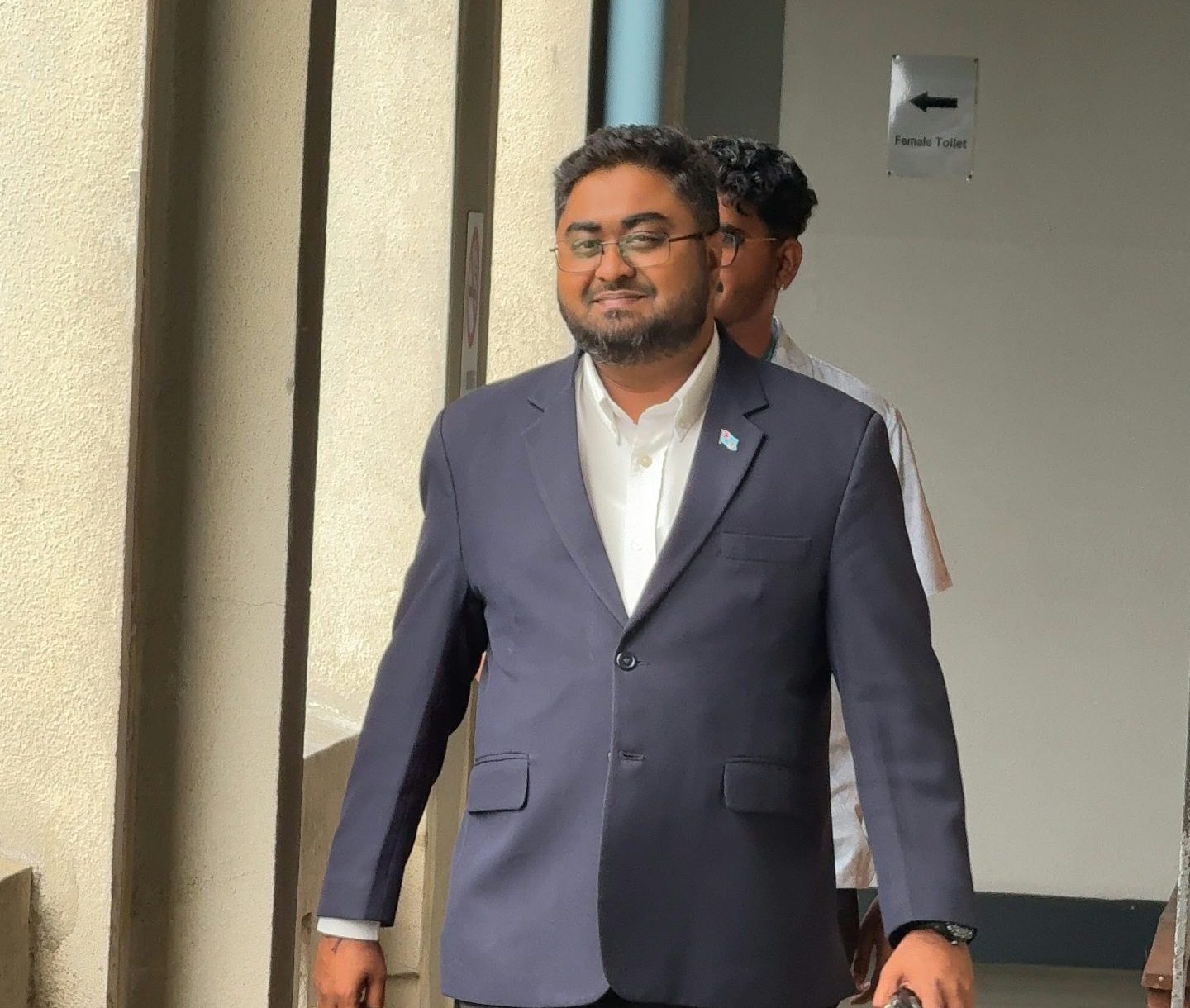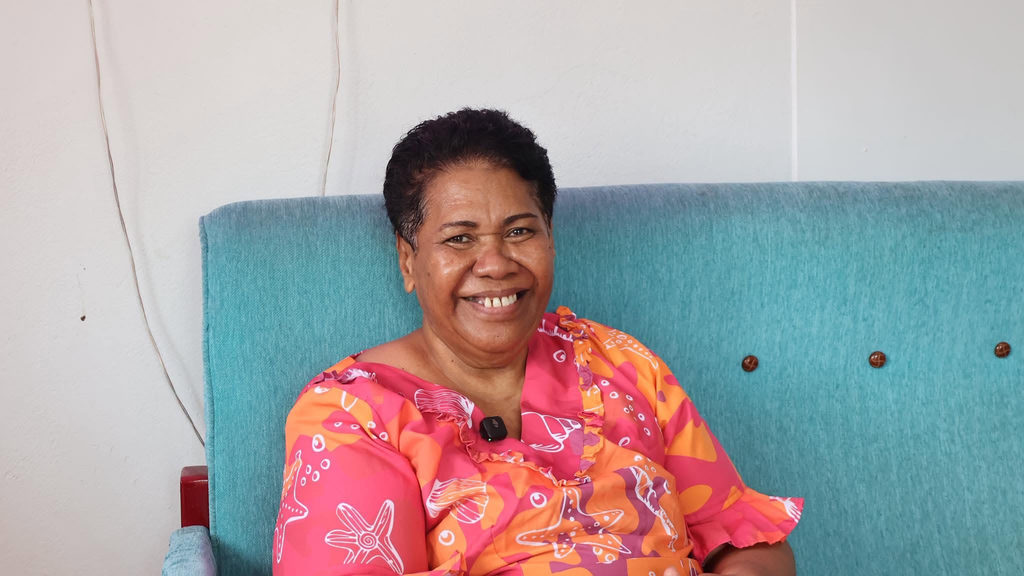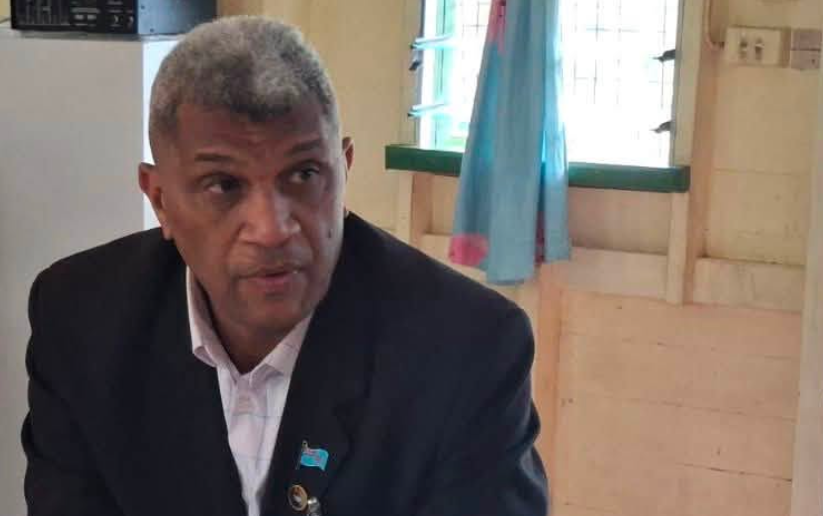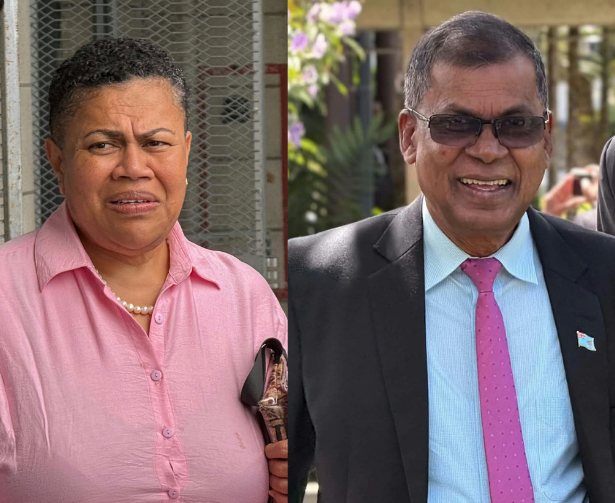
Minister for Foreign Affairs Sakiasi Ditoka says Defence Minister Pio Tikoduadua bore much of the responsibility for ensuring a stable transition of power following the Coalition Government’s historic election victory in December 2022.
In a social media post reflecting on the country’s political transition, Ditoka said many people had forgotten how uncertain and fragile the situation was after Fiji’s first genuine change of government in almost two decades.
“What many people seem to have forgotten is just how fragile the situation was following the Coalition’s victory in December 2022,” Ditoka said.
“Looking back now, it is easy to assume that the peaceful transfer of power was inevitable. It was not.”
The former military officer said the transition came after 16 years under a single administration, creating uncertainty across state institutions and the broader political landscape.
“After sixteen years under one administration, Fiji was entering unfamiliar territory,” he said.
“There was uncertainty throughout the system. Rumours were everywhere. Emotions were running high. Nobody knew with absolute certainty how every institution of State would react to the first genuine change of government in almost two decades.”
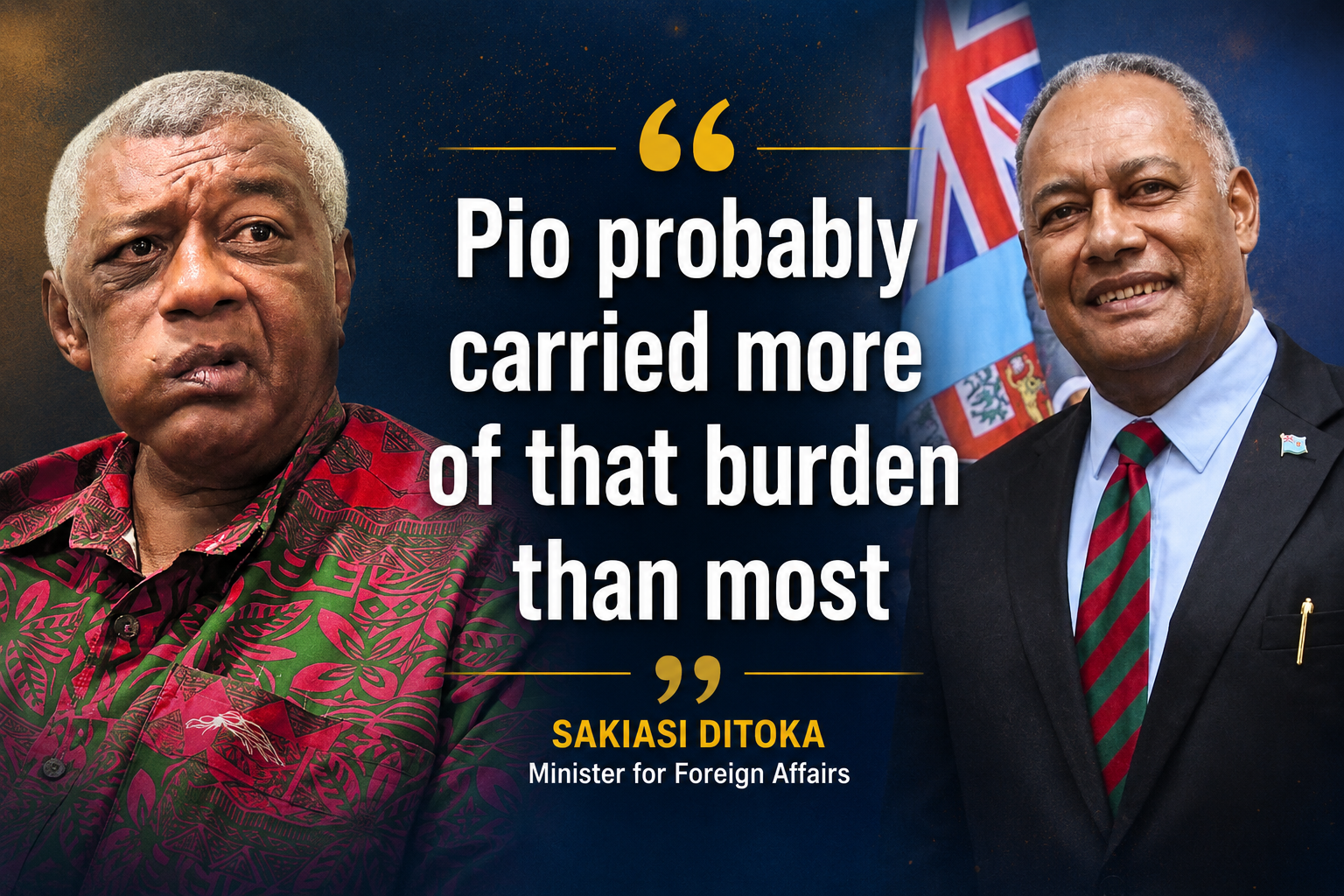
Ditoka singled out Defence Minister Pio Tikoduadua, saying the Defence portfolio was central to managing many of the sensitivities surrounding the transition.
“Pio probably carried more of that burden than most because Defence sat right at the centre of many of the sensitivities surrounding the transition,” he said.
The comments come as Tikoduadua has increasingly found himself at the centre of public debate over constitutional reform, immunity provisions and civil-military relations.
According to Ditoka, senior leaders remained acutely aware throughout 2023 and much of 2024 that the transition needed to be managed carefully to avoid destabilising the country.
“For much of 2023 and well into 2024, there was a constant awareness that things needed to be handled carefully,” he said.
“We were not operating in a textbook. We were dealing with real institutions, real people and real consequences.”
Ditoka described the pressures facing government leaders during that period as akin to living under a “sword of Damocles” — a reference to a constant threat hanging overhead.
“To put it bluntly, there was a sword of Damocles hanging over all of us,” he said.
He stressed that the cautious approach adopted by the Coalition Government did not reflect a lack of faith in democracy, but rather a recognition of the risks involved in navigating Fiji’s delicate political landscape.
“Not because we doubted democracy. Not because we lacked confidence in constitutional government,” Ditoka said.
“It was because we understood that one careless move at the wrong time could create problems that would take years to undo.”
Ditoka’s comments provide a rare glimpse into the pressures faced by the Coalition Government during the transition period and underscore the continued sensitivity surrounding Fiji’s political institutions more than three years after the 2022 election.