
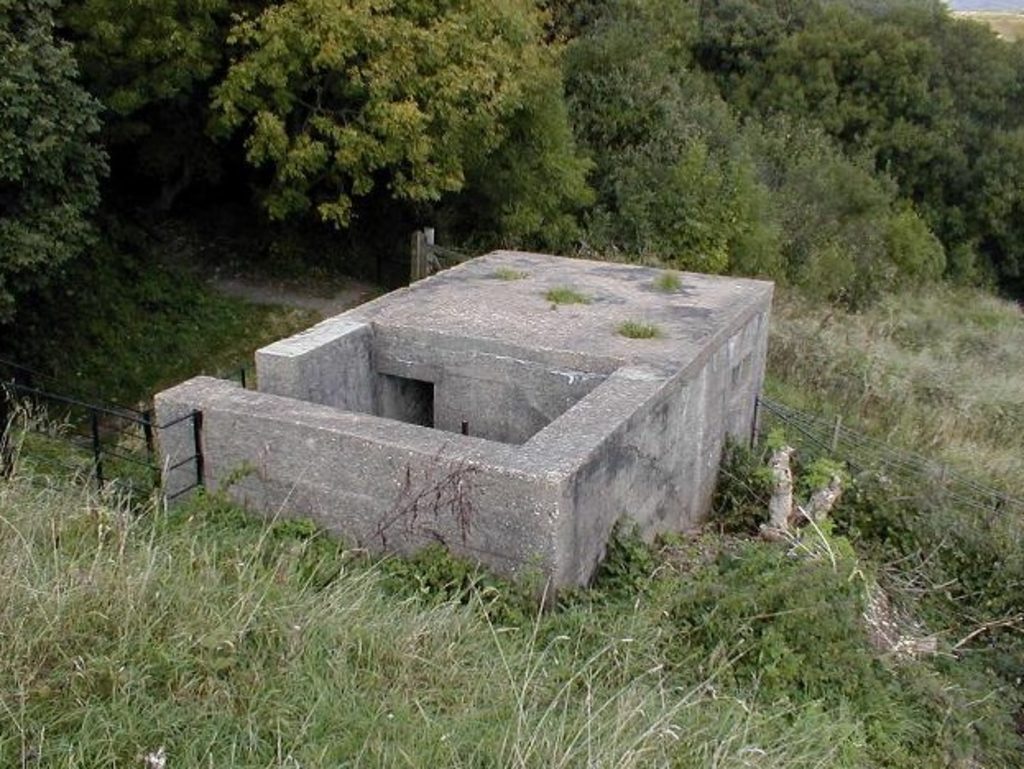
More than 80 years after World War II swept across the Pacific, the crumbling remains of a wartime structure still stand in the remote highlands of Ra – a WWII ruin believed to be a medical outpost in Nubumakita Village.
The ruin is one of few physical reminders of military presence deep inland.
Hidden deep in the forested hinterland of Viti Levu, where the old tracks wind through thick bush and memory travels mostly by word of mouth, the remains of a World War II structure still stand.
Oral history keeps story alive
Fragments of crumbling dense concrete walls and slabs are all that remain of what elders say was once a medical outpost built by American soldiers during the Japanese invasion of the Pacific.
Sitiveni Waqa, the Qase ni Turaga (senior traditional title) of Nubumakita Village, carries these stories with convicted certainty, passed down orally through generations.
“We believe that the hospital was constructed by American soldiers during World War II,” he said.
“We were told by our elders that the medical outpost or hospital was constructed by them when they set up their camp in the village after leaving Nadarivatu.”
According to village accounts, the site is believed to be the first facility built during WWII in the highlands of Ra.
Elders recount that the outpost was established in Nubumakita before it relocated to Vunidawa in Naitasiri, suggesting a shifting military presence as operations died down and changed to serve local communities.
Remains withstand time
Today, the structure stands in partial ruin. Only the flooring remain intact.
One wall has collapsed over time, while three others still stand, holding their ground against decades of rain, wind, and encroaching vegetation.
“As a young boy growing up in the village, the only thing that remained is the concrete walls,” Mr Waqa said.
The scale of the site, villagers believe, points to something larger than a temporary stopover.
Oral histories suggest that a significant number of soldiers were stationed in Nubumakita, making it one of the biggest montane camps set up in the area at the time.
“We were told that a lot of the American soldiers were stationed here, so it made it one of the biggest camps to be set up by them,” he said.
“We don’t know how many of them were here or for how long, but we were told it was one of the biggest camp sites then.”
The soldiers are believed to have travelled from Nadarivatu along the old Tuleita track before settling in Nubumakita.
That track still exists today, running beside the ruins, a narrow path once used for movement through the highlands but now can only be accessed by horseback or by walking.
“We were told that they had set up camp here and then they built the structure believed to be a hospital.”
Traces of wartime technology
Beyond the concrete remains, there are other traces, smaller, more fragile pieces of evidence that hint at the presence of wartime technology.
Mr Waqa recalls seeing fragments of wire as a boy, tangled among tree branches.
“They likely used RT or radio technology when they were stationed here,” he said.
“As a boy, we saw pieces or fragments of wires that were on tree branches or has intertwined with a tree.
Trees have thickened and risen, some now towering over the ruins. Within them, pieces of old wire can still be found, embedded or draped, quietly marking where communication lines once ran.
It is believed that soldiers and radio operators strung wire antennae between trees, sometimes extending up to 50 feet to elevate signals and improve transmission range.
During WWII, radio technology was a crucial component of mobile communication networks, enabling coordination across remote and rugged terrain like that of inland Ra.
Still part of village life
Despite its age and decay, the WWII site remains part of village life.
The people of Nubumakita continue to care for it, recognising its place within their history.
“Today the village cleans up the old hospital ruins as it’s within the village boundaries,” Mr Waqa said.
“Every time there is a village clean-up, villagers would clean up the old site.”
At one point, the structure even found a new, practical use.
With parts of the walls still intact, villagers placed roofing iron over the top and used it as storage area for the church.
While villagers believe the structure may have served as a hospital during World War II, its dimensions suggest a different purpose.
The width and length are more consistent with a Type 23 pillbox, a British World War II – era fortified defensive structure designed for dual roles against both ground troops and aircraft.
According to the Pillbox Study Group, a Type 23 pillbox is typically a rectangular concrete bunker featuring a roofed firing chamber for machine guns, along with an attached open-roofed section intended for a light anti-aircraft weapon.
These structures were commonly positioned to protect strategic locations.
History anchored in place
Although no official records confirm the full history of the site, the combination of physical remnants and oral tradition continues to anchor its story.
In a remote part of Fiji where written documentation is scarce, memory and landscape work together to preserve the past.
What remains in Nubumakita is more than just broken concrete.
It is a silent marker of a time when global conflict reached even the most isolated corners of Fiji, leaving behind traces that has endured time.
- History being the subject it is, a group’s version of events may not be the same as that held by another group. When publishing one account, it is not our intention to cause division or to disrespect other oral traditions. Those with a different version can contact us so we can publish your account of history too — Editor.
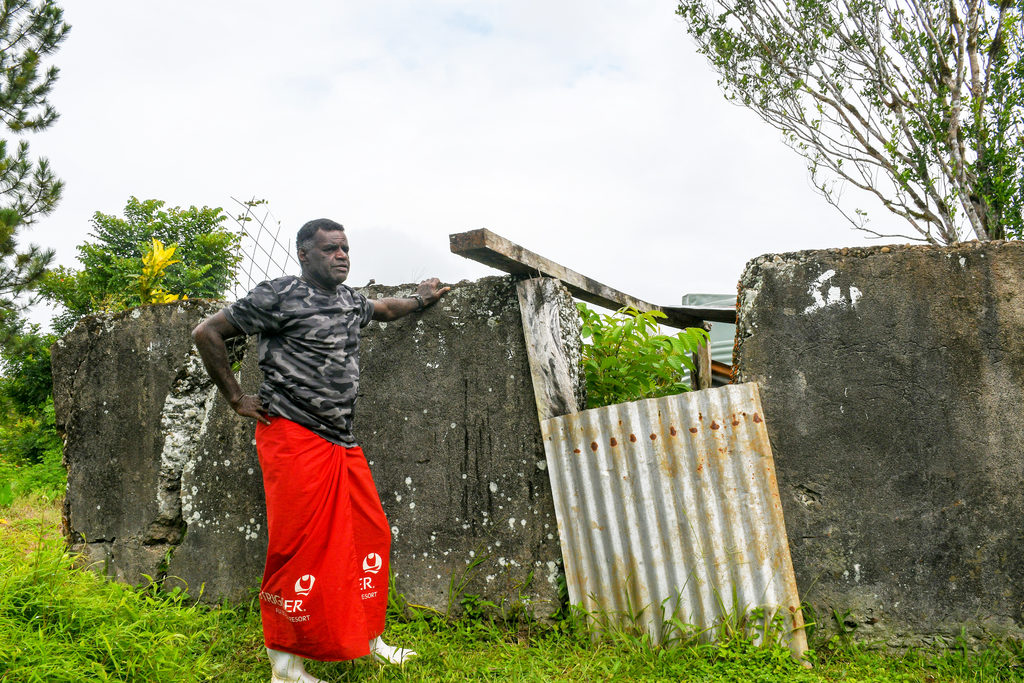
Sitiveni Waqa stands beside what is believed to be the ruin of a World War II-era hospital in Nubumakita Village in Nasau, Ra. Picture: LITIA RITOVA
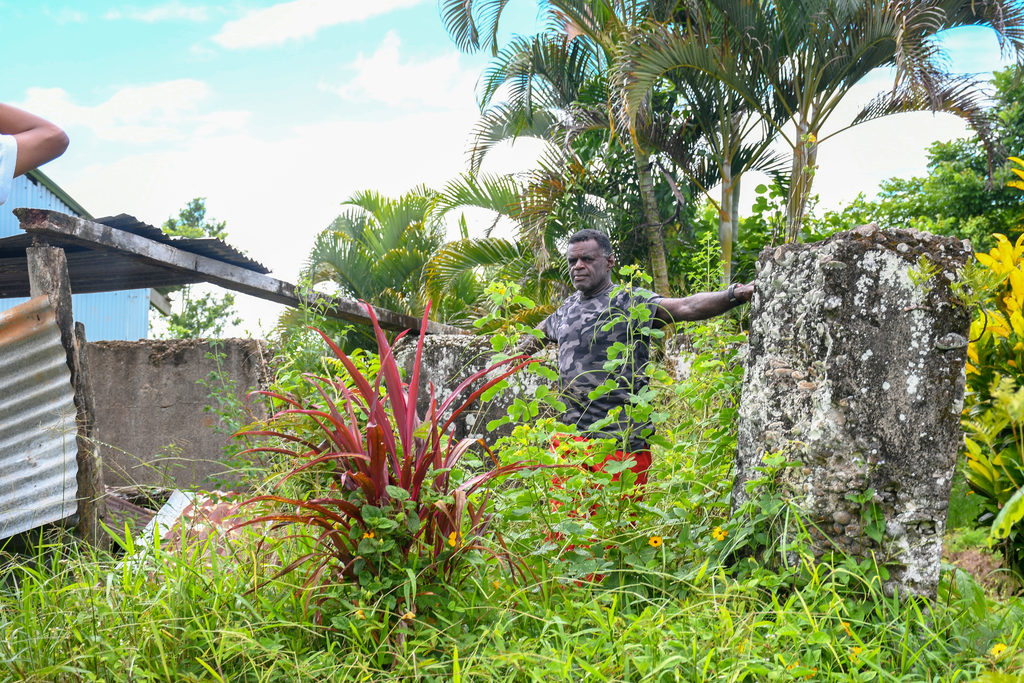
Sitiveni Waqa stands inside the remains of a World War II-era hospital built by American forces. Picture: LITIA RITOVA
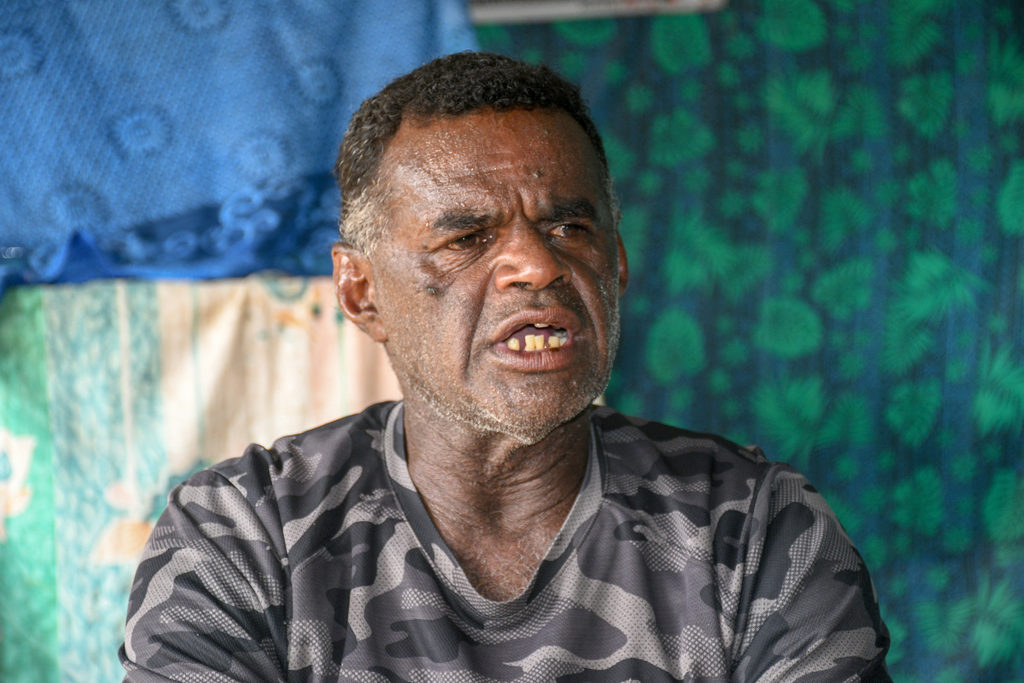
Sitiveni Waqa shares his stories about his elders during The Sunday Times visit to Nubumakita Village in Ra. Picture: LITIA RITOVA
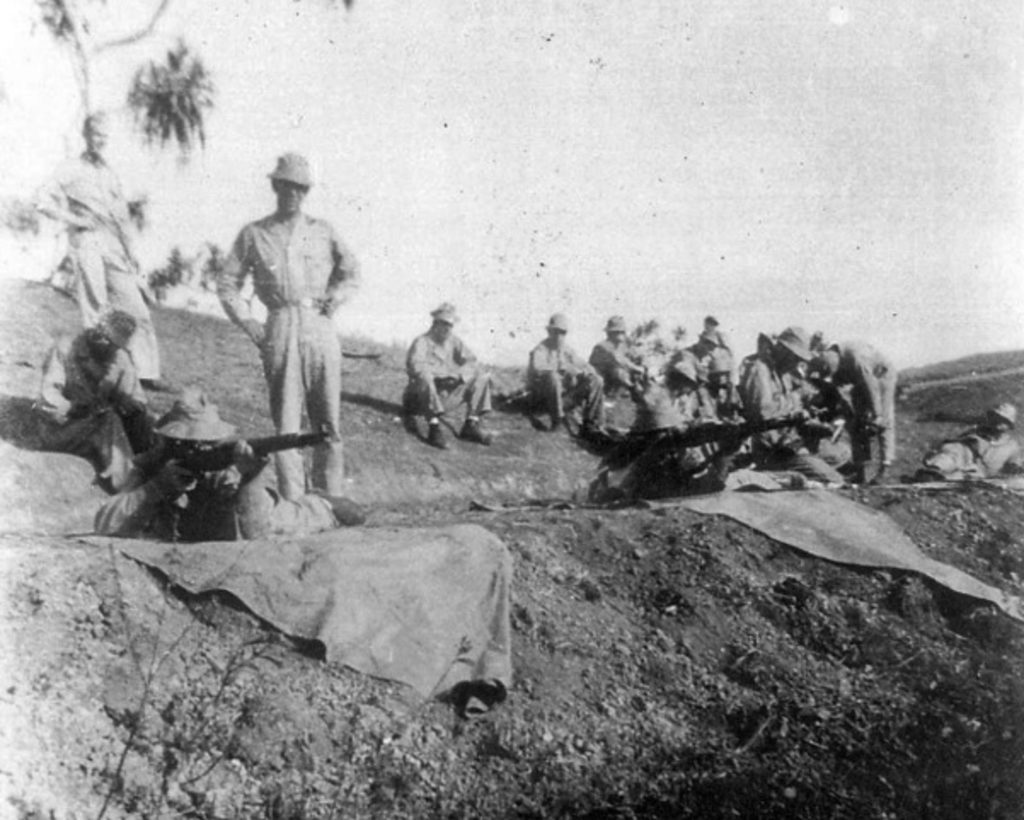
Soldiers of the 182nd Infantry practice marksmanship at a rifle range in Fiji. Picture: JACK MORTON COLLECTION/WWW.182NDINFANTRY.ORG
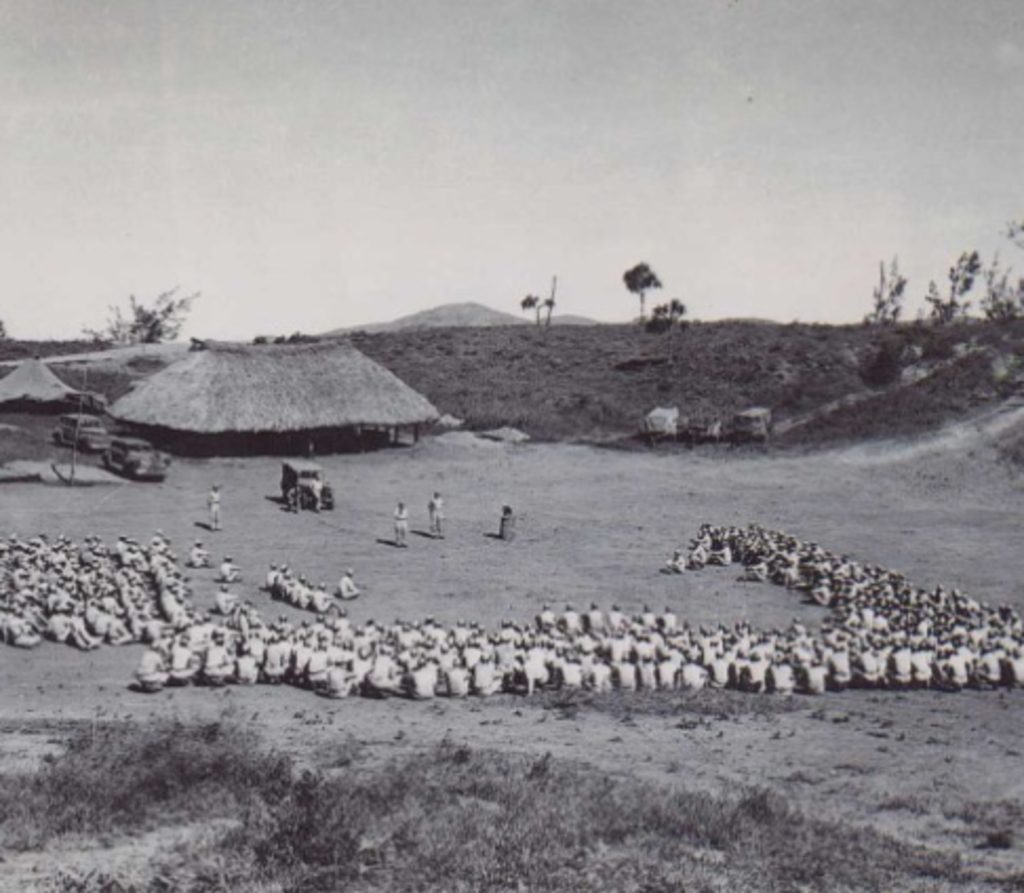
Major General John Hodge, commanding the Americal Division, addresses the 2nd Battalion of the 182nd Infantry in Fiji. Picture: NATIONAL ARCHIVES
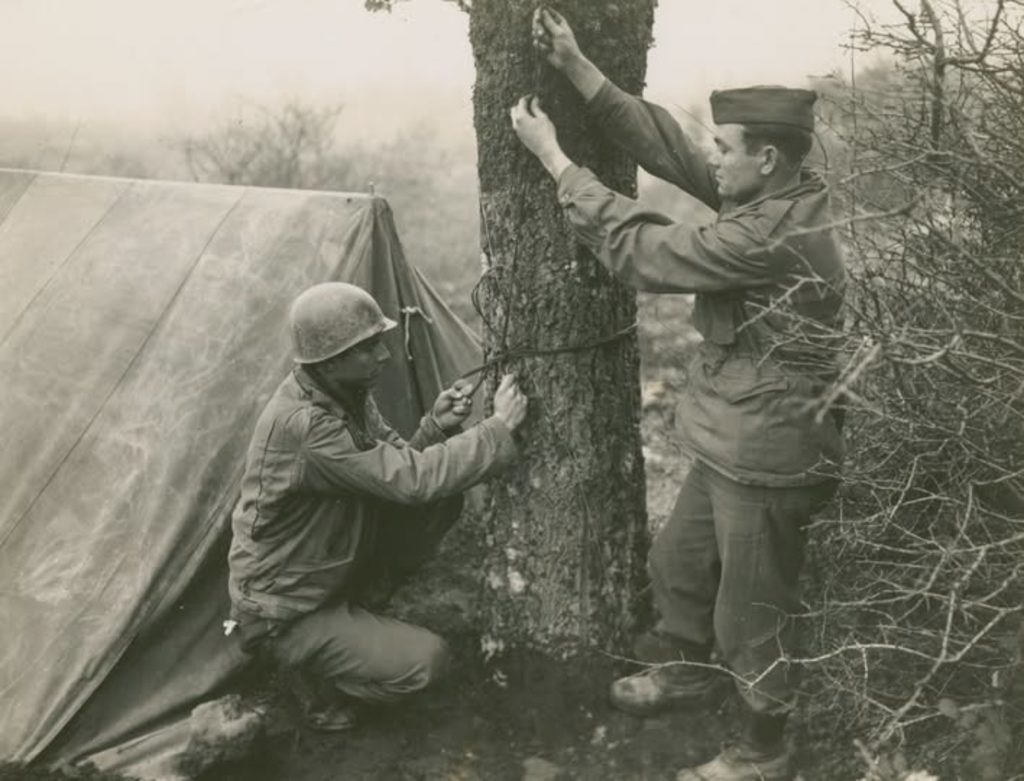
A crew from the 53rd Signal Battalion strings telephone wire to connect to the II Corps command post in 1944. Picture: The National WWII Museum
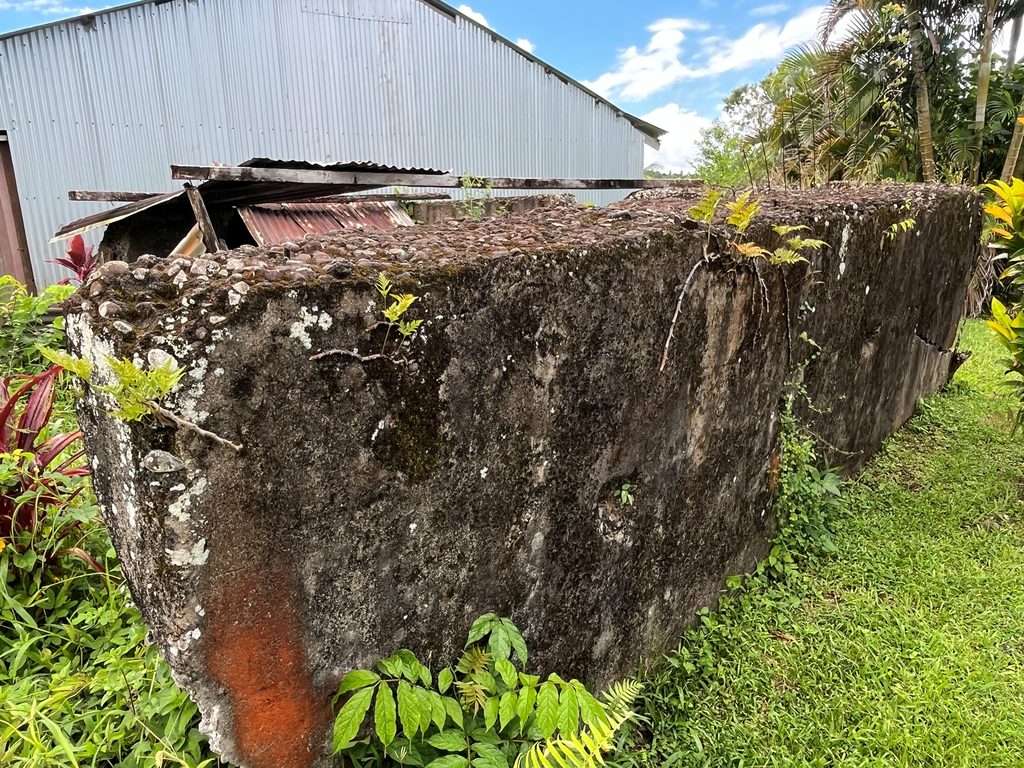
The side of the structure that’s still standing. Picture: ANA MADIGIBULI

