
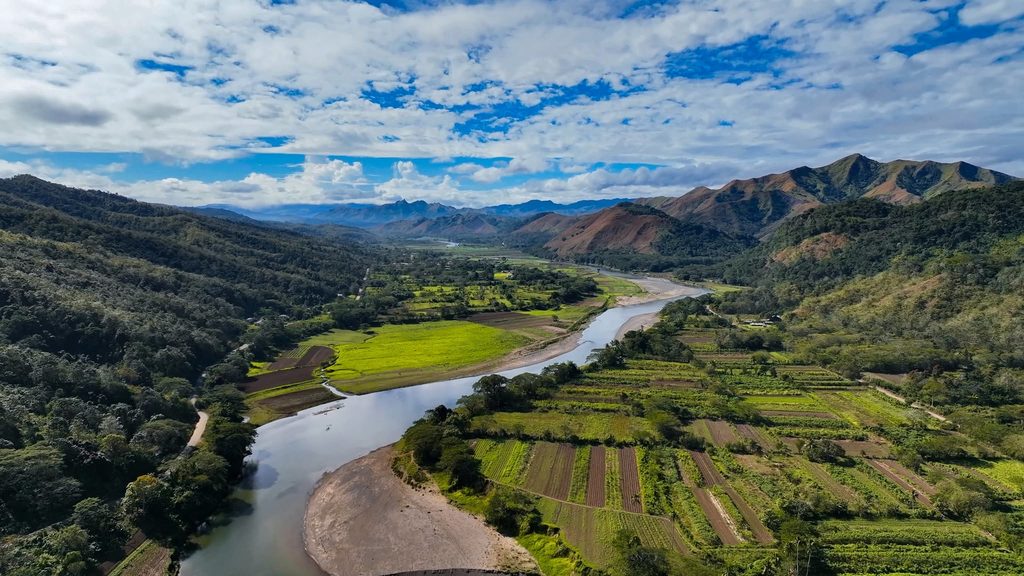
From sugar cane to vegetables, families continue a tradition that sustains Fiji’s economy and fills dinner tables across the country.
AT the first light of dawn stretches across the fertile plains of the Sigatoka Valley, farmers make their way into the fields while the Sigatoka River winds steadily through the landscape it has nourished for generations.
Along its banks, rows of cabbages, eggplants, cassava and long beans glisten beneath the morning sun.
For decades, this valley has been known as Fiji’s “Salad Bowl”, a title earned through the hard work of thousands of farmers who have transformed its fertile soil into one of the nation’s most productive agricultural regions.
While crops and industries have changed over time, one thing has remained constant – the people who continue to work the land.
Generation after generation, farming families have carried forward traditions that not only feed communities across Fiji but also contribute significantly to the nation’s economy.
Their stories are woven into the identity of Sigatoka Town itself.
A legacy rooted in the soil
Among those continuing that legacy are Vimal Prakash Chand and his brother, second-generation farmers from Raunitogo, Valley Road.
Every week, the brothers supply fresh vegetables to the Sigatoka Market, maintaining a family tradition that began more than 50 years ago.
Their story started in the 1950s when their father left Ba and moved to Sigatoka in search of better opportunities.
Originally a sugarcane farmer, he recognised the agricultural potential of the valley and began cultivating vegetables.
“When my father started farming here, he planted cabbages, eggplant and okra,” Chand said.
“We learnt from him little by little. Farming became part of our life.”
As a young boy, Chand spent his afternoons helping his father weed gardens, clear land and prepare fields for planting.
At just 10 years old, he was already learning lessons that would shape his future.
Today, more than three decades later, those same lessons continue to guide him.
Alongside his brother and with support from their families, Chand still grows many of the same crops his father planted when he first settled in Sigatoka – cabbages, eggplants, okra and cowpeas.
The routine is demanding.
Days begin before sunrise and often end long after the heat of the afternoon has faded.
Yet for Chand, farming remains more than a source of income.
It is an obligation.
“We continue because this is what our family knows,” he said.
“Our father worked hard to build this life, and we want to keep it going.”
His story reflects the experience of many farming families throughout the valley, where agricultural knowledge is passed from one generation to the next. Aside from farming, the Chands are renown bhajan singers, another traditional skill they learned from their forefathers.
Adapting to new demands
Further along the valley, Susana Tuiyauyau and her husband represent a new generation of agricultural entrepreneurs adapting to changing consumer demands while protecting productive farmland.
The pair took over a farm in the Sigatoka Valley earlier this year. Since then, their days have revolved around planting, harvesting and preparing produce for market.
For Tuiyauyau and her husband, success requires both hard work and flexibility.
Cassava remains one of the family’s main crops, but they have expanded into vegetables including eggplants, long beans and capsicum to meet market demand.
Among those crops, eggplants have become one of their strongest sellers.
“The market changes all the time,” she said.
“You have to pay attention to what people are buying and be prepared to grow different crops when necessary.”
Her approach reflects the evolving nature of farming in the valley.
While traditional crops continue to play an important role, many farmers have diversified production to ensure stable incomes and reliable supplies for consumers.
The ability to adapt has become increasingly important as weather conditions, transportation costs and market demands continue to shift.
Yet despite these challenges, farmers remain committed to ensuring fresh produce reaches homes, markets and businesses across Fiji.
The heartbeat of Fiji’s ‘Salad Bowl’
Close by beside the Sigatoka River, 48-year-old Rohit Raj walks through farmland that has been in his family for generations.
The rich soil beneath his feet has shaped his life from childhood.
It is the same land his grandparents farmed, the same land that provided opportunities for his parents, and the same land that now supports his own family.
For Raj, farming is inseparable from identity.
“This land has always been part of our family,” he said.
“It has looked after us for generations, and we continue looking after it.”
His connection to the land mirrors that of countless families throughout the valley.
They are custodians of knowledge accumulated over decades, understanding seasonal patterns, soil conditions and farming practices that cannot easily be learned from books.
At the same time, they continue adapting to modern agricultural realities.
Every truckload of vegetables leaving Sigatoka contributes to local markets, supports businesses and strengthens Fiji’s food security.
The vegetables help stock market shelves, supply restaurants and feed thousands of families every day.
Without the valley’s farmers, Fiji’s food supply would look very different.
Protecting the valley for future generations
While the valley’s reputation has been built on productivity, increasing attention is also being placed on protecting the natural resources that make farming possible.
Years of intensive cultivation have highlighted the importance of sustainable farming practices, particularly along the banks of the Sigatoka River, where soil erosion and changing weather patterns pose growing challenges for farmers.
Across the valley, many growers are adopting methods aimed at improving soil health and protecting waterways.
Crop rotation, responsible use of fertilisers and the maintenance of vegetation along riverbanks are becoming increasingly important as farmers work to preserve the fertility of the land for future generations.
Supporting these efforts is the Sigatoka Research Station, one of Fiji’s leading agricultural research facilities. For decades, the station has played a critical role in developing improved crop varieties, conducting field trials and providing technical support to farmers throughout the country.
Researchers work closely with farming communities to identify crops that can better withstand pests, diseases and changing climatic conditions.
Their findings help farmers improve yields while reducing environmental impacts and production costs.
The station has also contributed to research on sustainable farming systems, helping ensure that the valley’s agricultural success can continue without compromising the health of its soil and water resources.
Together with researchers, agricultural officers and local communities, they are ensuring that the valley remains both productive and sustainable.
Their labour feeds communities, strengthens the economy and protects a way of life deeply rooted in the land.
It is this enduring partnership between people and innovation that has made Sigatoka more than just an agricultural centre.
It has made it Fiji’s proud Salad Bowl, a valley that continues to nourish a nation while safeguarding its future.
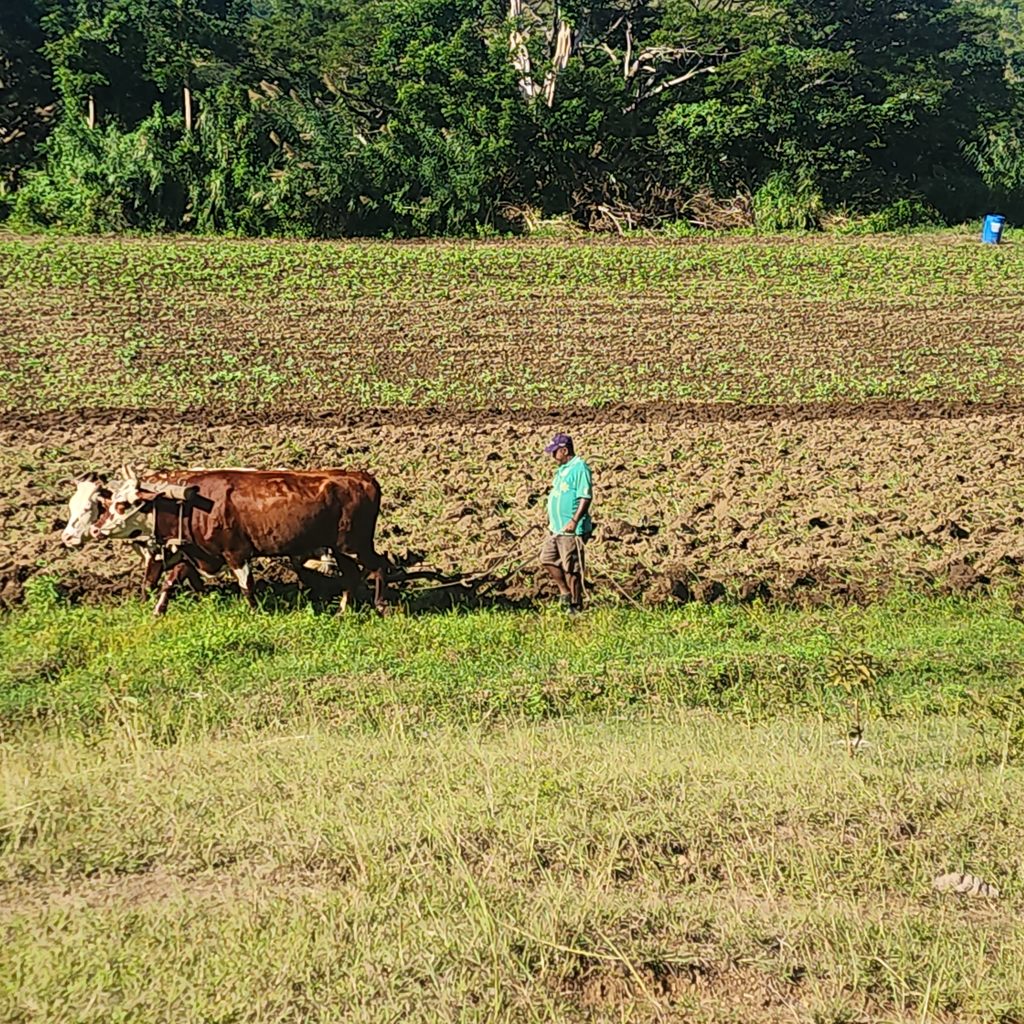
A Sigatoka Valley farmer prepares his land for planting through the traditional use of bullocks for ploughing and harrowing. Picture: JOHN KAMEA
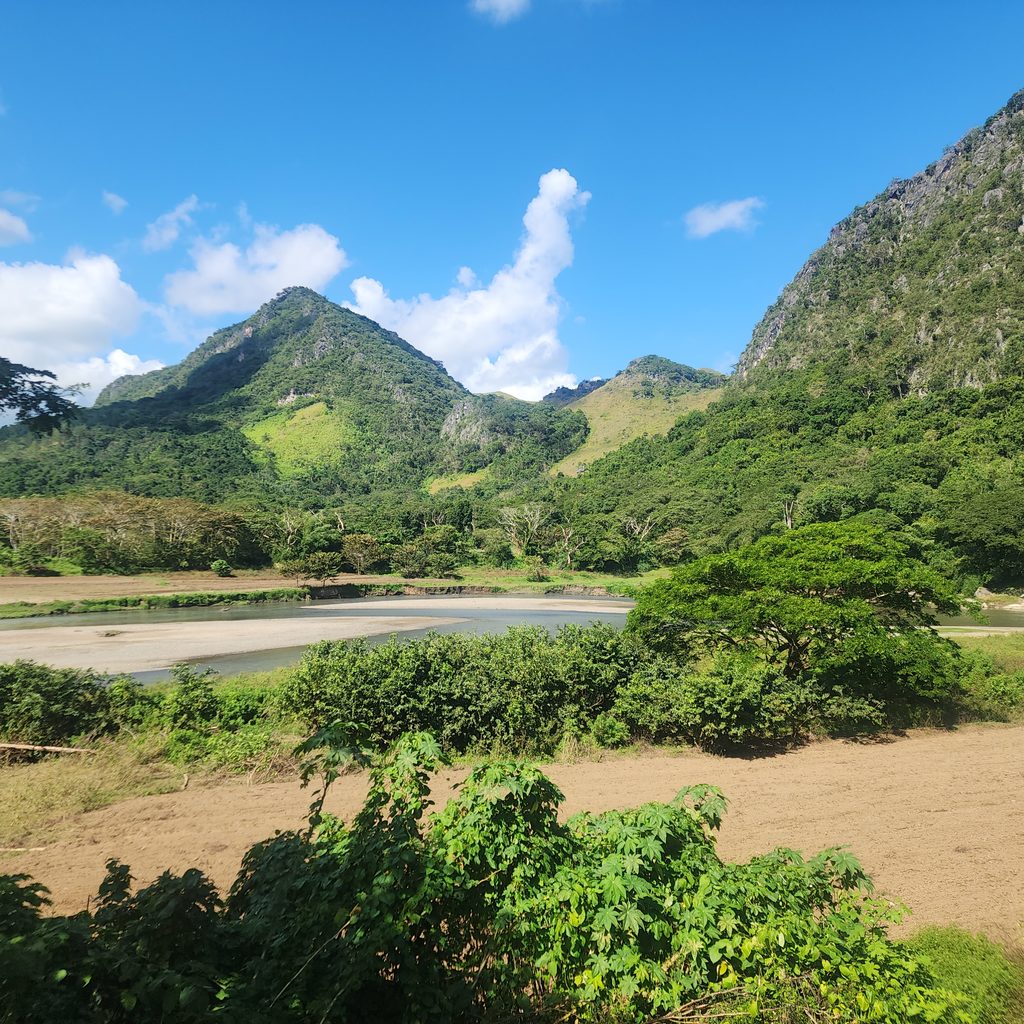
On both sides of the nourishing river, arable land is cleared for subsistence and commercial farming. Picture: JOHN KAMEA

