

NESTLED on the banks of the Sigatoka River and surrounded by magnificent mountains and valleys, Sigatoka has long been regarded as the agricultural heartland of Fiji.
Today, it proudly carries the title of the “Salad Bowl of Fiji”, a reputation built over generations of hard work, fertile land and farming families whose dedication continues to feed the nation.
According to the Sigatoka Town Council, Sigatoka was originally known as “Tubaniwai” during the times of tribal warfare before it was renamed Nasigatoka.
Looking back through history, the region was described as lively, with a unique environment shaped by the majestic rivers and mountains that define the valley today.
The history of settlement in Sigatoka dates to 1000 BCE when indigenous tribal chiefs occupied the area.
The rise of agriculture
During Fiji’s colonial period, European settlers explored the district, paving the way for economic development that would eventually transform the region into one of the country’s most productive agricultural centres.
Located about five kilometres from the mouth of the Sigatoka River, the town grew from a small settlement known as Lasilasi.
Agriculture played a central role in its growth and development.
In the early 1900s, the Colonial Sugar Refinery (CSR) expanded cane farming from its Lautoka Sugar Mill into the Sigatoka district.
At the time, there were no roads connecting the area. To support the growing sugar industry, a railway was constructed between Nadi and Cuvu from 1910 to 1914.
Following the picturesque coastline, the railway became a vital transport link for farmers and settlers.
Building the agricultural hub
The growth of farming in Sigatoka also influenced the development of the town itself.
Fiji’s oldest supermarket, Morris Hedstrom, was established to serve local sugar cane farming settlers and government officials.
Supplies arrived by boat from Suva to the Sigatoka River Jetty.
Agricultural expansion on both sides of the Sigatoka River was further supported by the opening of an 810-foot timber-decked railroad bridge in 1913.
The bridge linked cane farming areas on the eastern bank with communities on the western side, making it easier to transport crops and supplies.
Although severe flooding and hurricanes damaged the bridge over the years, it remains a visible landmark and an enduring symbol of Sigatoka’s agricultural heritage.
The valley’s rich soils have supported a variety of crops over the decades.
According to a Pacific Islands Monthly article published on May 21, 1935, agricultural researcher R.R. Anson spent several years experimenting with cotton plants in Sigatoka on behalf of the Cotton Growing Association.
His work led to the development of a new variety of cotton believed to be particularly suited to Fiji’s conditions, highlighting the district’s role in agricultural innovation.
The banana boom years
The region also played a major role in Fiji’s banana industry.
A Fiji Times article published on June 7, 1957, noted comments by Sir Hugh regarding the value of banana production.
He recalled that the Fiji Banana Company, headquartered in Sigatoka, grew bananas across a vast area stretching from Sabeto to near Navua.
The company exported up to one million bunches of bananas annually, while other European growers operated large plantations throughout the region.
While crops and industries have changed over time, one thing has remained constant, the people who continue to work the land.
Suki farming
The Sigatoka Valley and the adjoining highlands of the Navosa region provide the perfect climate for growing tobacco.According to the report, Suki and tobacco use
among the iTaukei
people of Fiji, when the Indian Tamil indentured labourers came to Fiji, they brought tobacco seedling plants with them.
“Over time they taught the iTaukei how to grow, cure and chew or smoke the plant. This tobacco came to be known as “suki” or native tobacco,” the report noted.
Suki is air dried, rather than barn cured. It is then rolled into a black rope of tobacco known as “Fiji Twist”. The rope is then wound into a large bundle or roll as shown in the opposite photo.
“At first suki was used only by men, but at some time in recent years women also began to smoke suki,” the report stated.
“Although suki has been used since its introduction to Fiji, until recently its consumption had been declining due to the shift to buying tobacco company factory-made cigarettes.”
New crops
For a very long time, vegetables and root crops were traditional yields in the Sigatoka Valley. However, today new crops are finding their way into the Salad Bowl, among them dragon fruits and pearl guavas.
Dragon fruits have not only found a home in Fiji but have also gained immense popularity, serving as a prime example of successful agricultural innovation and collaboration.
According to the Ministry of Agriculture, in Fiji dragon fruit farming has become an emerging industry and although wild dragon fruit can be found throughout the country, there was no commercial cultivation in the past, and it wasn’t available in the market.
Through partnerships in 2020, the Fiji Agriculture Research Institute partnered with a few technical partners to implement a nationwide orchard program to promote dragon fruit cultivation. Today, a handful of farmers in Fiji are engaged in promoting dragon fruit cultivation. The success of dragon fruit in Fiji is rooted in their exceptional quality, making them favorites among consumers..Dragon Fruit unlike other fruit plants is a good source of income during the rainy season.
Women in agriculture
Women are increasingly taking on leadership roles within the agricultural sector in the Sigatoka Valley.
Their contributions are vital to the success of local farming operations, from managing finances to overseeing crop production. Initiatives aimed at empowering women have led to significant improvements in both the quality and quantity of Sigatoka Valley produce. The Ministry of Agriculture and Waterways actively supports women farmers in the Sigatoka Valley to boost commercial agriculture, enhance food security, and increase income
Last year the ministry helped 59 women farmers in Sigatoka Valley with the tools, training, and support needed to grow more crops, boost exports, and increase income.
Embracing modern technology
While tradition plays a significant role in Sigatoka Valley, innovation is equally important in boosting productivity.
Many farmers are now incorporating technology to enhance crop management and boost efficiency.
Modern farming in the Sigatoka Valley is rapidly evolving, shifting toward climate-smart and tech-driven agriculture to boost yields.
Key advancements include commercial portable hydroponics, mobile app-based farm extension services, and improved mechanisation like mini-tractors and rain spray hose irrigation systems.
Carrying the legacy forward
Together, these farmers represent the backbone of Sigatoka’s agricultural success.
They are the custodians of knowledge passed down through generations, adapting to new challenges while preserving traditions that have sustained families and communities for decades.
From the early days of sugar cane farming and banana plantations to the vegetable farms that now line the fertile valley, agriculture remains at the heart of Sigatoka’s identity.
The mountains still stand over the valley, and the Sigatoka River continues to wind through its fertile plains.
And every morning, farmers return to their fields, carrying forward a legacy that has made Sigatoka not only the agricultural hub of Fiji, but the nation’s proud Salad Bowl.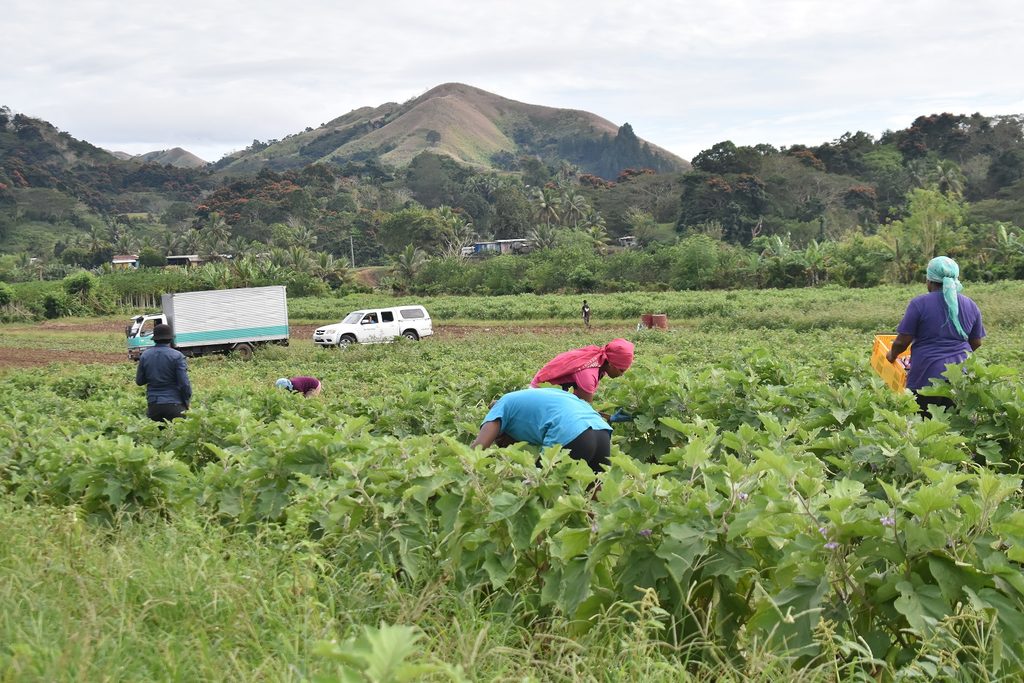
Nestled on the banks of the Sigatoka River and surrounded by magnificent mountains and valleys, Sigatoka has long been regarded as the agricultural heartland of Fiji. Picture: FILE
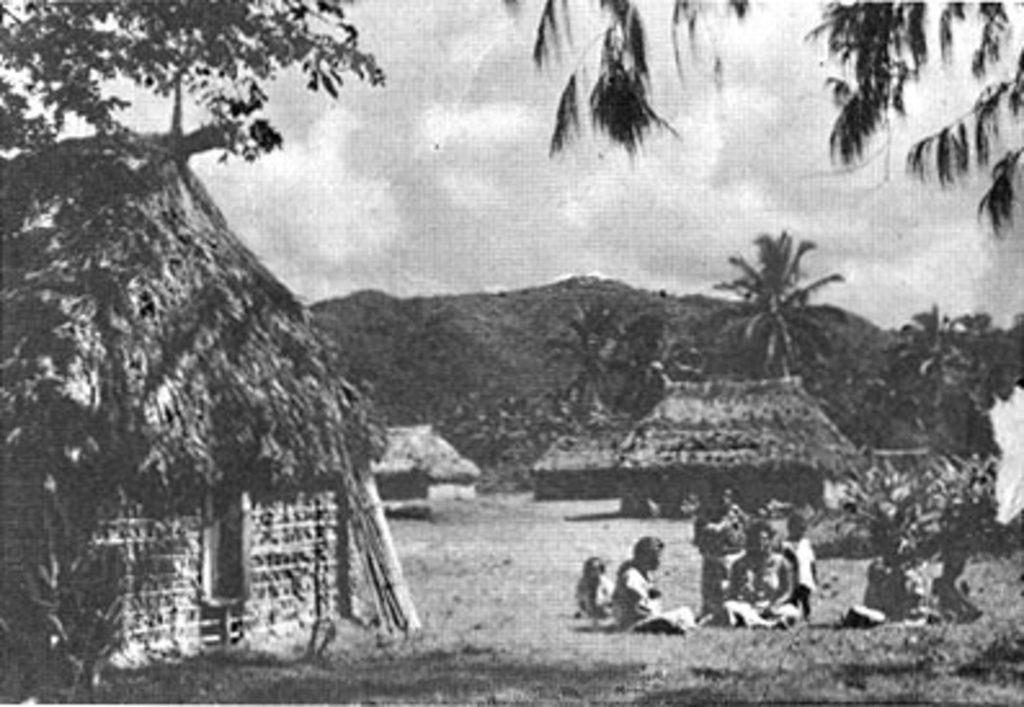
An old traditional village in Sigatoka. Picture: SIGATOKA TOWN COUNCIL
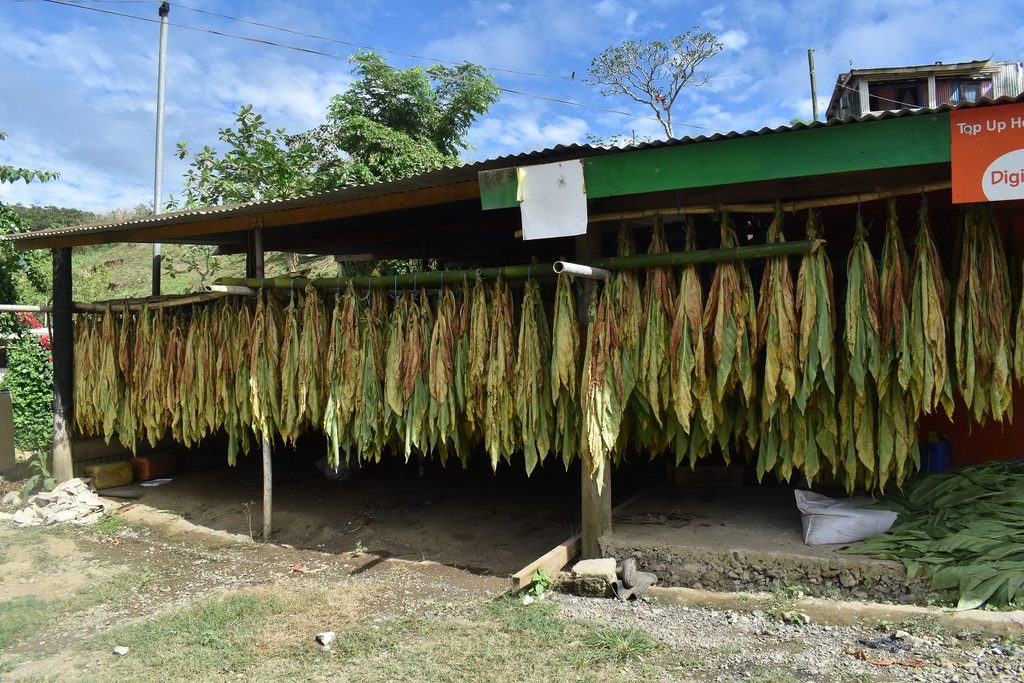
Tobacco leaves dried at a farmhouse in Sigatoka. Picture: FILE

A pawpaw farm at Raunitogo Valley Road, Sigatoka.
Picture: ANA MADIGIBULI
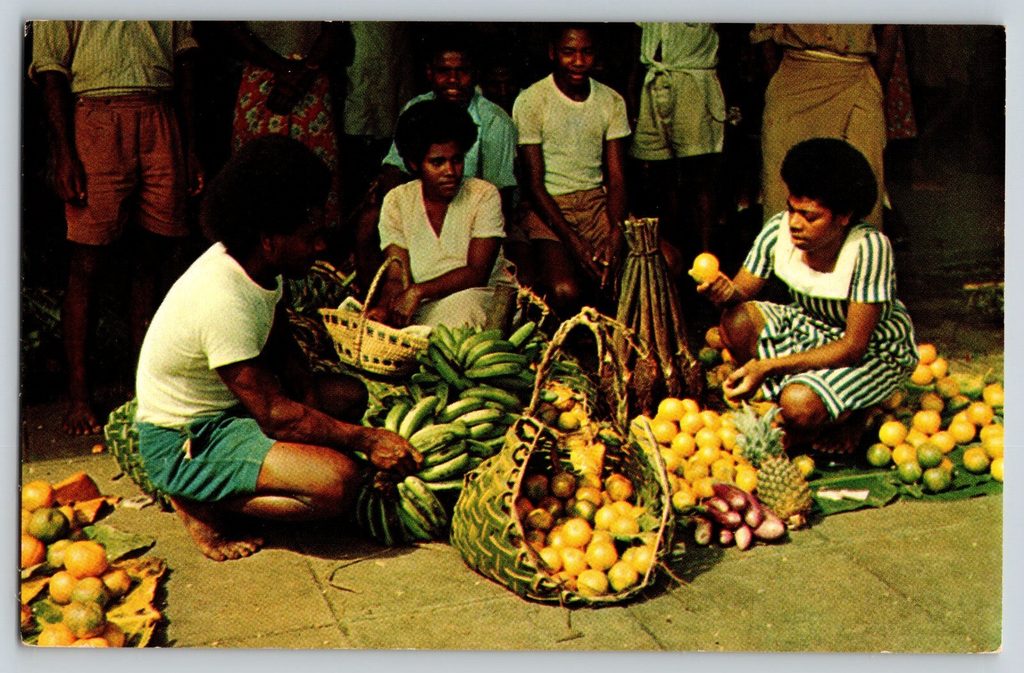
Produce from the Sigatoka Valley are often brought to the main markets to be sold.
Picture: THE CLASSIC COLLECTION
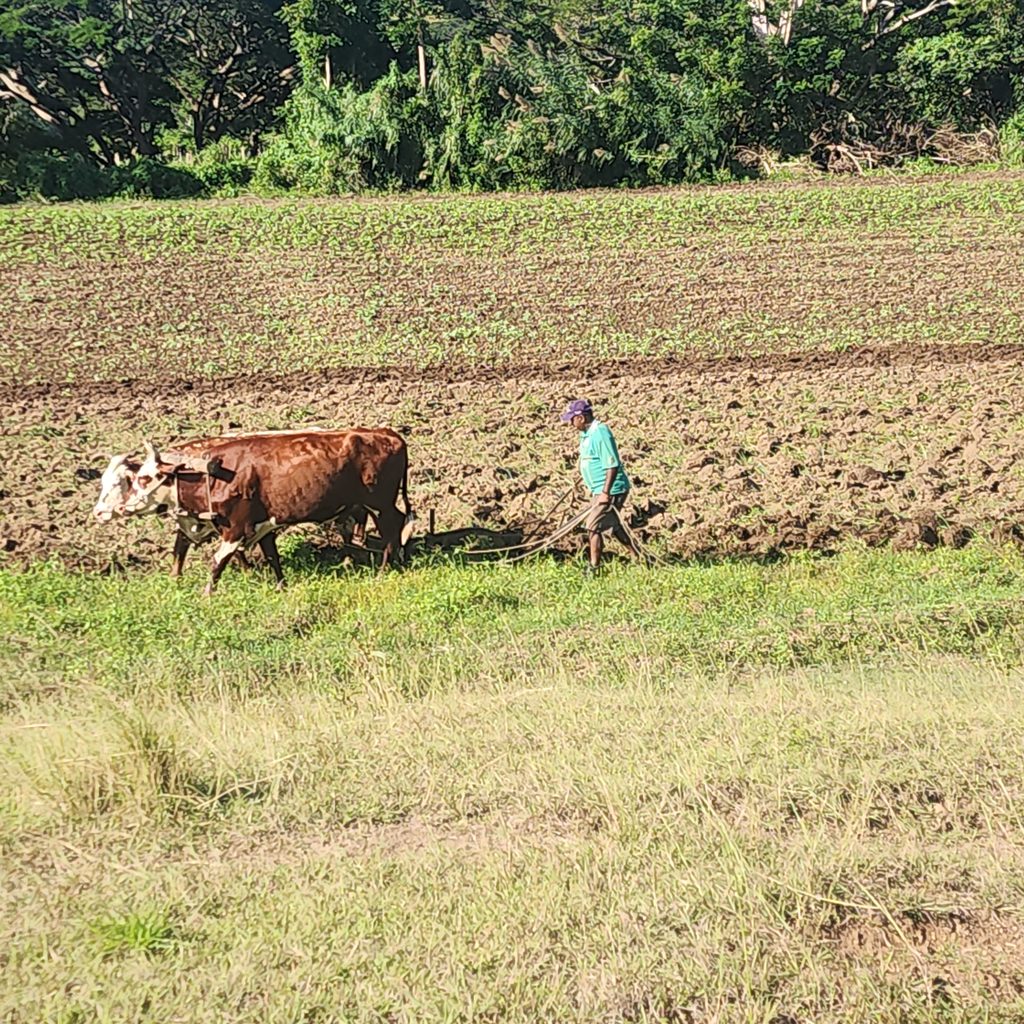
A farmer ploughs his field in the Sigatoka Valley.
Picture: JOHN KAMEA

