
World War II, from 1939 to 1945, was a transformative period for Fiji
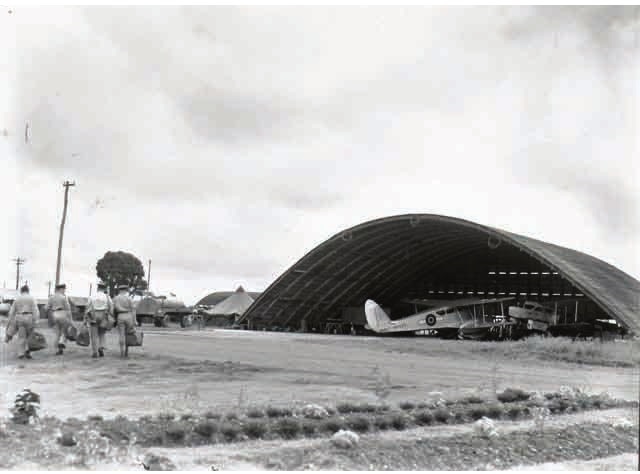
In readiness for war, there were a few massive infrastructure developments in the colony. Among them were the establishment of our “landing strips” from which we inherited our airports.
By July 1939, it had already been confirmed that Nadi was going to be the main “aerodrome” site in Fiji.
Nausori was to have a single strip and Laucala Bay was to be a seaplane station, with a secondary station in Lautoka for active use during bad weather.
On August 14 1939 a secret request was received by the office of the Colonial Secretary in Suva. The message asked that “117 acres of land be bought for the Nadi aerodrome”.
The Southern Cross Construction Company was contracted to build this aerodrome estimated at a cost of 56,400 pounds.
It was a massive project demanding significant quantities of machinery and manpower, mostly local.
Heavy machinery and earth-moving vehicles were collected from all parts of NZ and shipped to Suva on the MV Matua.
Trucks were even obtained from Fiji’s gold mines and conveyors came from the sugar mill in Lautoka.
Labourers were accommodated at a campsite located at the then Provincial School in Namaka.
By September 30 1939, a total of 25 acres of earthmoving works had been completed in Nadi and Nausori and by March 1940, construction works on airfields in both locations ended.
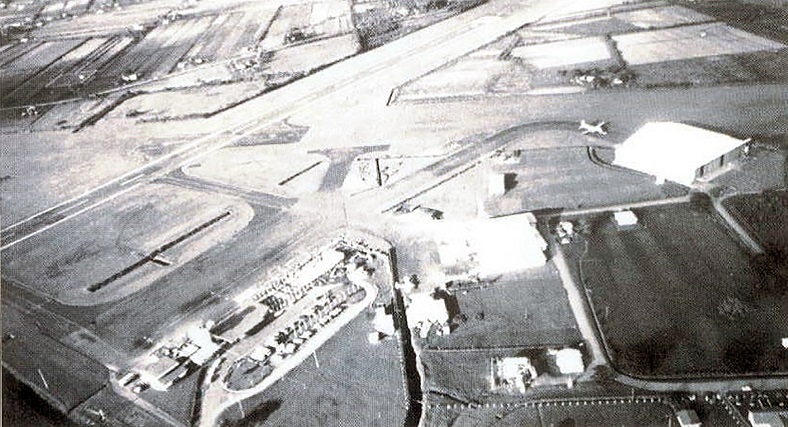
Nausori’s location along a boggy riverbank meant that living conditions at the Royal New Zealand Air Force Station were going to be a bit tough.
In 1942, Esmond Gibson requested that the site be set up to cater for 700 men. This was turned down because there was “no campsite above flood level for two miles”.
In the war book Laucala Bay, which talks about the RNZAF in Fiji between 1939-1967, author Bee Dawson noted that the boggy river flats were described as a “rotten spot”.
“Nausori got the worst of the weather on the island – after rain, you’d often find pools of water just outside your tent,” Dawson said.
“It could be difficult to keep your clothing dry. At night you had to have mosquito nets over you.
Pilot Dave Mitchell, during his visit to Nausori at the end of 1942, described the station this way: “What a shock. They were in two or four-man tents. Very poor facilities compared to the new barracks at Laucala Bay.”
“On top of that one of my friends had malaria and the other dengue fever. Both were sweaty and rolling around in those horrible conditions.”
In 1942, all the Indian labourers and carpenters went on strike for more pay. Although they eventually went back to work, trouble continued.
B.C.Scott, who was among the No.4 Squadron personnel posted from Nadi to Nausori at the end of 1942, said this about Nausori: “Nausori was rather disorganised for the first few days as they weren’t ready for the influx.”
“The cook walked out the first night, together with most of the native mess labour so we had no dinner that night, but managed to find plenty of tinned food.”
Bernard Brooke said this: “We slept on basic bunks – they were just hard boards above the ground, with a bedroll at the end of the bed.”
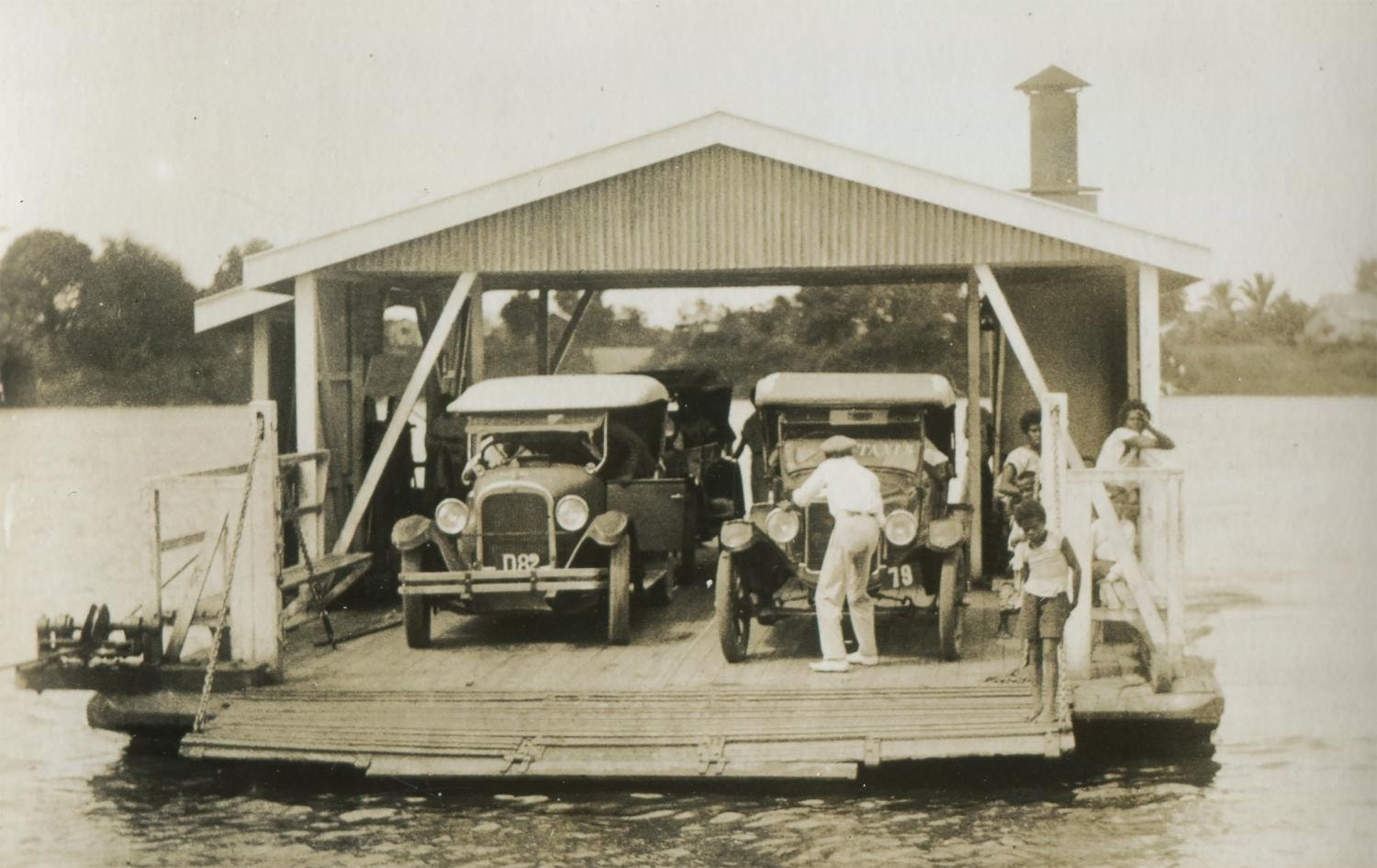
What Nausori had a lot of was sufficient domestic support. Dawson wrote that most of the airmen employed either Indian men or Fijian women to do their washing by beating “the hell out of clothes” with a rock in the stream. This was the locals’ way of cleaning the clothes thoroughly. The results were well-cleaned clothes.
To amuse themselves, card games and swimming were popular.
As an operation site, Nausori was virtually difficult to operate from. Its grass runways were overlaid with steel matting to allow twin-engine Hudson bombers to land safely without getting bogged down in the mud.
The combination of wet conditions and crosswinds caused two accidents in 1942. As a result, fighter squadrons stopped using Nausori until its runway was lengthened and a new one rebuilt.
In 1942 and 1943, the Hudsons of No. 4 Squadron were important in Fiji’s defence. Pilot Keith Hall was noted to have spent months flying Hudsons “on convoy escorts and anti-submarine patrols”.
The technical ground staff of the station was made up of 150 men. They came under the umbrella of No 13. Bomber
Maintenance Unit which was later known as the No. 13 Servicing Unit.
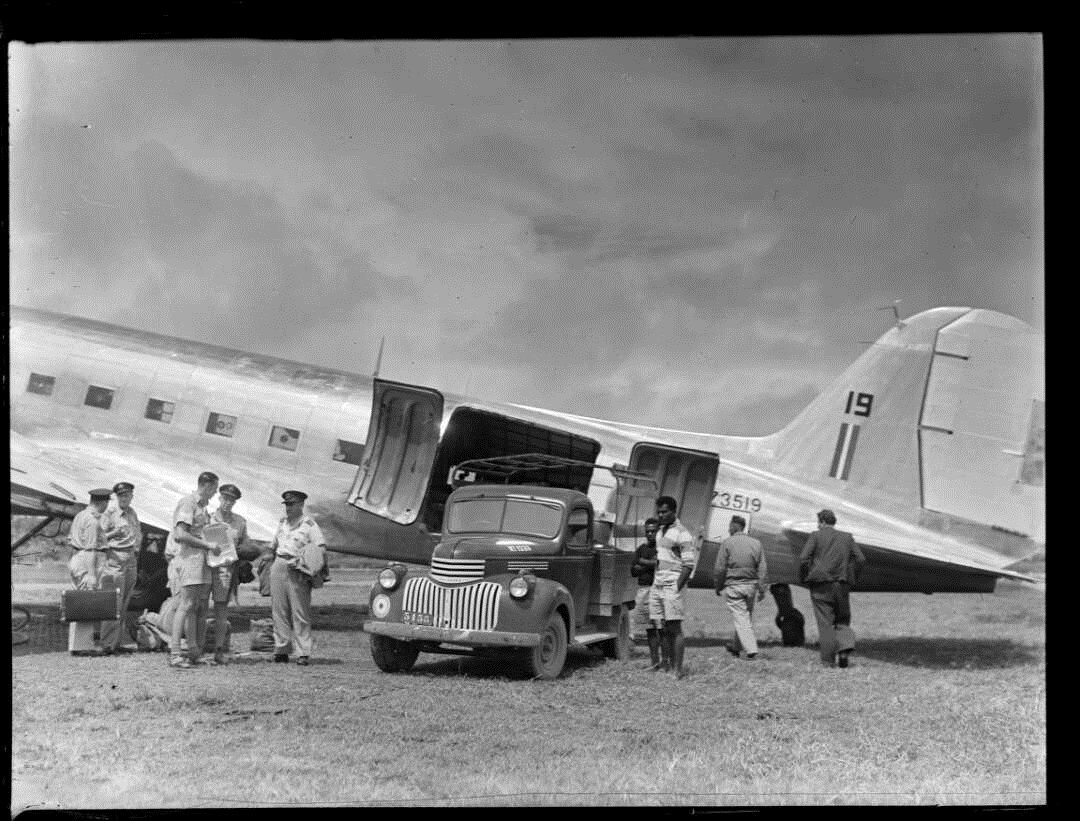
The unit looked after Nausori aircraft and handled all traffic. One of the most welcome aircraft was the Dakotas from No. 40
Transport Squadron which were responsible for bringing in much-anticipated mail and fresh food.
Other aircraft that operated out of Nausori in 1943 included the Vincent aircraft which did meteorological flights and the De
Havillands which operated a daily mail and personnel service between Nausori and Nadi.
Marine Section barges were used to take supplies and fuel from Laucala Bay up the Rewa River to Nausori.
Patrolling flights from Nausori became easier once the Catalina flying boats started arriving at Laucala Bay in April 1943. This was because Catalinas were capable of patrolling up to 700 nautical miles compared to Hudsons’ mere 400 nautical miles.
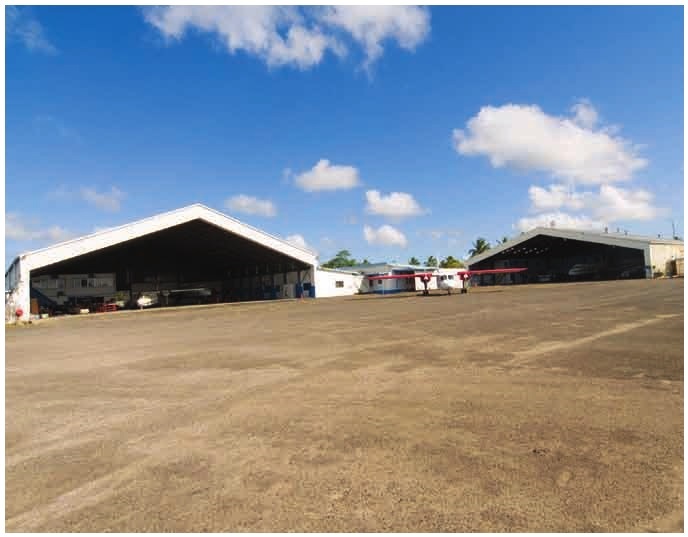
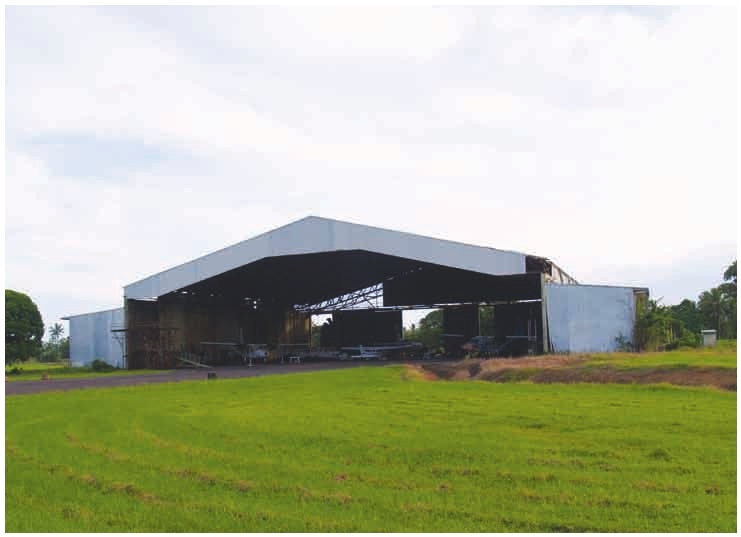
Once, it was announced that Nausori hangars would be re-equipped with PV-1 Venturas. Excitement filled the air.
However, when the first eight aircraft landed on September 2 and 3, 1943 they were aged and “much hard work would be necessary before they would be operational”.
On September 9, four more aircraft arrived (B-34 Venturas). They were of an earlier model and had “even more problems”.
“By October, these were so often out of action that it was a struggle to carry out the squadron training program and all of them were returned to NZ in October and November,” Dawson said.
“In the meantime, the faithful Hudsons filled the breach by maintaining patrols and escorts.”
A few Nausori accidents did happen and were recorded. One day a Hudson went down at sea when its fuel ran out during an anti-submarine patrol on June 27 1943. No trace of the aircraft and its five crew members were found.
There was a further tragedy on January 2 1944 when a Hudson and four crew members failed to return from a routine anti-submarine patrol. Nothing was found even after five days of search.
The worst Nausori accident happened on August 20 1944 when seven Hudsons departed Nausori for Whenuapai.
Three hours after take-off the aircraft ran into a heavy cloud that broke their formation. Only five of seven Hudsons safely arrived in NZ.
The next morning, Hudsons and Catalinas from NZ and Fiji re-traced the route of the ill-fated formation in an effort to find the two aircraft and their 14 men. Nothing was found.
By 1944, Fiji was considered too far from the active war zone. Nausori was occupied by No.4 Squadron until October 1944. From October until the end of the year, it was occupied by the recently formed No.8 Squadron.
On November 17 1944, the first half of No.4 Squadron set off for Emirau near New Guinea. The last seven crews departed Fiji on November 23.
“By February 1945, it was realised that Nausori was in its last days and that little remained to do other than despatch the aircraft and men to their new destinations,” Dawson said.
“From this point, a detached flight from Laucala Bay handled all air movements, drogue-towing and communications flights.”
In the book Harold Gatty’s Legacy, author Bob Kenney said after the war, Nausori and Nadi airfields slowly transformed to become Fiji’s modern airfields.
Kennedy said in June 1946, after the war had ended, Harold Gatty, regarded as the Father of Fiji’s modern aviation industry was at Nausori to welcome the inaugural service of Pan American Airways, a DC4 flight from San Francisco to Auckland via Nausori.
On September 16 1946, the first flight of the BCPA DC 4 VH-ANC “Warana” aircraft arrived at Nausori from Sydney
In 1947, Kennedy noted, Harold Gatty settled in Fiji and bought Katafaga Island and continued his “involvement with Pan American” as their representative based in Suva.
In October 1950, Gatty was nominated to the Fiji Legislative Council. Many aircraft landed and flew from Nausori hereon.
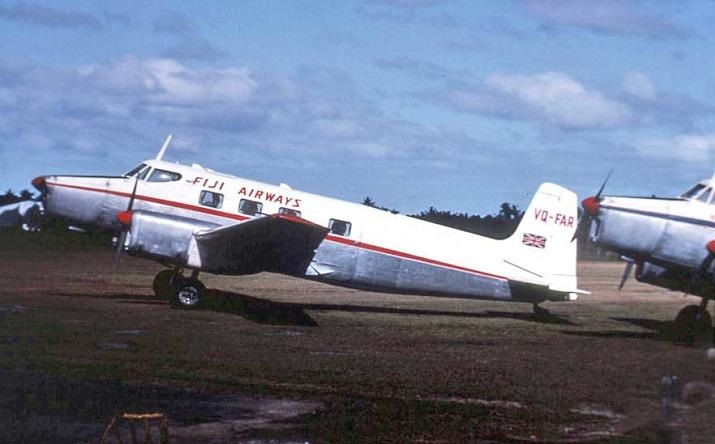
Gatty made a proposal to Government in 1951, through Katafaga Estates, for the formation of Fiji Airwaves. It was accepted with commitment for runways in Labasa and Savusavu on Vanua Levu. The permit was granted for five years.
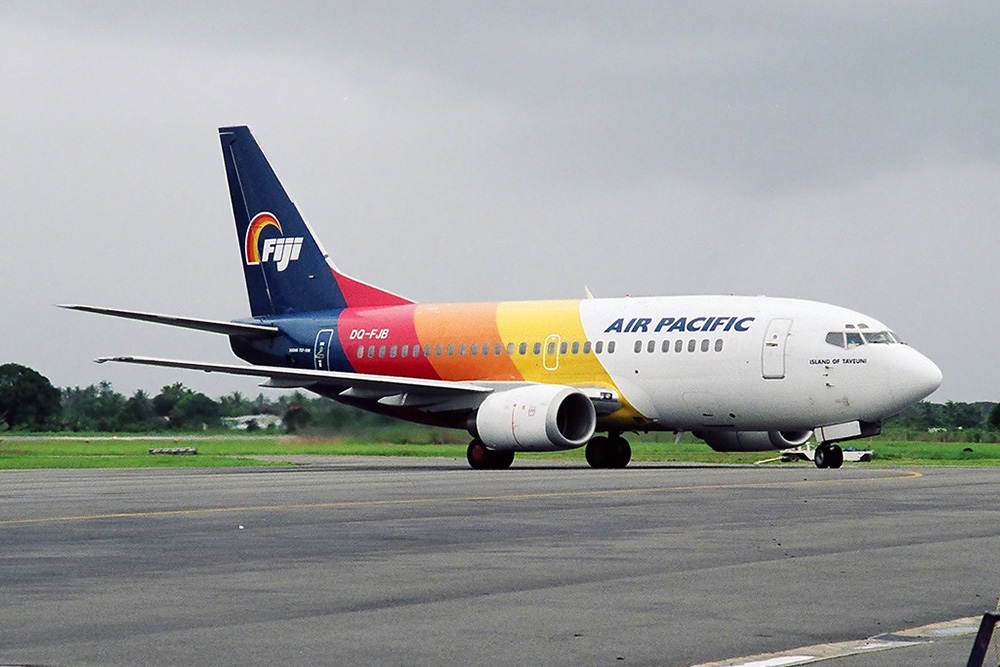
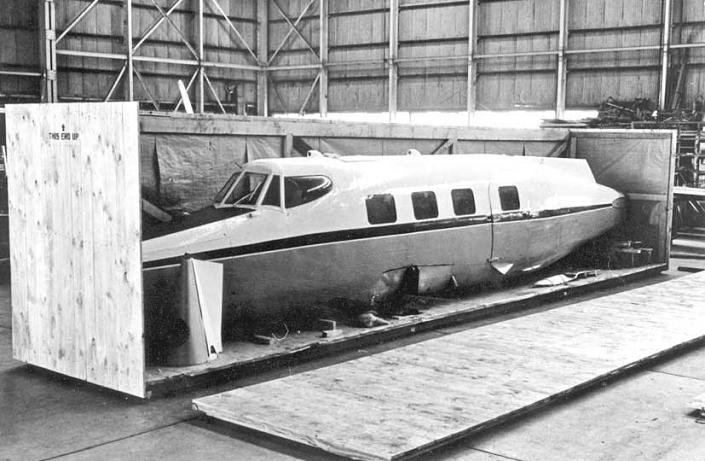
Suitable aircraft had to be found but the first was obtained in 1951 from the UK and shipped to Fiji.
“The history of this plane was long and interesting,” Kennedy said.
“It was registered in Fiji as VQ-FAL. Formally G-ALWP built-in 1934, it was one of the original “King’s Flight” aircraft when the Royal Air Force Unit was first formed.”
So began Fiji Airways on Saturday, September 1, 1951.
Fiji’ modern aviation industry was born!
- History being the subject it is, a group’s version of events may not be the same as that held by another group. When publishing one account, it is not our intention to cause division or to disrespect other oral traditions. Those with a different version can contact us so we can publish your account of history too — Editor.

