
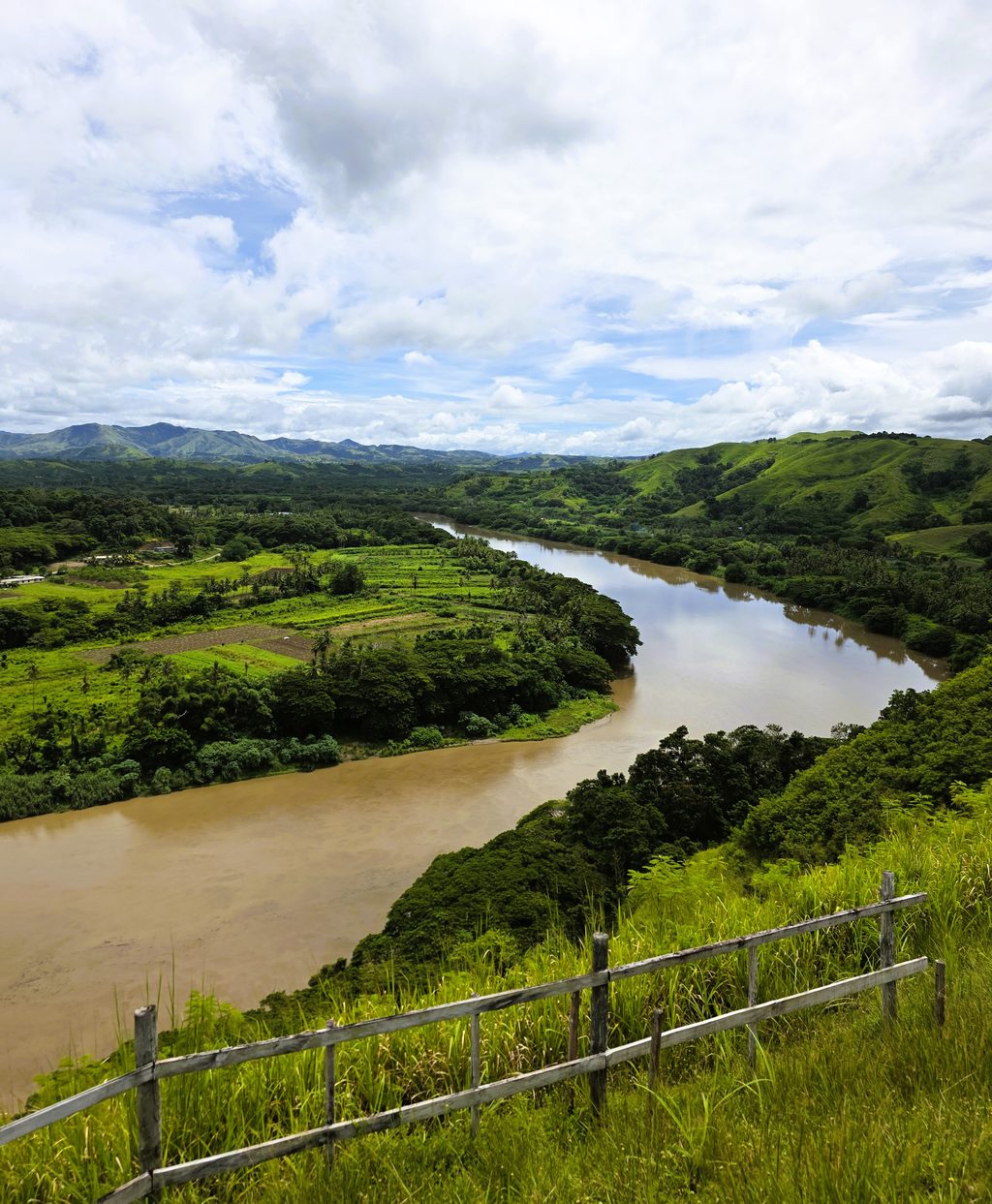
OVERLOOKING the Sigatoka River and perched high in the hills are the weathered remains of a once powerful and strategic village called koro ni valu (war refuge).
The stone foundations or yavu today are silent witnesses of a vibrant and sometimes turbulent way of life defined by war, migration and kinship bonds that endure to this very day.
At the heart of this story also lies one of Tonga’s most ancient chiefly titles, the Tu’i Pelehake.
Ma’afu, the ambitious Tongan prince, remains the most prominent and extensively researched Tongan figure in Fiji’s history.
Renowned for his forceful military campaigns and cunning political manoeuvres, which enabled him to assert control over much of the Lau group.
In this week’s Discovering Fiji, we turn to the story of another Tongan noble, Maile, a figure who presents a striking contrast. Where Ma’afu advanced through war, Maile chose the path of peace.
A royal “backup” lineage
The Tu’i Pelehake is one of the six most ancient and highest-ranking chiefly titles in the Kingdom of Tonga. Historically, it served as a safeguard for the royal line, a “backup” title in the event that the primary Tuʻi Tonga lineage failed.
The title traces its origins to ʻAhoʻeitu, regarded in Tongan tradition as the first Tuʻi Tonga and the son of the god Tangaloa.
According to legend, his eldest brother, Talafale, was bestowed the titles of Tu’i Pelehake and Tu’i Faleua to ensure continuity of the royal line.
Today, the title is typically held by a prince of the ruling Tupou dynasty, preserving its status at the apex of Tongan nobility.
But one branch of this chiefly legacy would cross the ocean and become entwined with Fiji’s own history.
The exile of Maile Latamai Finau
Maile Latamai Finau was the eldest son of Lekaumoana, who served as Tu’i Pelehake during the late 18th to early 19th century. Yet despite his birthright, Maile did not inherit the title.
Following a dispute or misdeed, he was overlooked and subsequently banished from Tonga. The title instead passed to his younger brother, Uluvalu.
Exile did not diminish his stature in the eyes of his descendants. To this day, the people of the yavusa Noi Toga in Nadroga continue to refer to him with respect as “their Tu’i Pelehake”.
From Mua to Conua
Oral history recounted by Lanieta Laulau of the mataqali Senibua, yavusa Noi Toga, traces Maile’s journey from Mua village in Hahake, Tonga, to Fiji.
In the 18th century, Maile left Tonga with more than 300 men, seeking refuge from political disputes.
His fleet first stopped in Kadavu and later at Serua Island which, according to tradition, he named after asking his navigator “E dua se rua?” (Is it one or two?).
Some of his followers remained in Kadavu and Serua while Maile continued on to Viti Levu, landing at Kolotoga, now Korotogo, before moving inland along the coast towards the Sigatoka River.
There, on a hill known today as Tavuni, stood a formidable fortified settlement.
The Koro ni Valu
Tavuni Hill Fort was originally established in the 17th century by the people of Conua district comprising seven villages along the eastern bank of the Sigatoka River namely Vatukarasa, Malevu, Korotogo, Naroro, Nawamagi, Narata and Nadrala.
Built as a man-made military retreat during tribal warfare, the fort was reinforced with coral limestone. Sixteen families from the tikina o Conua were its original occupants, guarding the stronghold while warriors went to and from battle.
It was known then as the koro ni valu of the koi Conua (people of Conua).
When Maile approached the site, he reportedly intended conquest. But upon realising the strength of the fort’s defenders, he chose diplomacy over war.
Peace was brokered with Kunatui, a war chief from Nadrala and leader of the koi Conua. Hence, Maile and his followers were permitted to settle alongside the original 16 families.
A blending of bloodlines
Intermarriage soon followed.
Maile’s first wife was from Narata village. Their daughter, Adi Salote Tupou, was born of this union. After her mother’s death, Maile married again, this time to a woman from Nadrala village and their son, Orisi Moala, was born.
From these two children would descend four key villages:
– Naroro and Malevu, through the daughter’s line
– Nawamagi and Vatutu, through the son’s line
Today, these four villages trace their direct lineage to Maile through Adi Salote and Orisi Moala.
While the yavusa Noi Toga do not formally practise Tongan customs, traces of Tongan heritage remain visible in names, mannerisms and attitudes. Names such as Maile, Salote, Tupou, Taufaʻahau, Sione and Finau endure within the tribe.
Unlike the Lau group, which later came under Ma’afu’s rule and adopted Tongan customs more fully, Maile’s story in Nadroga is one of settlement and intergration through peace rather than conquest.
Fire on the hill
The fort’s final chapter came in 1876 during the Colo Wars.
Joint forces of the British, the Christian army in Fiji and the Nadroga army used dynamite to destroy Tavuni Hill Fort. The destruction was linked to resistance to conversion to Christianity. Kunatui had reportedly refused to convert during a ceremony at Olosara and returned to the fort.
The burning of the settlement gave rise to the name Tavuni from the word “tavu”, meaning burn.
Kunatui later settled in Bukusia, in the Raiwaqa–Mavua area along Kavanigasau Road in the upper Sigatoka valley area. There, he converted to Christianity before his death near Ruwailevu, close to the Nahehe cave.
What remains
Today, Tavuni Hill Fort consists of 56 visible house foundations whish are rectangular and circular in shape.
The rectangular foundations represent the taukei koi Conua families. The circular foundations represent the Tongan Noi Toga settlers.
Other remnants include the Vatu ni Bokola, or killing stone, lovo earth ovens, shells, pottery shards, a cannibal mass grave, the kalou vatu alter and a chiefly burial site known as sautabu.
Unlike other traditions where enemies were consumed to gain power, oral history suggests that at Tavuni, the blood of enemies was used in sacrifice, while the bodies were buried rather than eaten.
Excavations conducted by archeological teams have revealed further details of the site’s structure but since then, nothing has been removed or replaced, and the area remains carefully preserved.
Identity etched in stone
While the Tavuni Hill Fort today is classified officially as an archaeological heritage site, for the descendants of Maile Latamai Finau and the koi Conua it much more.
It is a place of layered identity, where Tongan and Fijian bloodlines merged through marriage rather than war.
Although the land is now owned by the Noi Toga people, there remains a lingering sense that full authority and mana were never entirely transferred after Kunatui’s departure.
The story of this great fortress brings to light themes of exile and acceptance, resistance and faith, as well as belonging.
In a way it also shows us that as people of the Pacific, we are closer in bond and shared heritage than we think.
History being the subject it is, a group’s version of events may not be the same as that held by another group. When publishing one account, it is not our intention to cause division or to disrespect other oral traditions. Those with a different version can contact us so we can publish your account of history too — Editor.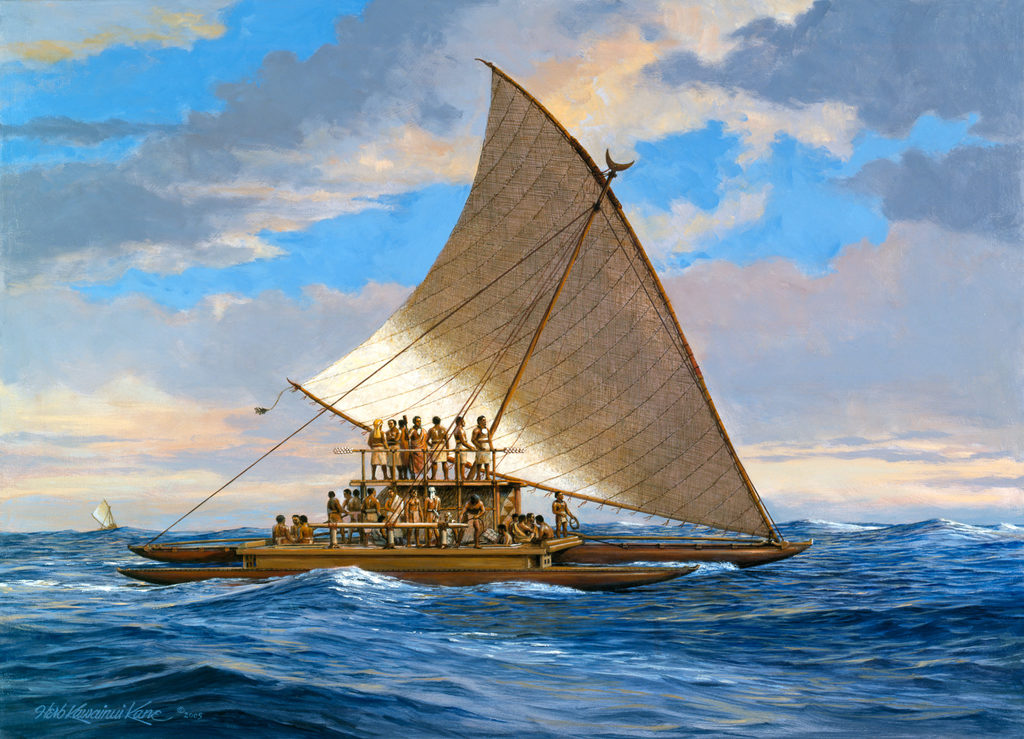
Maile was next in line to this father for the sacred and powerful Tui Pelehake title. He was however banished and sailed with around 300 of his followers here to Fiji. Picture: MATEAKI’I ‘A TONGA
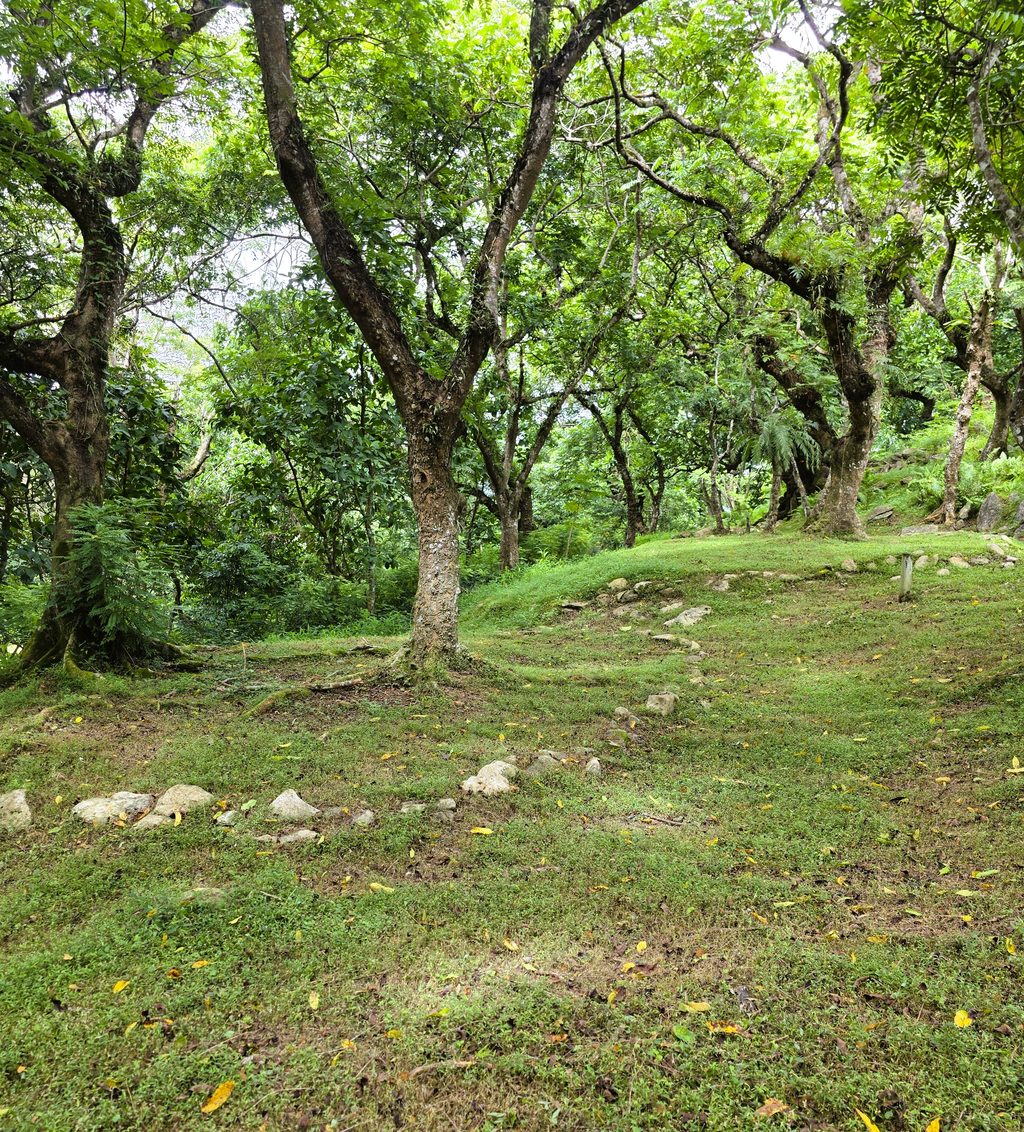
Other yavu or house foundations belong to Tongans. Picture: ALIFERETI SAKIASI
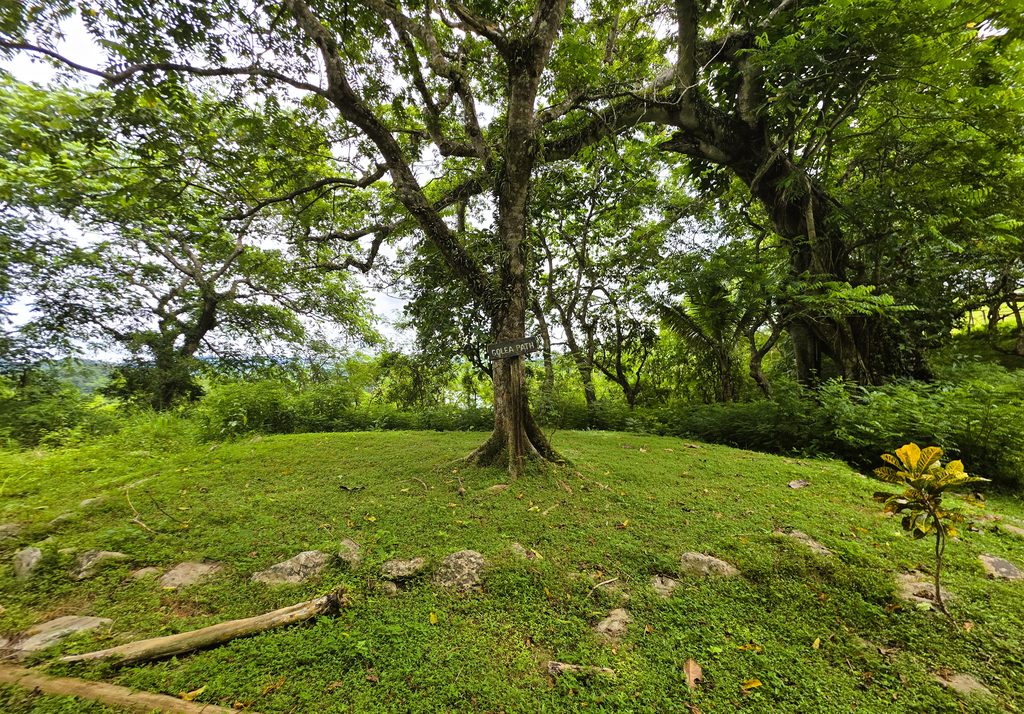
A yavu or house foundation belonging to a Tongan villager.
Picture: ALIFERETI SAKIASI
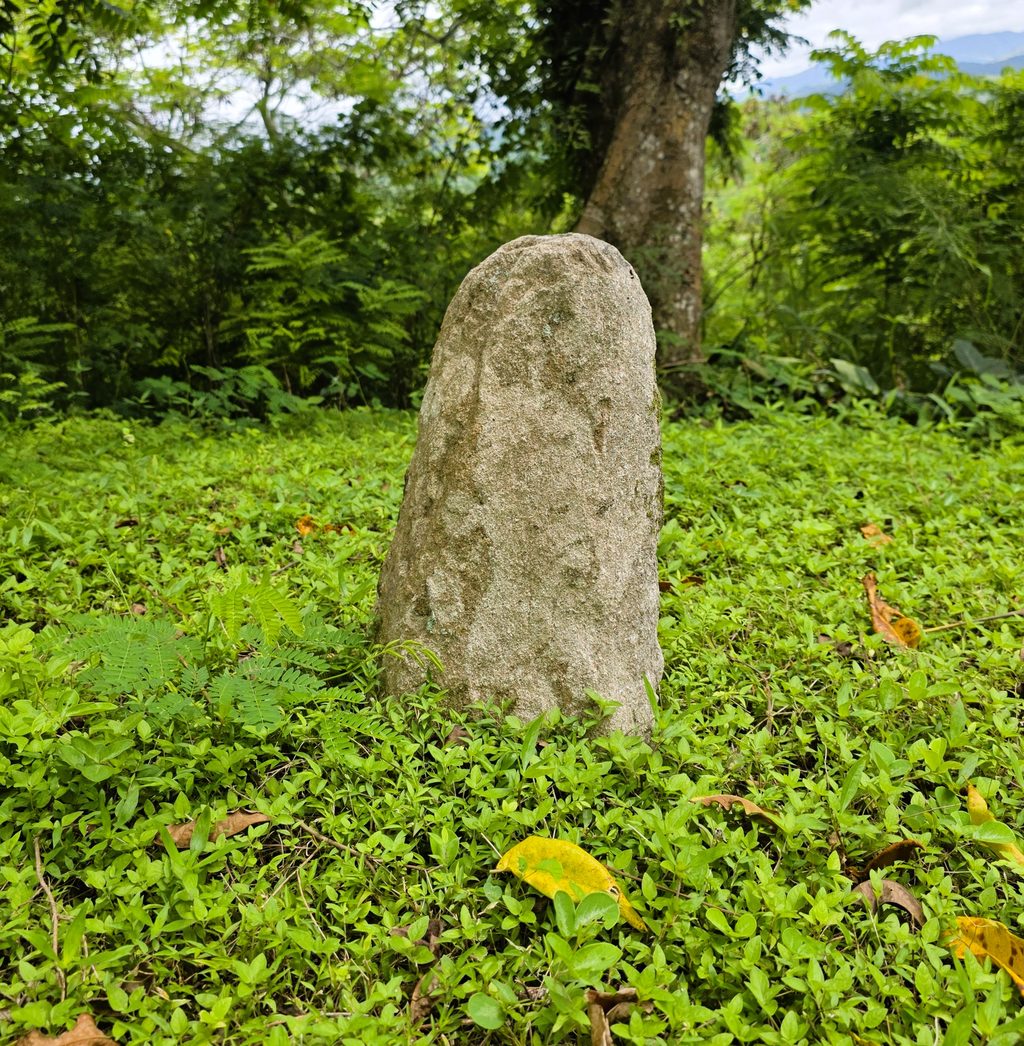
The god-stone of vatu kalou alter.
Picture: ALIFERETI SAKIASI
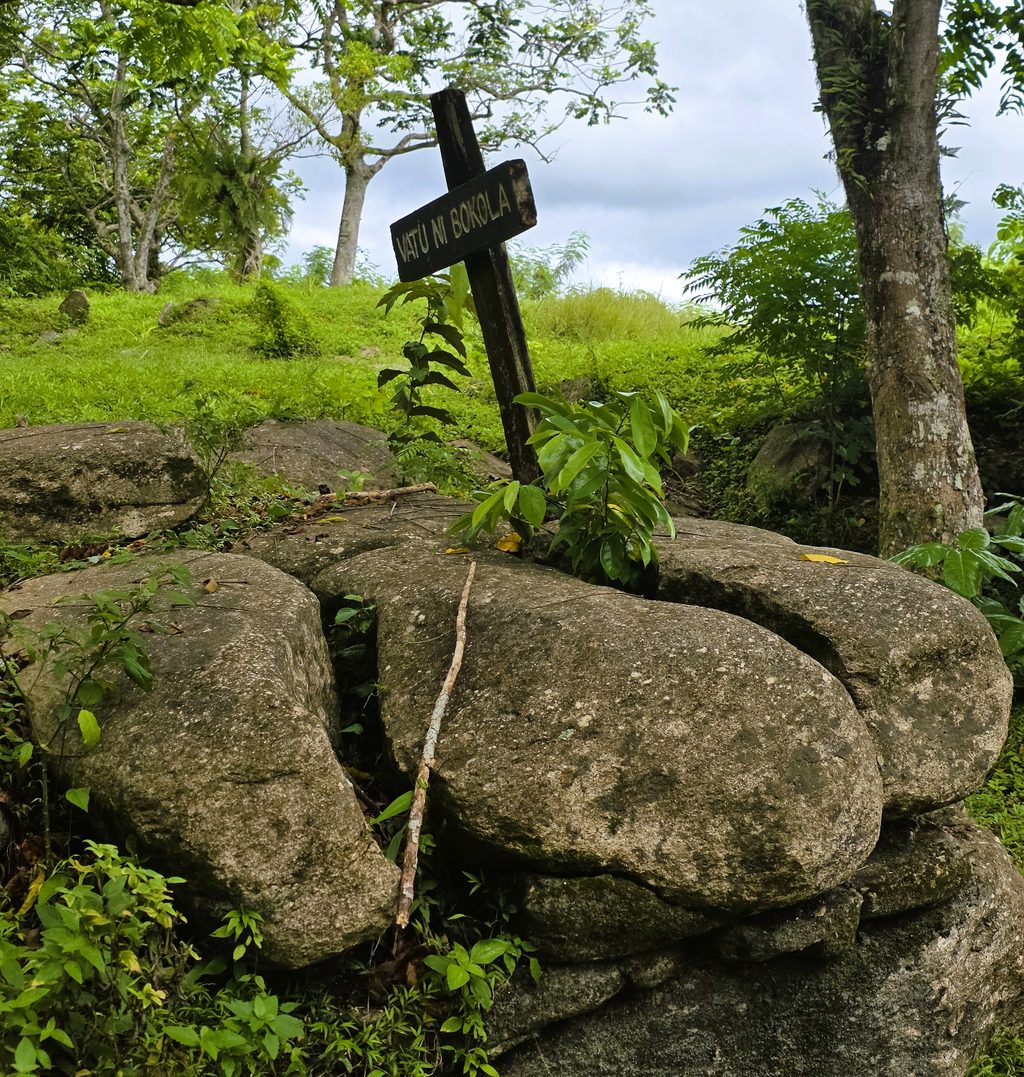
The killing stone or vatu ni bokola. Picture: ALIFERETI SAKIASI
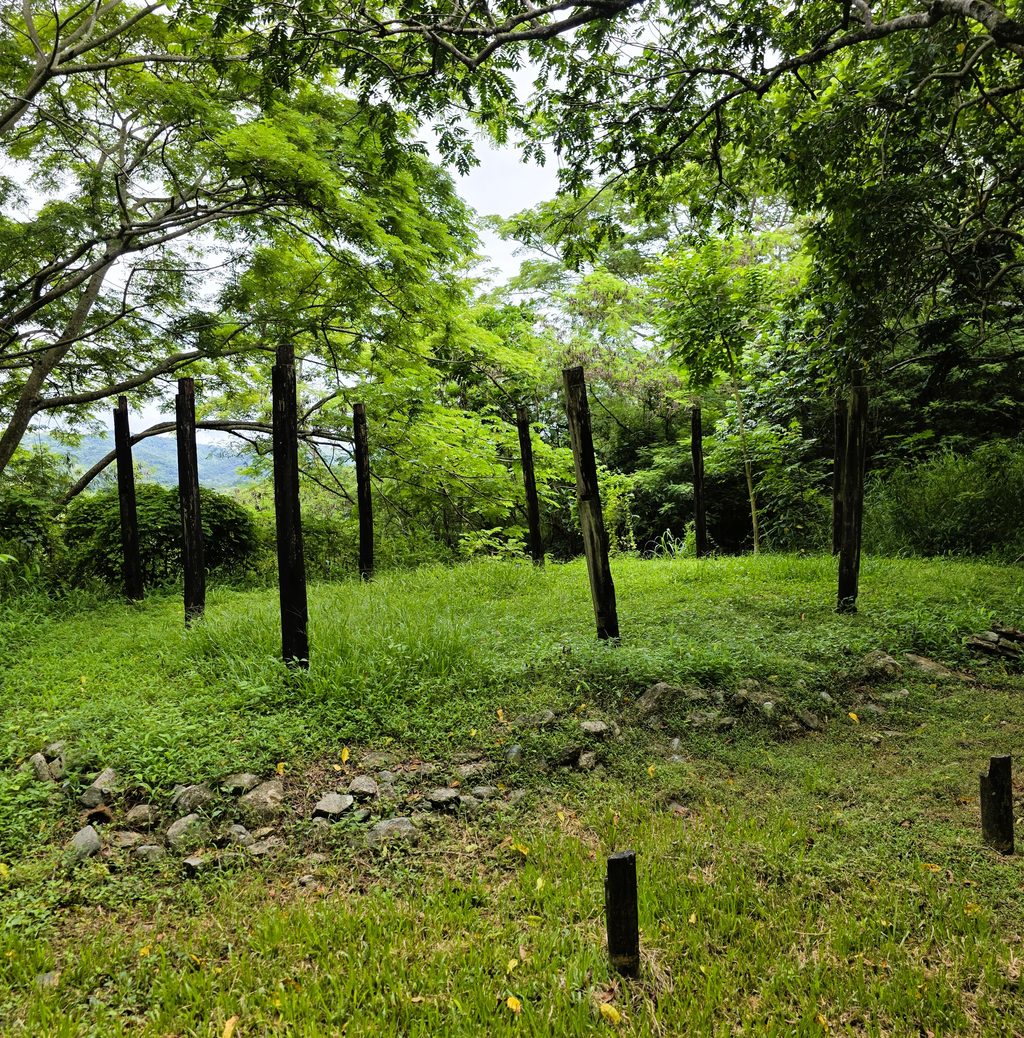
A rectangular house mound which belonged to a koi Conua of rank. Picture: ALIFERETI SAKIASI
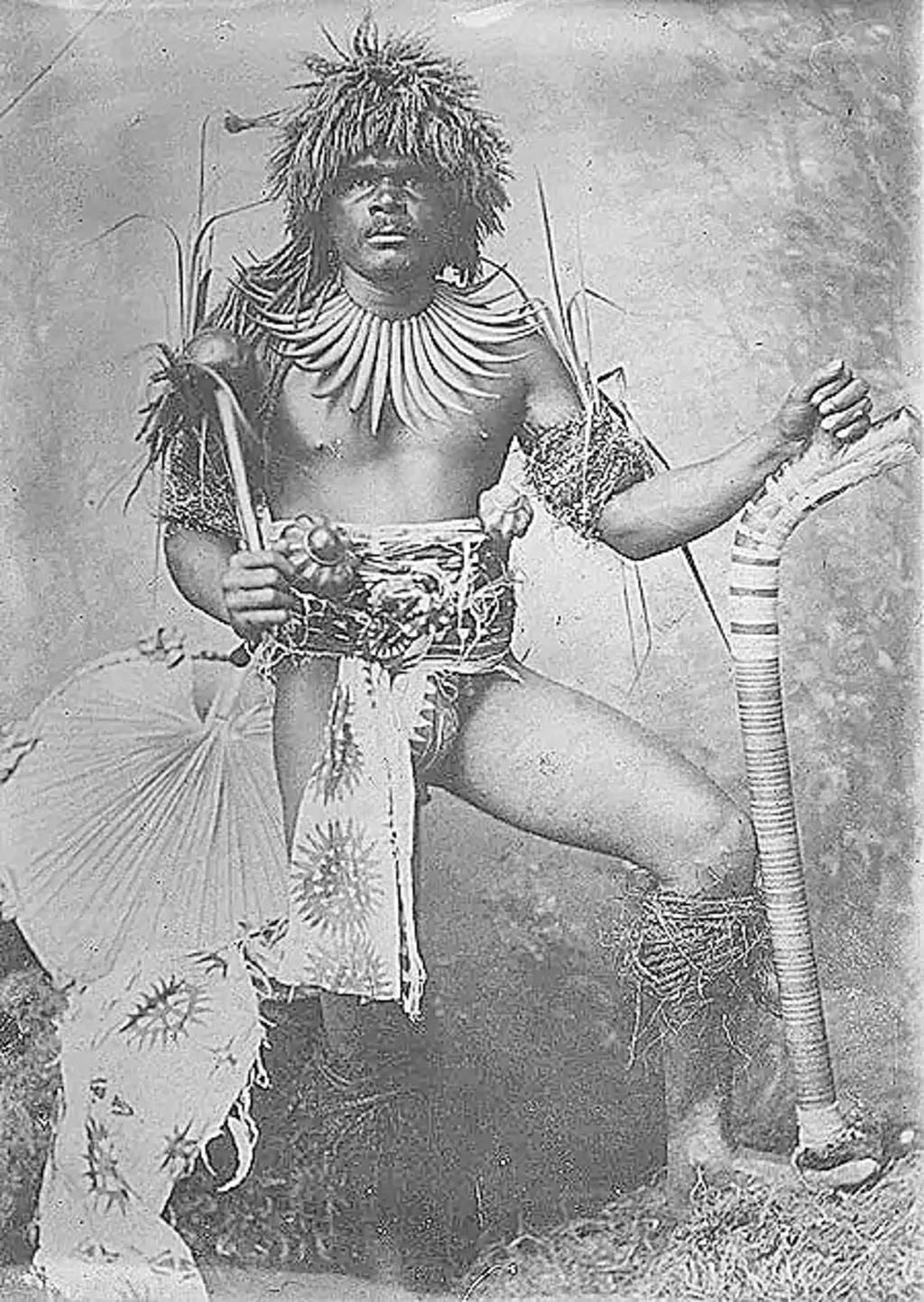
Tribal warfare in the Colo West was a prominent occurence. Pictured here is a traditional Fijian warrior in full attire. Picture: SUPPLIED
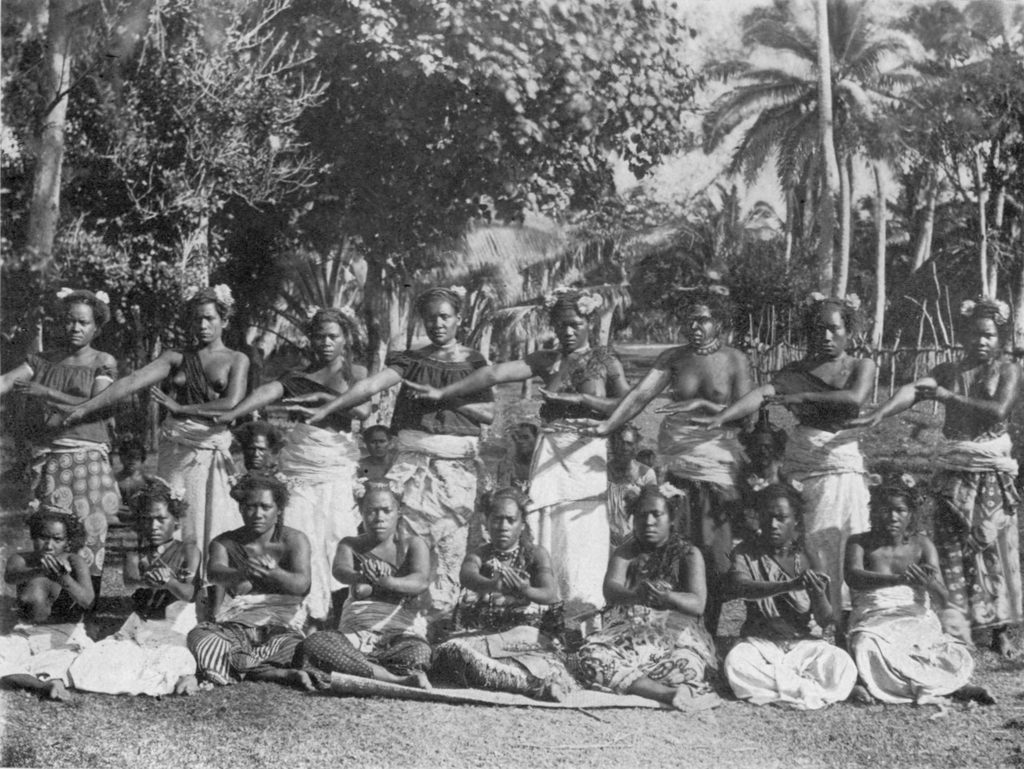
Tongan women preforming the lakalaka dance. Picture: SUPPLIED
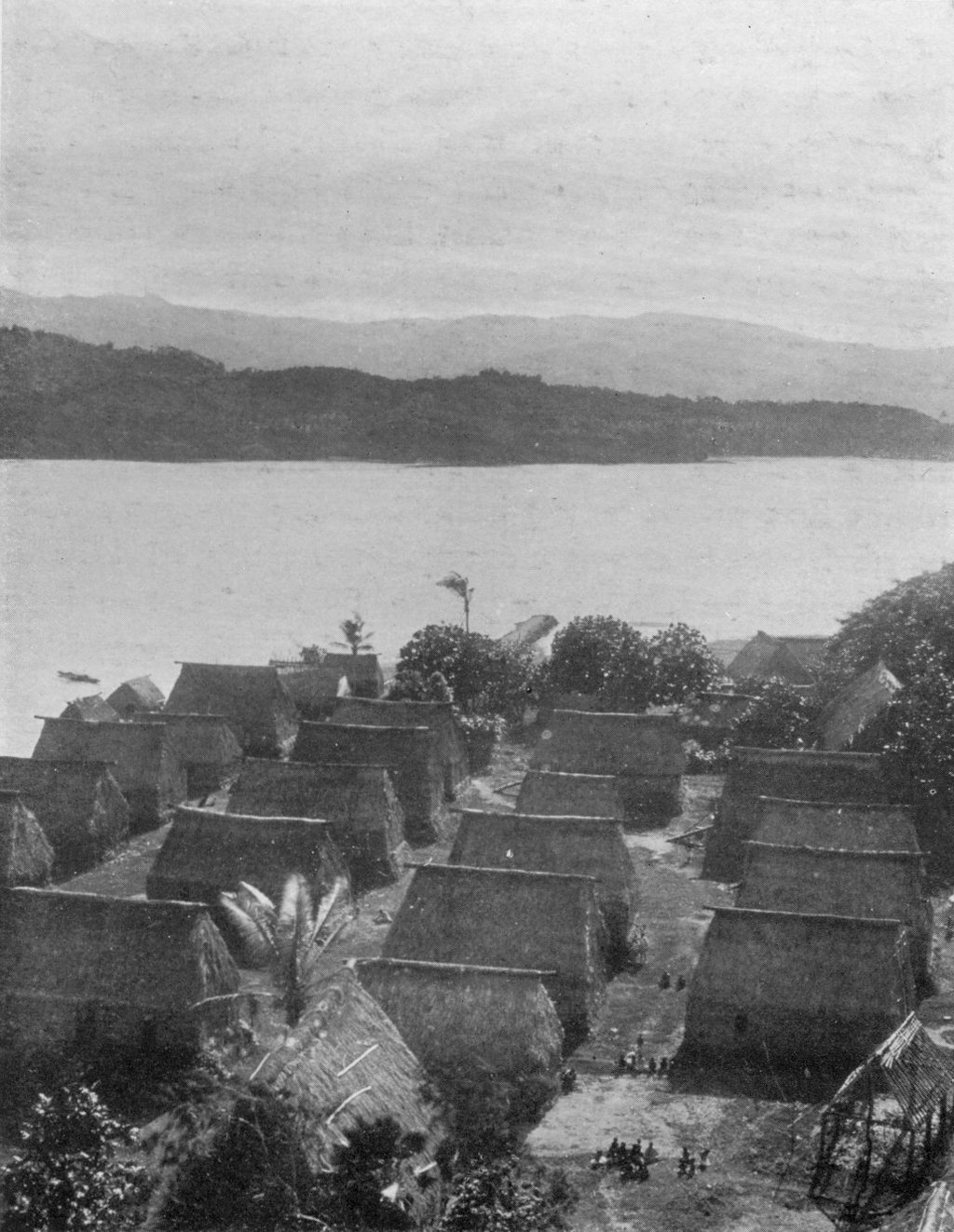
The chiefly island of Seru, home of the Vunivalu or war chief of Serua. The island was named by Maile upon his arrival from Kadavu. Picture: SUPPLIED

