
WHEN colonial administrator Adolph Brewster arrived in Fiji’s rugged interior in the late nineteenth century, the province officially bore the name Colo East.
But to the people who lived there it was simply the Wainimala, named after the powerful river, that shaped every aspect of life there.
Long before roads cut through the mountains of Viti Levu, the Wainimala River served as the only reliable passage into the interior.
It was a highway of currents and canoes, connecting villages hidden deep within dense forests and steep valleys.
Fed by countless tributaries, the river system spread across Colo East like a living network.
The river carried not only people and goods, but stories, conflicts, missionaries, and colonial ambition.
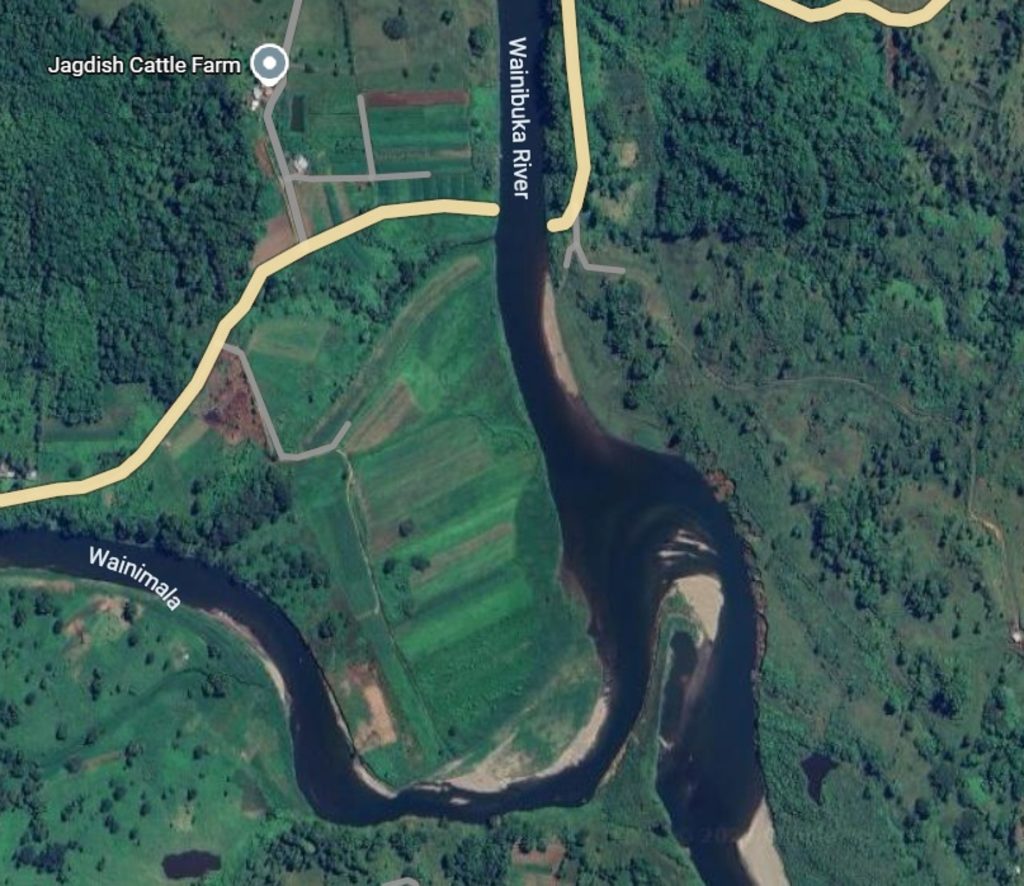
At the southern edge of the province, below the village of Matailobau and Vunidawa, the Wainimala merged with the Wainibuka River.
According to Brewster, together the Wainibuka and Wainimala formed the Wai Levu, the “Great River” later renamed the Rewa by European mapmakers after the settlement near its mouth.
From there, the river wound steadily to the sea, emptying near the small island of Nukulau, just East of Suva.
For Brewster, understanding Wainimala meant understanding the river itself.
The river before the roads
Brewster wrote in his book ‘The Hilltribes of Fiji’ that in those days there were no roads in Colo East.
That single sentence captured the isolation of Fiji’s interior in the nineteenth century. Travel through Colo East depended almost entirely on water.
Despite their twisting courses, both the Wainibuka and Wainimala rivers were navigable for remarkable distances.
Light-draught boats could travel up to seventy miles inland on the Wainibuka and sixty on the Wainimala and beyond those limits, traditional Fijian canoes known as takia pushed even further into the mountainous heart of Viti Levu.
Brewster highlighted that with takia it was possible to traverse much of Viti Levu from North to South.
The rivers became arteries of trade and settlement at the time.
Early European planters established cotton plantations along fertile riverbanks, purchasing land from local communities despite the region’s reputation among outsiders as hostile cannibal territory.
Relations between settlers and inland tribes remained uneasy but functional and cultural misunderstandings and suspicion shaped encounters on both sides. Yet for a time, coexistence endured between the settlers and tribes.
That balance would not last.
Fear along the Wainimala
The death of the Reverend Thomas Baker in 1867 sent shockwaves through the colony.
Although the Wainimala people were not involved in the killing, the aftermath intensified tensions throughout the interior of Viti Levu.
Brewster described that attitudes hardened.
European settlers along the river feared retaliation and instability.
In seeking protection, they appealed to British Consul John Bates Thurston, who later became Governor after Fiji’s annexation to Britain.
Thurston understood the delicate situation. As long as settlers remained on their plantations, the threat of violence lingered but remained contained.
Abandonment, however, risked signalling weakness and inviting attacks or looting.
To prevent escalation, Thurston requested naval assistance from Commodore Lambert of the Australian Station.
Lambert arrived aboard the HMS Challenger and anchored at Nukulau, the small island that had become an important maritime gateway into Fiji’s interior.
From there, an armed expedition under Flag-Commander Brownrigg moved upriver toward Deoka, near the junction of the Wainibuka and Wainimala.
The river once again became the route through which power entered the interior.
Between fear and misunderstanding
Brewster’s accounts reveal the tensions and prejudices of colonial Fiji, but they also offer glimpses into the complexity of relations between Europeans and indigenous communities.
“These Wainimala people,” he wrote, “did not interfere with the European settlers.”
Yet violence elsewhere deepened colonial anxieties.
In 1872, fighters from the region attacked a Christian village near the borders of Naitasiri, killing several inhabitants.
Still, Brewster cautioned against simplistic judgments of Fijians.
“It should not be inferred from this that the Fijians are cowards,” he wrote. “We and they have different modes of thought, that is all.”
To him, courage in Fiji often revealed itself in ways Europeans struggled to comprehend.
“They think nothing of swimming across shark-infested waters,” he observed, “which a white man would consider suicide to attempt.”
That fearlessness was woven into daily life along the rivers.
The waterways that served as highways also carried danger. Freshwater sharks prowled the navigable streams, and attacks were not uncommon.
“I have known a good few incidents of men, women and children being killed by them, yet it never stopped their using the streams for highways,” Brewster wrote.
Even tragedy did not sever the people’s bond with the river.
Life along the Wainimala continued because it had to.
One memory remained vivid in Brewster’s mind.
“I have often heard the voice of song arising from the river below as I sat in my house on the high bank above.
Looking down, he would see “the surface of the stream dotted with little black heads” children basically swimming together.
The highlands beyond colonial reach
Deep within the mountainous interior, some communities resisted both Christianity and colonial rule long after other regions had submitted.
Brewster described the Nadaravakawalu, Muaira, Noemalu, and Naqarawai clans as “irreconcilable” groups who remained fiercely independent in the fastness of central Viti Levu.
Together they formed a loose confederation known as Lomai Colo, meaning “the central highlands.”
To colonial authorities, they represented one of the last unconquered regions of Fiji.
Even after Queen Victoria assumed sovereignty over Fiji in 1874, the interior remained difficult to penetrate.
Geography itself protected the highland communities.
Thick forests, steep ridges, and river systems created natural barriers that slowed colonial expansion.
Yet change gradually arrived along the waterways.
Brewster noted the case of the Nabobuco clan, an ancient community living in the valleys of the Nasoqo and Wailoa rivers near Mount Victoria that eventually embraced Christianity.
The clan, he wrote, “put on the cloth” a phrase used to describe conversion and acceptance of mission influence.
The river that carried history
Today, roads connect places once reachable only by canoe or riverboat.
Vehicles now cross regions that nineteenth-century travellers could enter only by navigating the currents of the Wainimala.
But Brewster’s accounts preserve a time when the river was more than geography. It was a transport route – a lifeline.
Long before roads arrived in Fiji’s highlands, the Wainimala River remained the only road the people had ever known.
Part 2 Next week
History being the subject it is, a group’s version of events may not be the same as that held by another group. When publishing one account, it is not our intention to cause division or to disrespect other oral traditions. Those with a different version can contact us so we can publish your account of history too — Editor.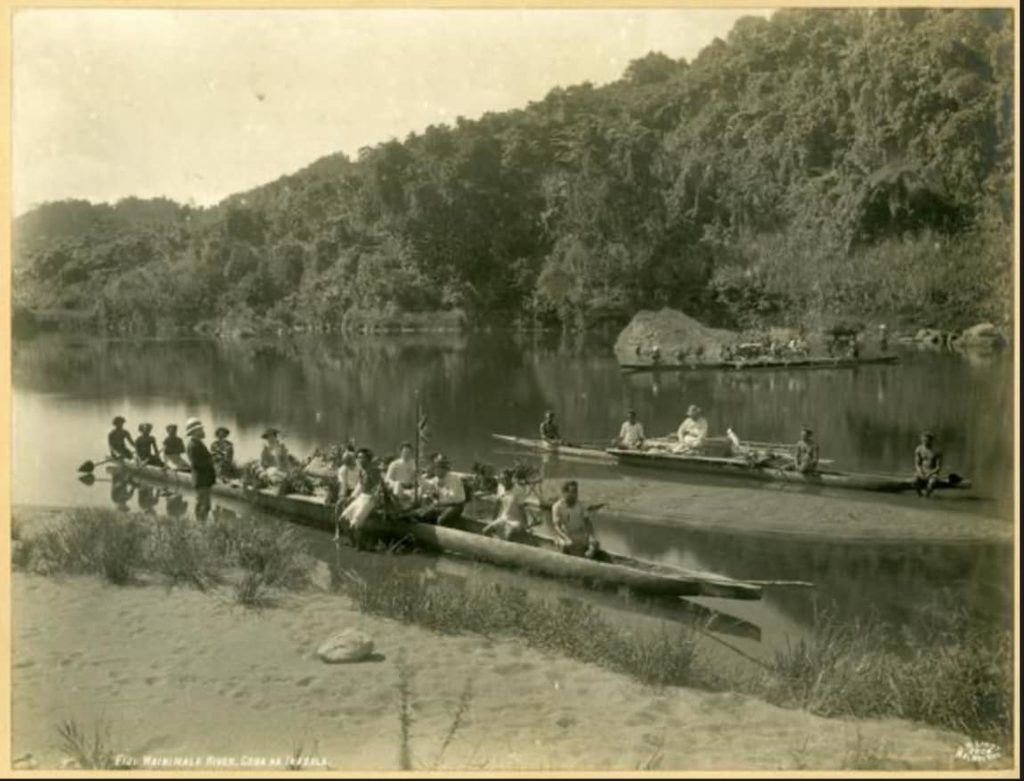
Travelling on the Wainimala River. Picture: JOHN WILLIAM
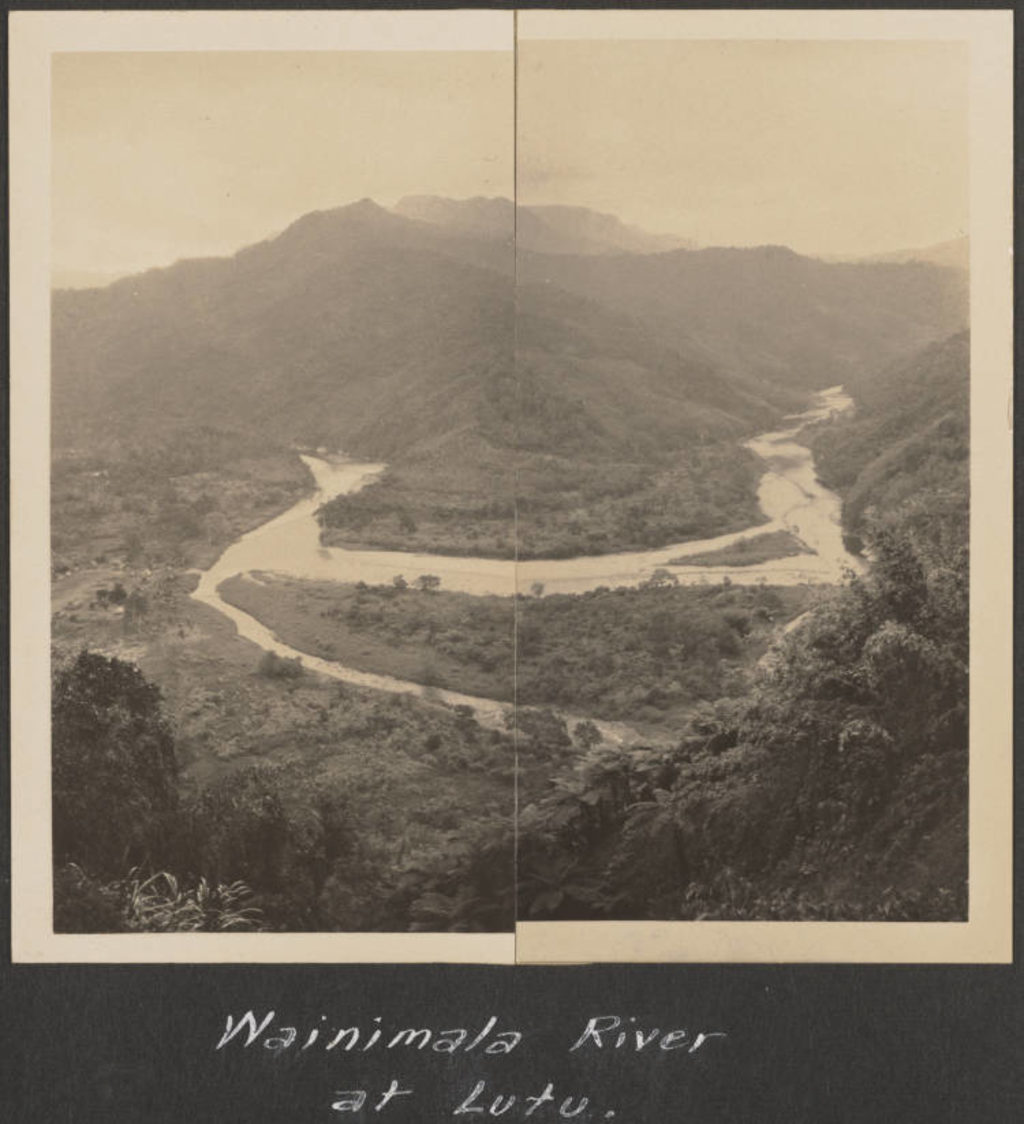
The Wainimala River at Lutu Village in the 1800s. Picture: AUCKLAND COUNCIL LIBRARIES
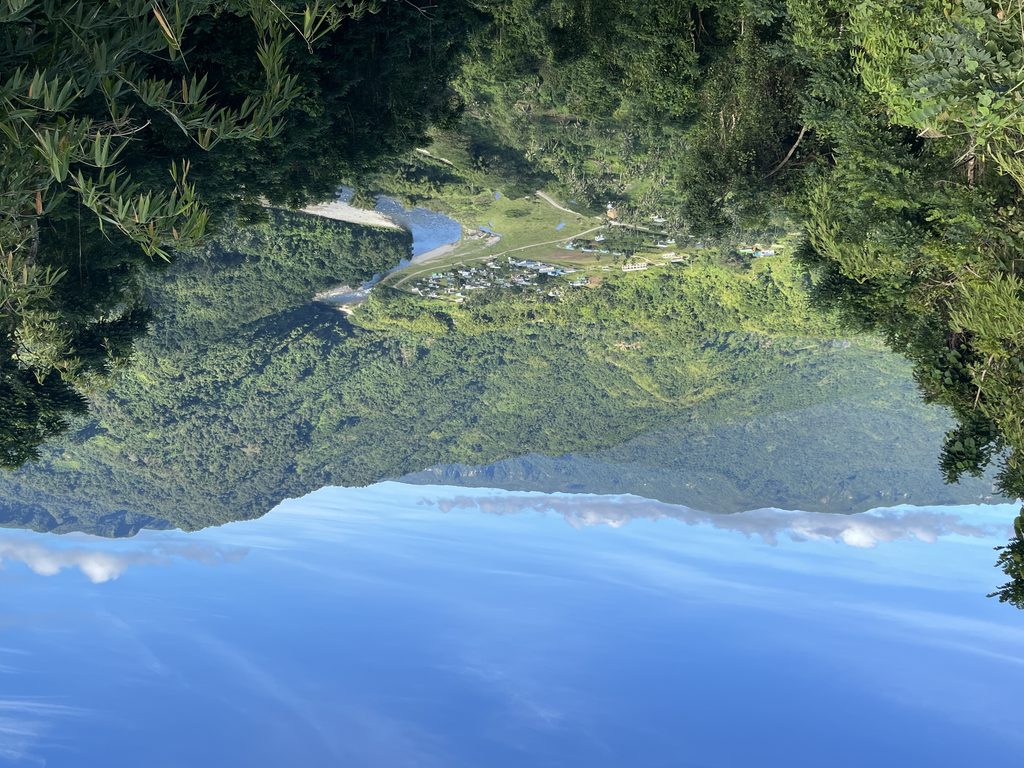
Fed by countless tributaries, the river system spread across Colo East (Wainimala) like a living network. Picture: ANA MADIGIBULI
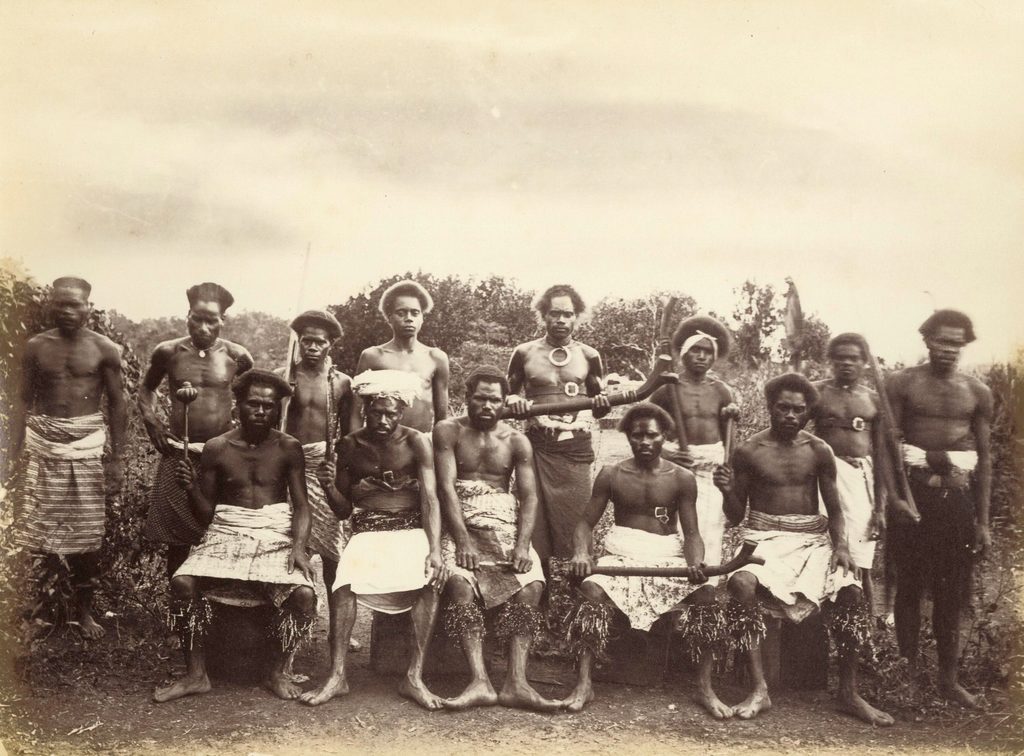
A photo of Fijians taken in 1881 in Fiji.
Picture: GERARD ANSDELL/ WWW.BONHAMS.COM
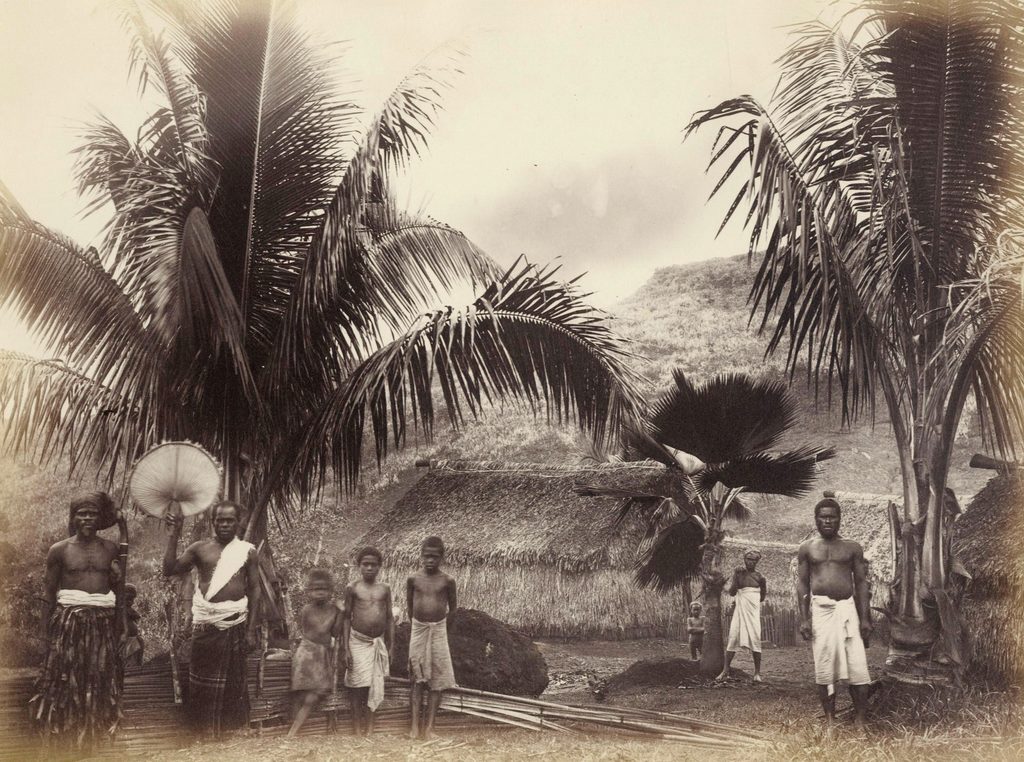
A village in Fiji in 1881.
Picture: GERARD ANSDELL/ WWW.BONHAMS.COM
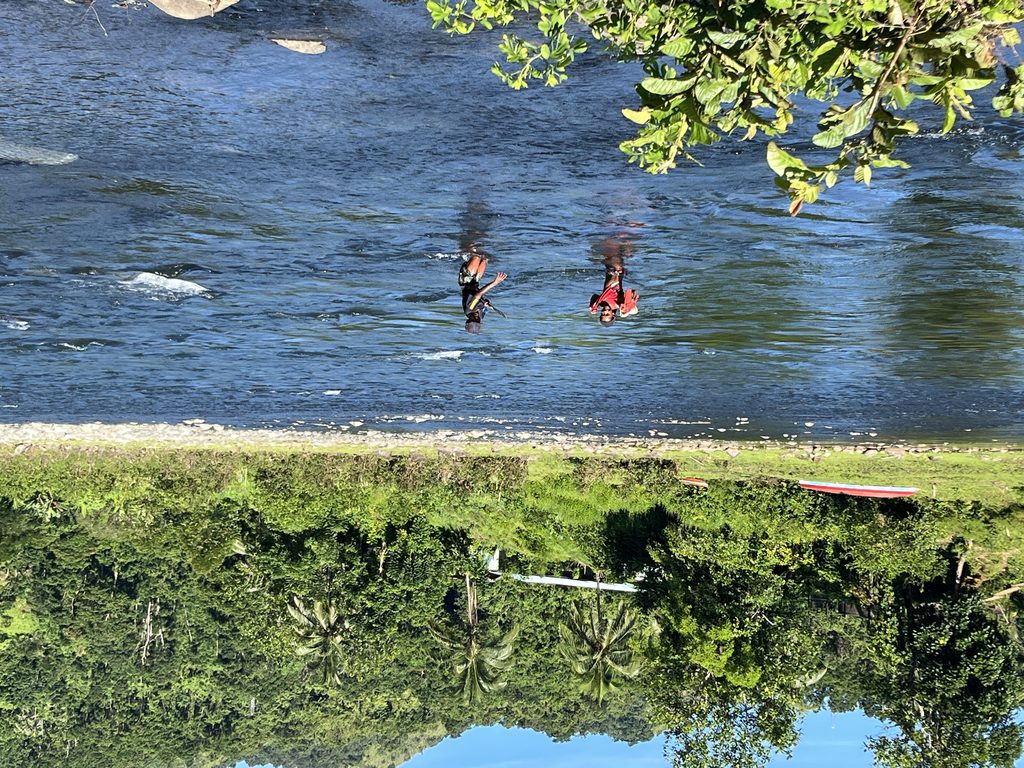
Travel through Colo East in the past depended entirely on water and many years later, Fijians living in the province still cross rivers daily. Picture: ANA MADIGIBULI
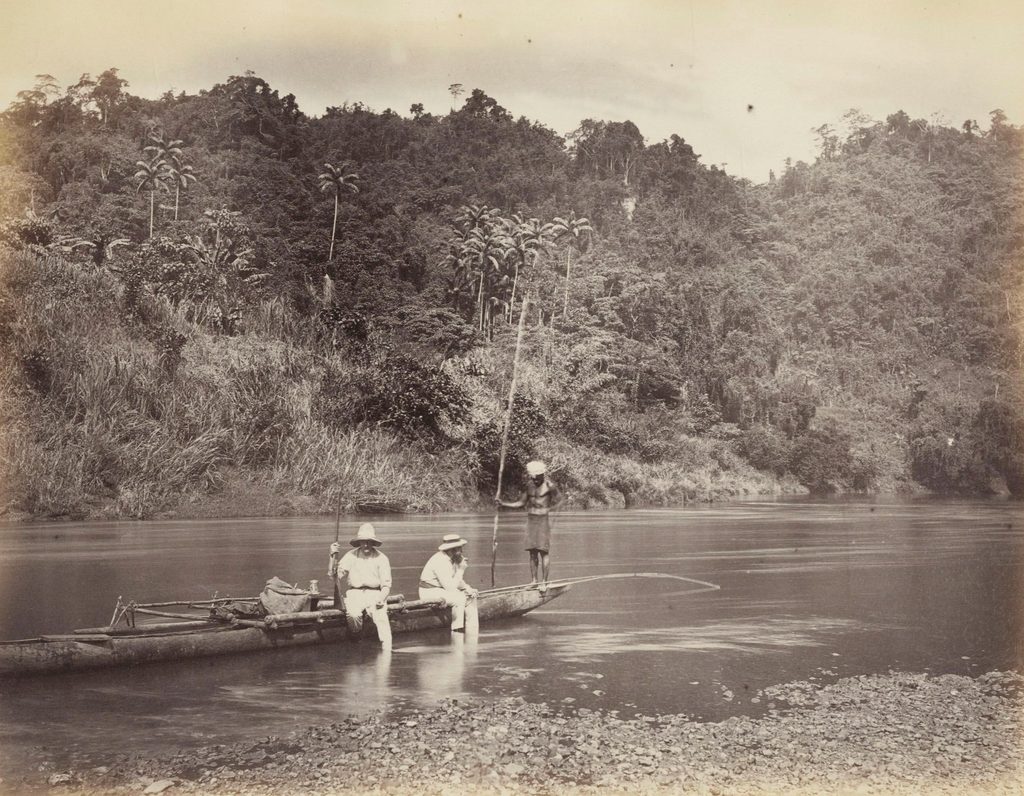
Early European planters established cotton plantations along fertile riverbanks, purchasing land from local communities.
Picture: GERARD ANSDELL/ WWW.BONHAMS.COM

