
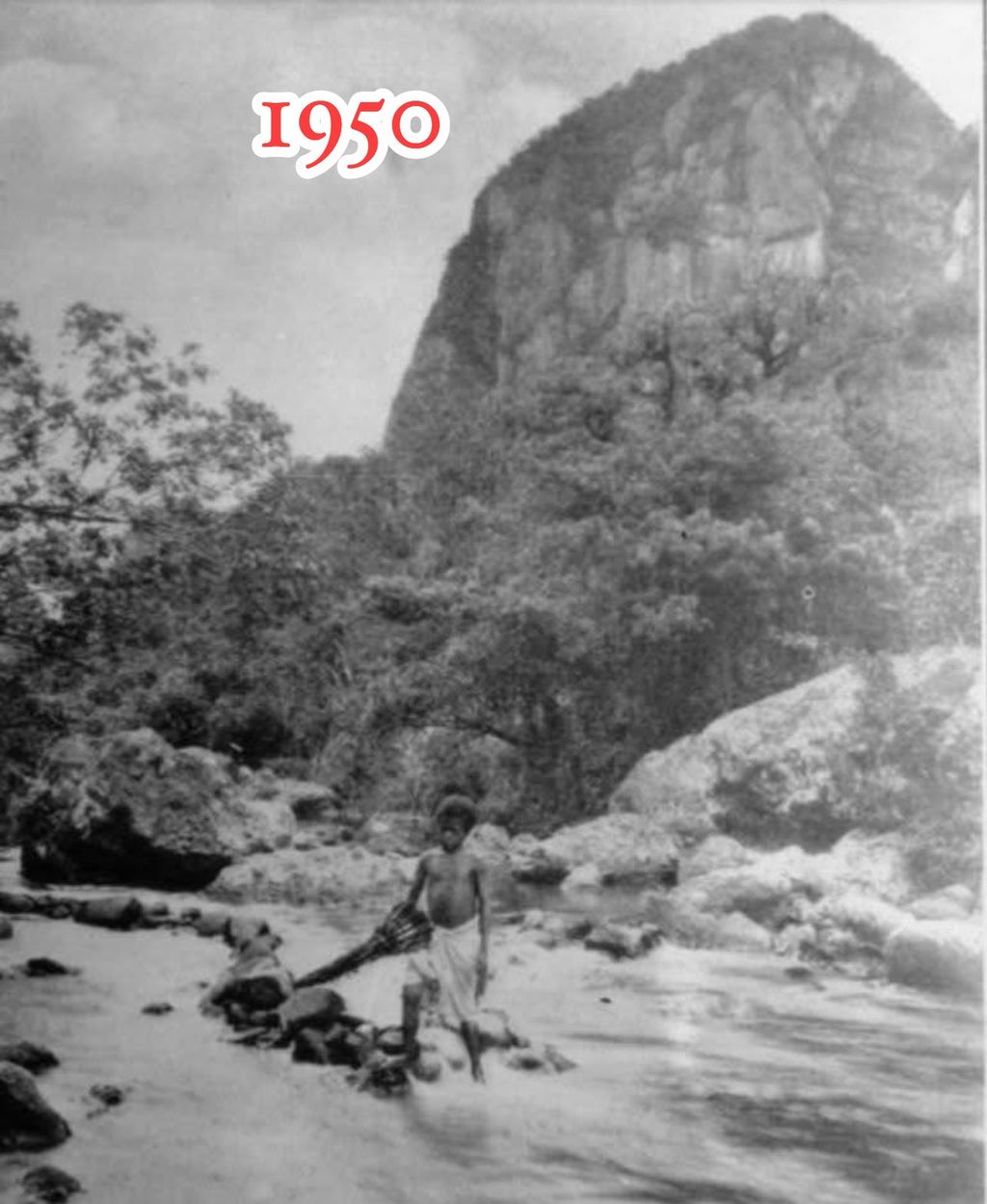
HIGH above the rugged mountains of Namosi, ancient war fortresses rise into the sky, silent sentinels that have protected the people of Namosi for centuries.
Once manned by fearless warriors, these towering rock formations created an unyielding shield against threats to the Tui Namosi and his people during times of tribal war and conflict.
Unbroken by time, the fortresses have watched generations come and go, standing as guardians of ancestral memory and cultural survival.
Today, these rocky strongholds provide a dramatic natural backdrop to villages nestled deep in the highlands and to the newly opened Dakuinaroba Bamboo Park, which welcomed visitors to Namosi last week.
In earlier times, the fortresses were defended by the mataqali Namara of Navunibau Village, the traditional bati (warriors) of the vanua of Nabukebuke.
These warriors stood resolute, protecting their people, traditions, territory, and survival through generations of conflict.
Navunibau Village
The village of Navunibau is carefully tucked between the jagged cliffs of Namosi, just metres from Namosi Village itself.
A stream separates the two villages, flowing onward to connect with the waters of the Waidina River.
Navunibau is home to the warriors of the mataqali Namara, long regarded as fearless and unwavering defenders of their chief.
For generations, they upheld a legacy of loyalty, courage, and sacred duty — trusted protectors of their vanua and their people.
According to the mataqali, in ancient times their ancestors performed powerful rituals to the kalou vatu (Stone God), a revered spirit believed to grant strength and protection in battle.
Before entering tribal wars or distant conflicts, the warriors sought the blessing of the kalou vatu, carrying into battle not only weapons, but the spiritual authority of their land and chief.
Historical accounts shared by the mataqali recount that the bati of Navunibau never wavered in their allegiance to the Tui Namosi — a loyalty they continue to uphold today.
The sacred site where these ancient rituals were performed remains within the village, alongside traditional weapons that symbolise the enduring duty of the bati.
Koro Tabu — the unbroken mountain fortress
Mataqali Namara Trust vice chairman Paulo Rauto said there were four main fortresses that once helped their ancestors defend the vanua of Nabukebuke.
He said the fortresses were known as Koro Tabu, Waica, Naqaralase, and Narerega, and today the mataqali remain their custodians.
Located about 300 metres from the newly commissioned bamboo park, the first fortress, Koro Tabu, commands sweeping views over Namosi.
Koro Tabu served as a strategic mountain stronghold for many generations and is regarded as a sacred site where warriors once stood guard during times of war.
It was used repeatedly to repel enemies advancing from both the east and west, disrupting attempts to invade and conquer the region.
According to oral history passed down through the mataqali, no enemy ever breached Koro Tabu.
Waica — a historical fortress
Another significant site, Waica, lies about 800 metres from the bamboo park and Namosi Village.
According to the mataqali, Waica is recognised as the only known settlement established after a great battle in Namosi involving the Vatuwaqa tribe.
The Vatuwaqa people had attempted to overthrow the Tui Namosi but were unsuccessful.
Following that conflict, the mataqali Namara were entrusted with sacred responsibilities: to guard and protect the Bure o Narukutabua, serve as the traditional warriors of the Tui Namosi, and defend the vanua from threats both within and beyond the Namosi district.
This responsibility was not only an honour, but a testament to their courage, loyalty, and strategic skill.
Another historical account shared by the mataqali tells of more than one thousand warriors from Wainimala who once attempted to burn and destroy the fortress at Waica. Their efforts failed.
The vigilance, discipline, and bravery of the mataqali Namara ensured the fortress — and the chiefly household it protected — remained untouched.
In recognition of their loyalty, the mataqali Namara were granted the right to settle at Waica, establishing it as their warriors’ yavu.
Today, Waica stands beside the sacred ground of the Vunivalu, the Tui Namosi, at the Bure o Narukutabua.
The presence of the warriors was essential in safeguarding the chiefly household, strengthening the deep bond between Waica and the leadership of Namosi.
Waica continues to hold a place of deep respect in Namosi’s heritage.
As Christianity spread and traditional practices gradually faded, the mataqali Namara later moved and settled in Navunibau Village, where they continue to serve their chief and uphold their ancestral duty to this day.
History being the subject it is, a group’s version of events may not be the same as that held by another group. When publishing one account, it is not our intention to cause division or to disrespect other oral traditions. Those with a different version can contact us so we can publish your account of history too — Editor.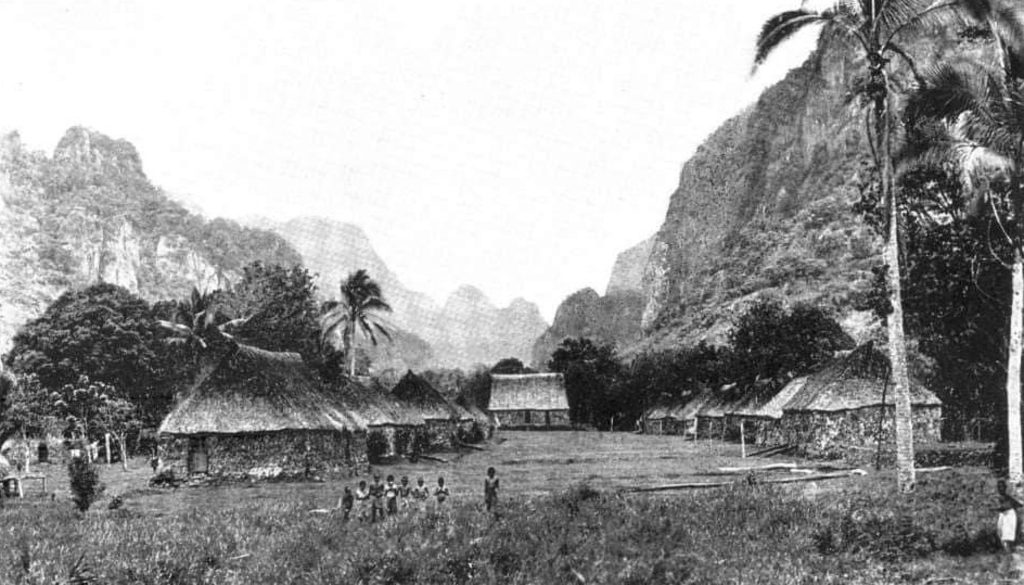
The Koro Makawa of Namosi.
Picture: NATIONAL ARCHIVES OF FIJI
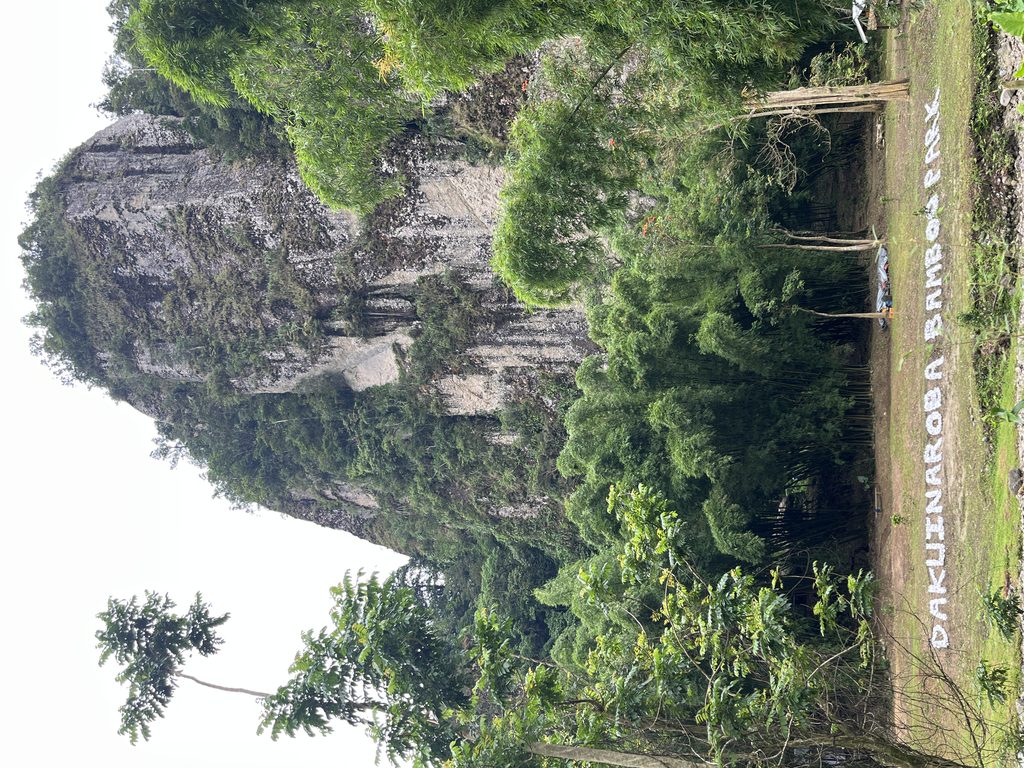
Today the Mataqali Namara are sharing their history with guests who visit their bamboo park. Picture: KATA KOLI
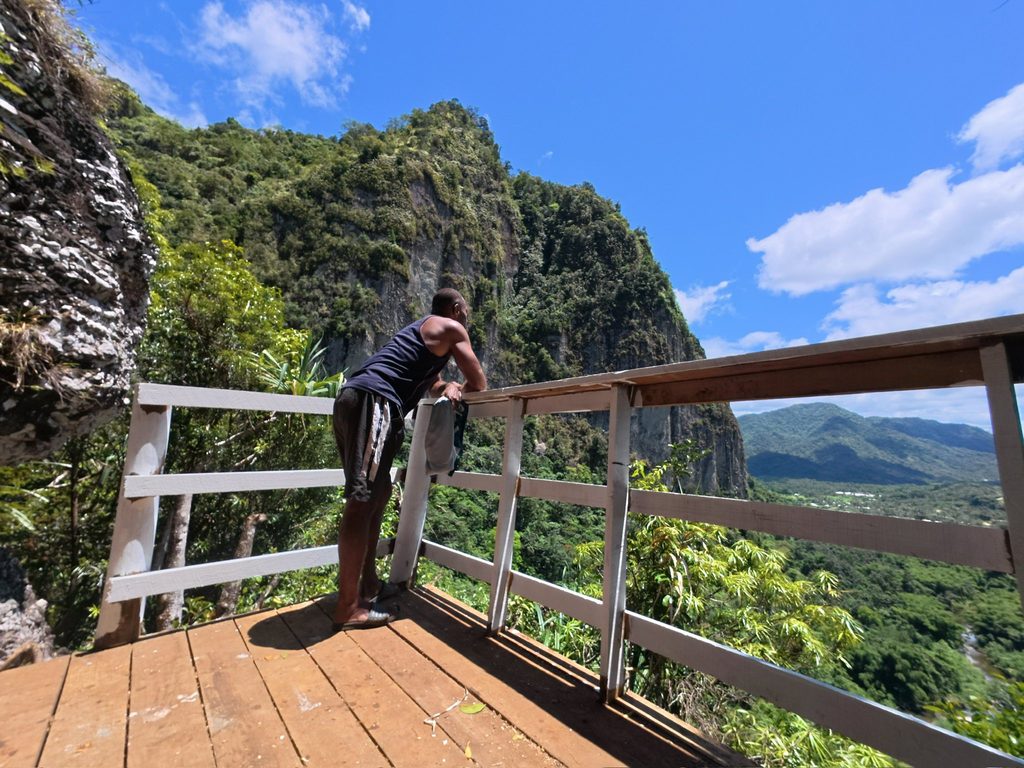
The famous lookout spot. Picture: SUPPLIED
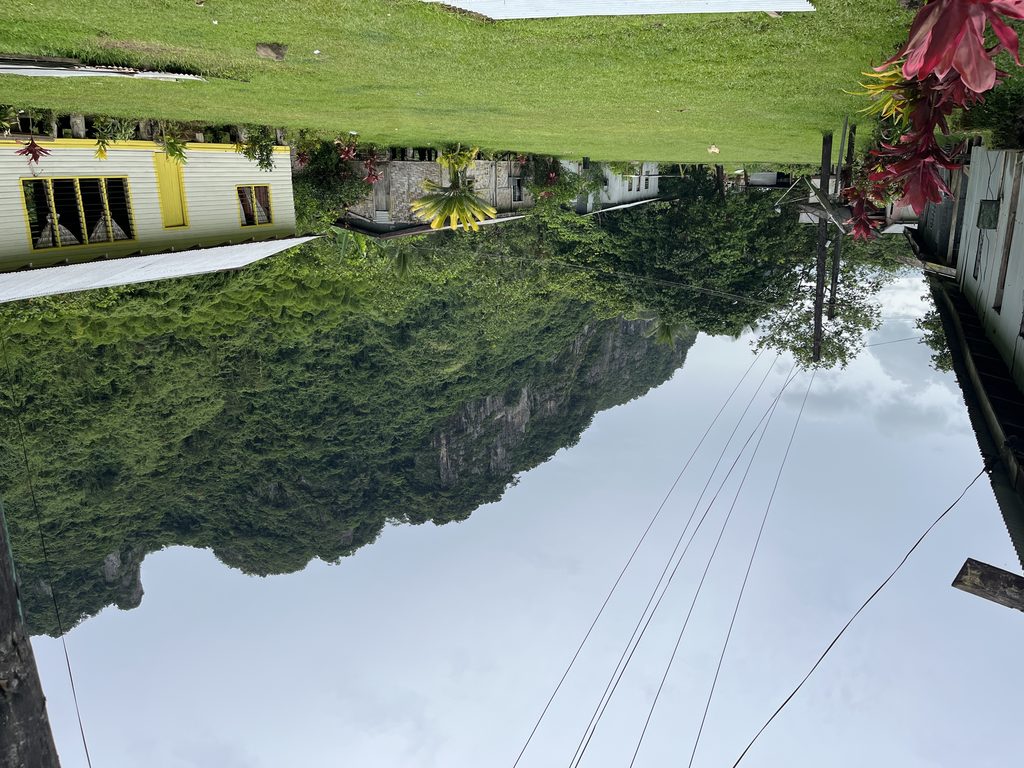
The rocky mountains used as fortress rise above Namosi Village.
Picture: ANA MADIGIBULI
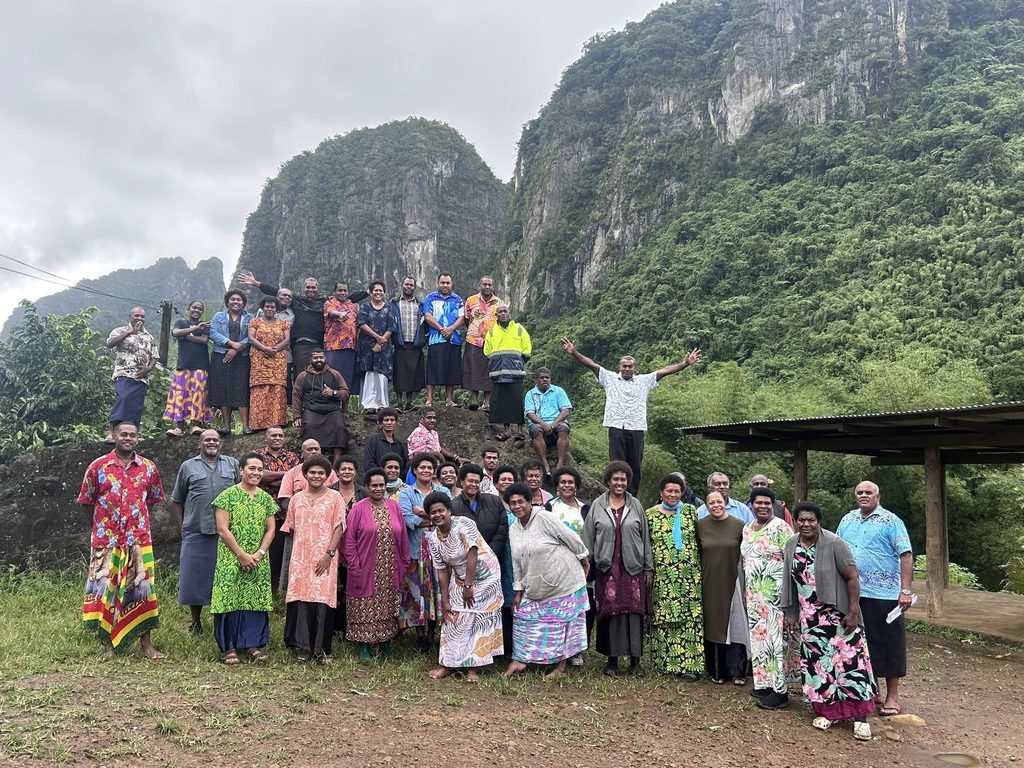
Members of mataqali Narama with stakeholders at Navunibau Village. Picture: TOMASI VAKADRANU
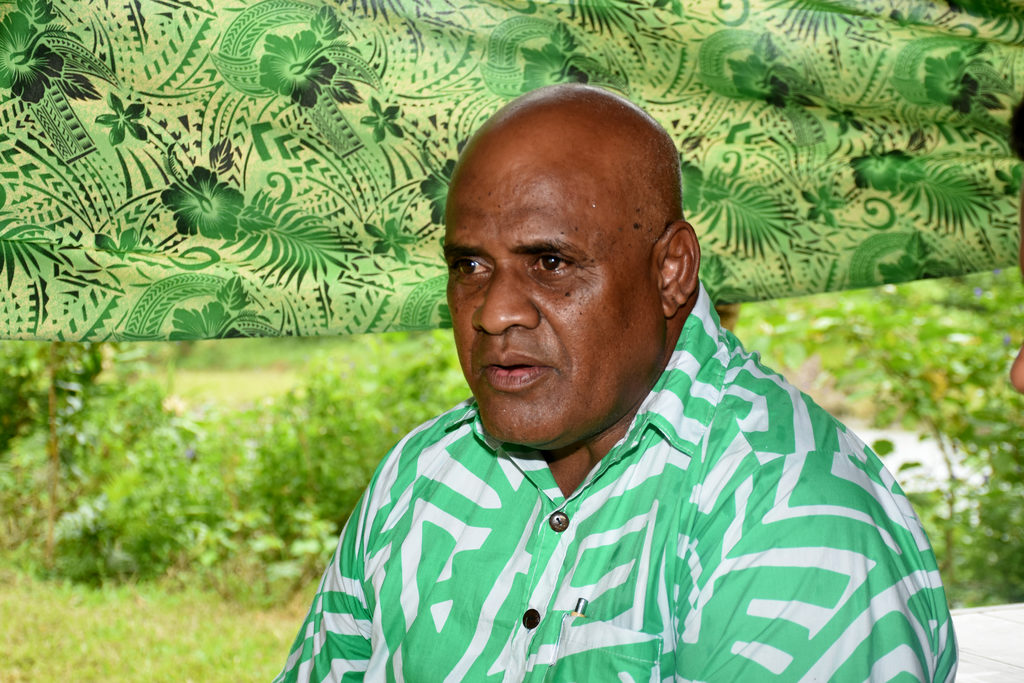
Mataqali Namara Trust vice chairman, Paulo Rauto. Picture: KATA KOLI
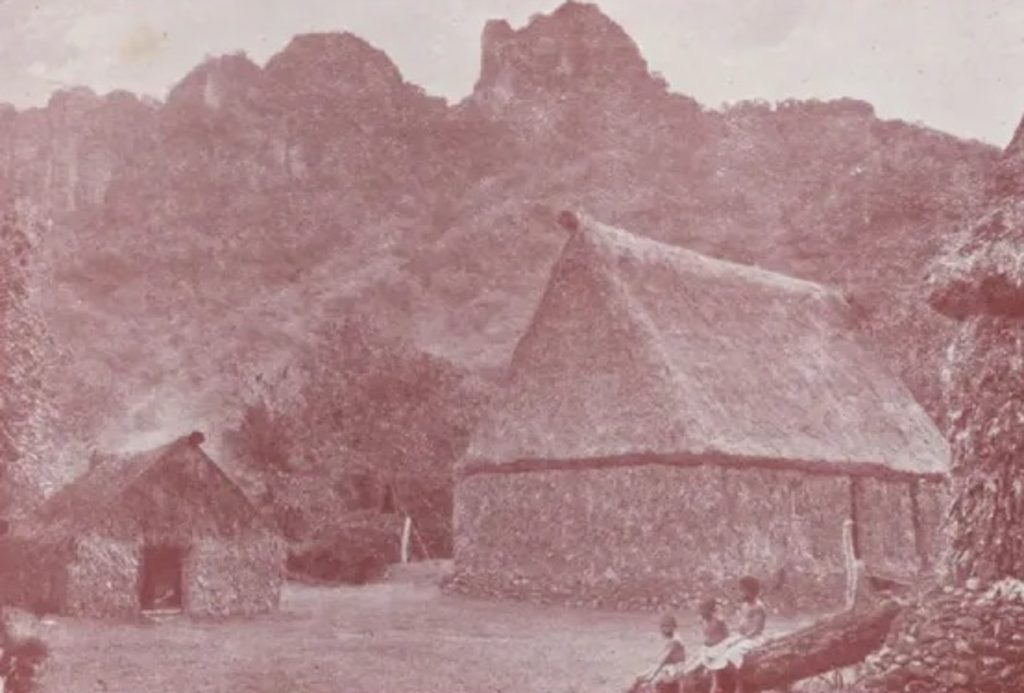
A chief home believed to be in Namosi. Picture: WWW.MEDIASTOREHOUSE.COM
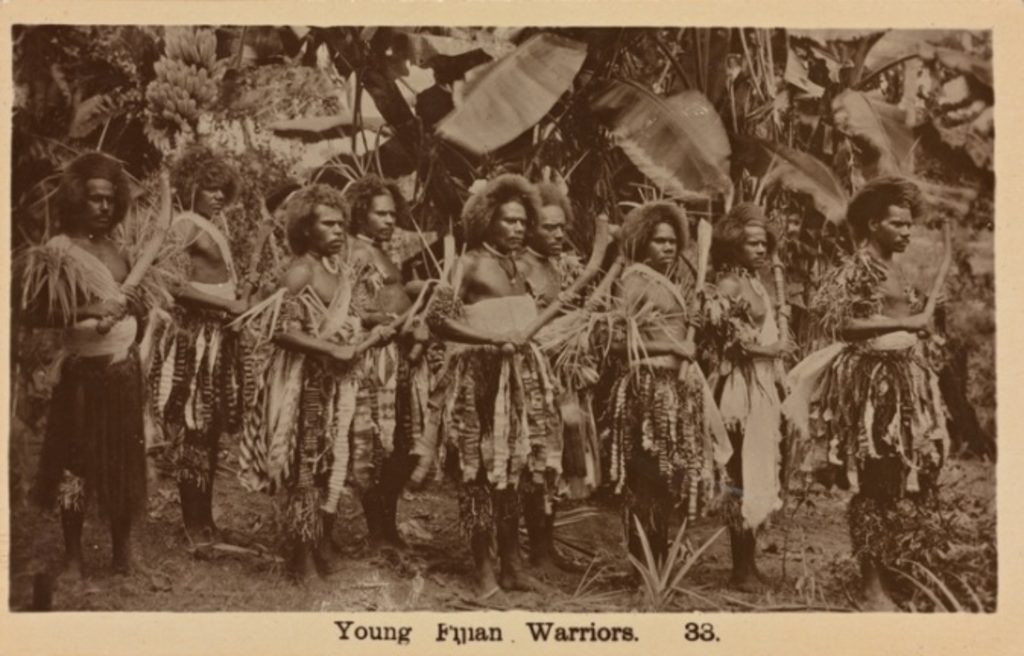
Warriors in traditional
attire often went to battle for their chief and vanua. Picture: SUPPLIED
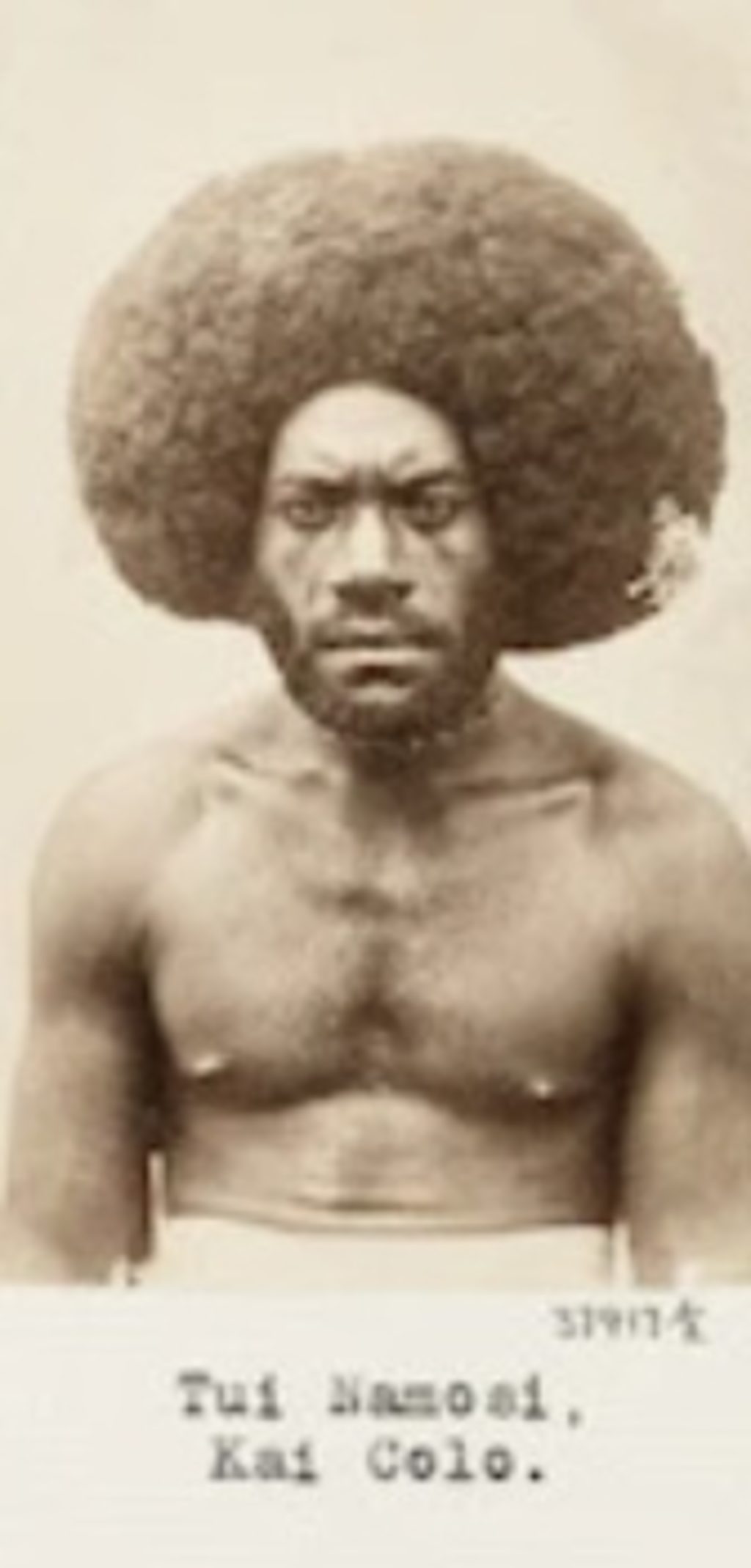
The Mataqali Namara were considered fearless warriors of the Turaga na Vunivalu, na Tui Namosi. Picture: THE NATIONAL LIBRARY OF NEW ZEALAND.

