
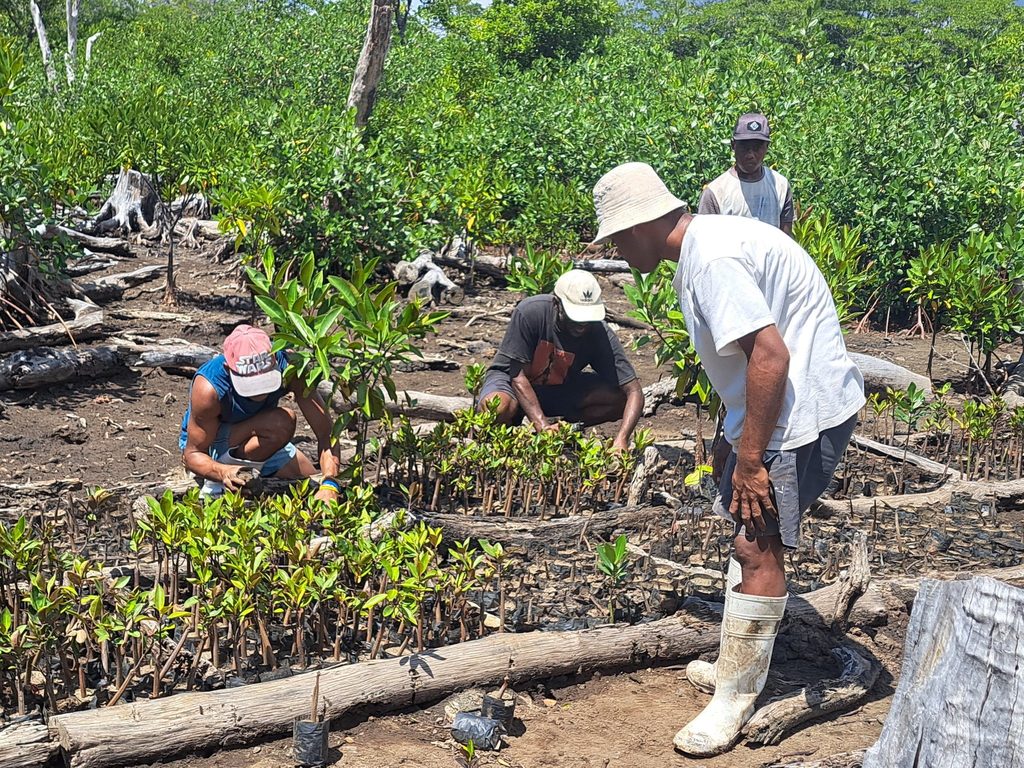
Mangroves do more than hold our shorelines together — they are also powerful natural carbon stores.
Beneath the muddy surface of a mangrove swamp, life thrives. Even while we stand ankle-deep in seawater, these remarkable plants quietly protect our coasts and support the rich biodiversity that sustains communities every day.
But despite their strength and ability to survive in salty waters, mangroves remain vulnerable to natural disasters. Cyclone Winston — the Category 5 cyclone that struck Fiji in 2016 — made this painfully clear. Countless mangroves were destroyed, leaving once-vibrant swamps bleak and lifeless. With them went the habitats of marine species, dealing a heavy blow to Fiji’s ecosystem.
For many villages that rely on their tributaries, the impact was immediate: no mangroves meant no food security. This realization brought communities together with Conservation International (CI) to restore and protect the mangrove forests of Navitilevu Bay in Ra.
Under the Blue Carbon Fiji Project, CI works closely with communities along Navitilevu Bay — including Nanukuloa, Naiserelagi, Barotu, Matawailevu and Navuniivi. Their efforts follow a “ridge-to-reef” approach, ensuring nature is protected from the highlands all the way to the sea.
Barotu Village in Saivou, Ra, became one of the leading communities in restoring its mangrove forest, working hand-in-hand with CI to bring life back to their shores.
Losing their main source of livelihood
A village once sustained by the riches of their coastline, Barotu felt the full brunt of Winston when it wiped out a substantial amount of mangrove from its tributaries.
The loss of mangroves in Barotu led to the loss of essential food source and income for villagers.
Barotu Village headman, Mecuisela Tuilewa said before villagers didn’t consider the mangroves as an important resource.
“We only saw it as a good source of firewood at home. We didn’t know how vital it was until Winston cleared most of it.
“After Winston we lived off the little crabs that couldn’t find shelter in the mangroves.
“Since the mangroves were cleared by cyclone winds it was easy to catch crabs to feed our families but after a month or two there were no more crabs to eat so we lost the last food source we had.”
Restoring mangrove forestAlthough TC Winston wiped out Barotu’s food and income sources, leaving the community devastated, the villagers never lost hope. They knew they could not stand still — they had to act.
“We truly felt the impact of losing our mangroves, but thanks to Conservation International’s Blue Carbon Project, we have restored what we lost in 2016,” Mr Tuilewa said.
For three years, the people of Barotu, together with neighbouring villages, united with a shared purpose: to replant and revive their mangrove forest. They worked tirelessly — rain or shine — nurturing seedlings, tending to the nursery, and restoring what had once been taken from them.
Today, their perseverance is bearing fruit. “We are slowly seeing marine life return, and our mangrove plants are thriving,” he said. “What was once lifeless and barren is now flourishing with renewed energy and life.”
Since learning from CI, the villagers have embraced a new understanding of the crucial role mangroves play. No longer cutting them down, they now protect these vital ecosystems with pride and commitment.
“After CI stepped in to educate us, we realised how important the mangroves are for our community — especially for our food source and income,” Mr Tuilewa said.Villagers work hardMore than 20 villagers have been working with CI to restore the mangrove forest.
According to Tuilewa, the women of the village have shown particular dedication to the project. He noted that although the villagers receive payment from CI, most participate out of a genuine desire to restore their source of livelihood.
“It’s the women who gather crabs to feed their families and to sell,” he said. “For them, this was an important task that helps secure their future.”
When the community goes out to plant, the work is divided among the villagers, allowing them to complete the task more efficiently. Village youths and women remain the most active contributors to the project.
Financial SupportThrough the Blue Carbon Project, villagers have gained huge financial empowerment. This support helps families send their children to school each day, put food on the table, and meet important community obligations, including contributions to the vanua and the church.
The project has also sparked new opportunities, enabling the community to establish the Barotu Nursery and Investment Company — a milestone that marks their growing confidence and self-reliance.
Their hard work soon paid off. The village received its first payout of $140,000 for supplying tree seedlings through the Ministry of Finance’s Jobs for Nature Project.
For their first major order, the company successfully delivered 82,700 seedlings to communities across the western division — from Ra to Nadarivatu, Yasawa, and Nadroga — in the final quarter of 2024.
Guided by CI, the villagers have not only learned to protect their mangroves but have also strengthened coastal resilience and advanced environmental sustainability. Through the Blue Carbon Fiji Project, they are building a stronger, greener future for generations to come.
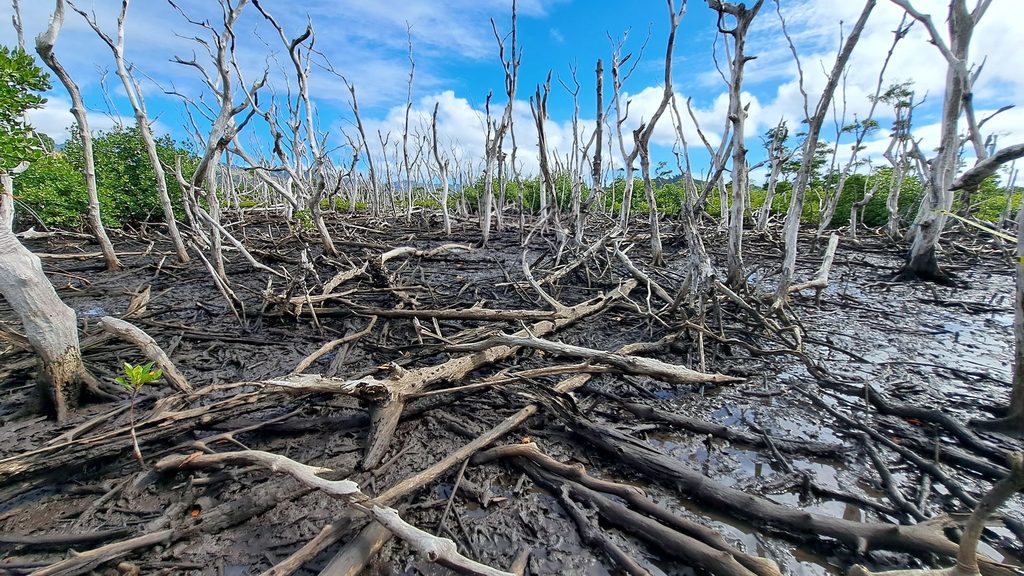
The barren and lifeless mangrove forest that was destroyed by Cyclone Winston. Picture: CONSERVATION INTERNATIONAL FIJI
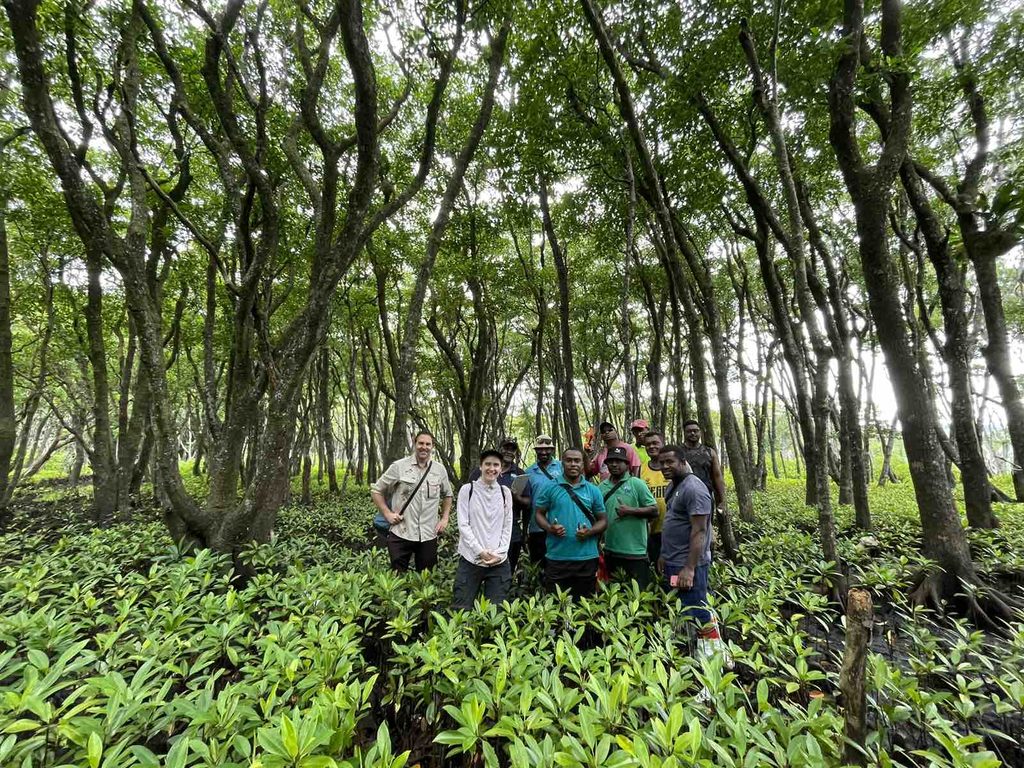
Stakeholders with the newly planted mangroves in Barotu, Ra. Picture: CONSERVATION INTERNATIONAL
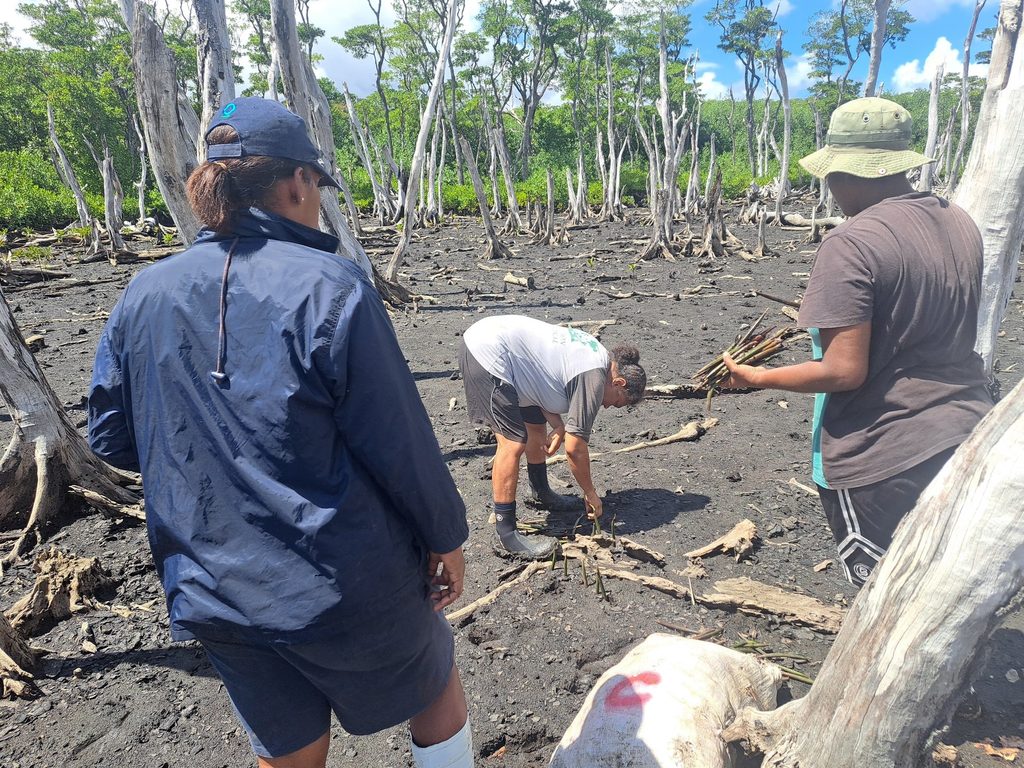
Women from Barotu Village and nearby village with the Conservation International team work tirelessly to restore the mangrove forest at Barotu. Picture: CONSERVATION INTERNATIONAL
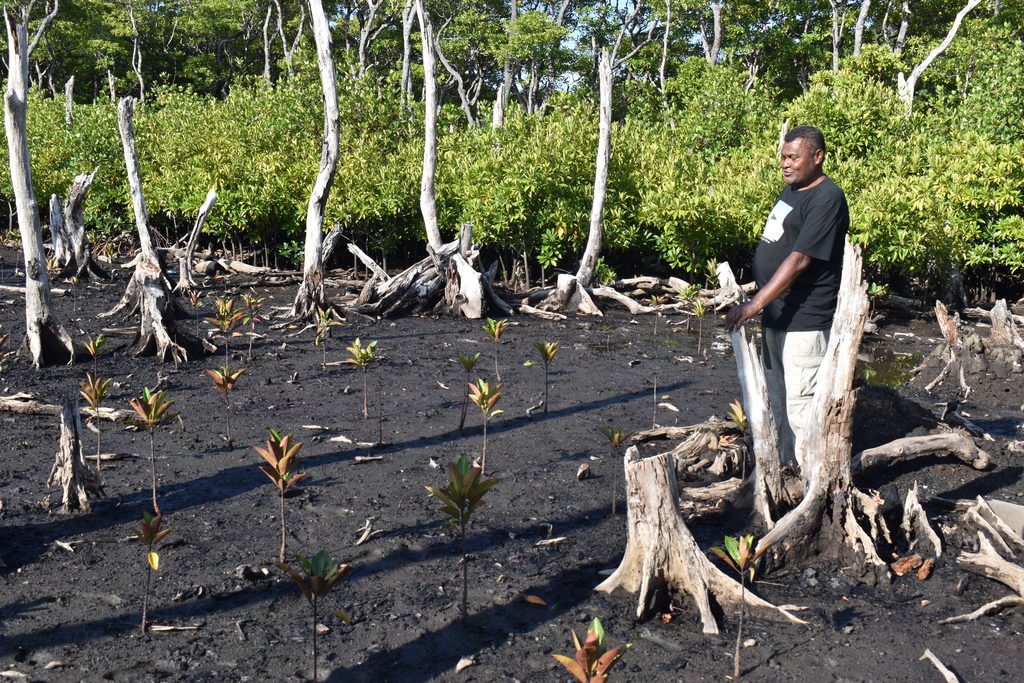
Barotu village headman, Mecuisela Tuilewa points at the mangroves the villagers planted. Picture: ALIFERETI SAKIASI
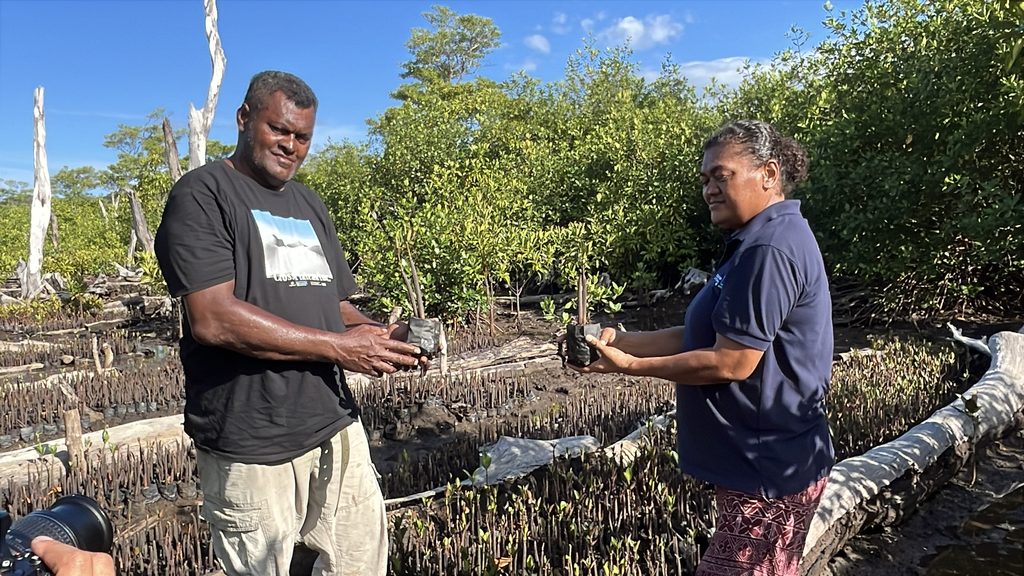
Barotu village headman, Mecuisela Tuilewa and Sera Janine from Conservation International Fiji at the Barotu mangrove nursery in Ra. Picture: ANA MADIGIBULI
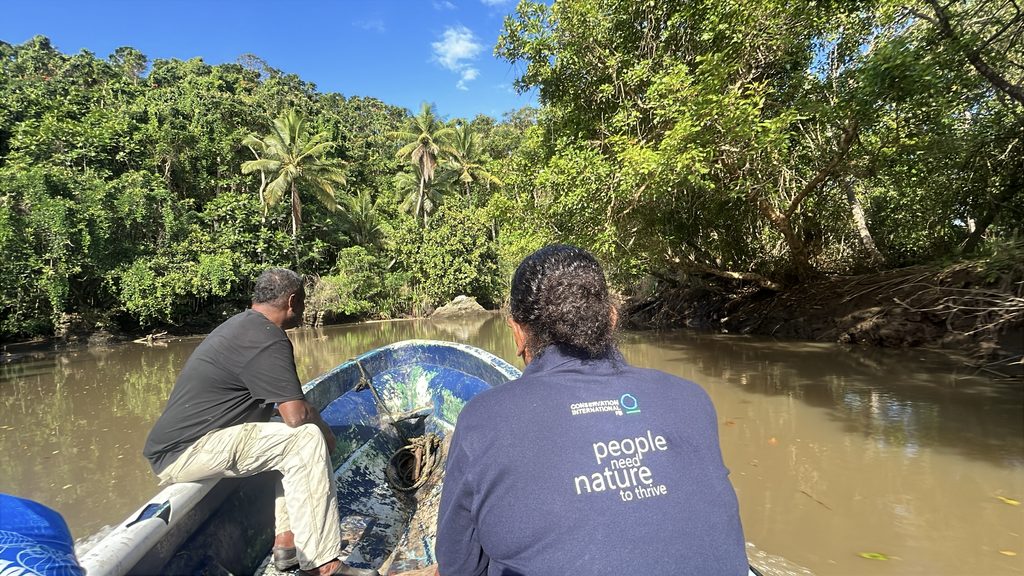
Going through the Barotu tributaries. Picture: ANA MADIGIBULI

