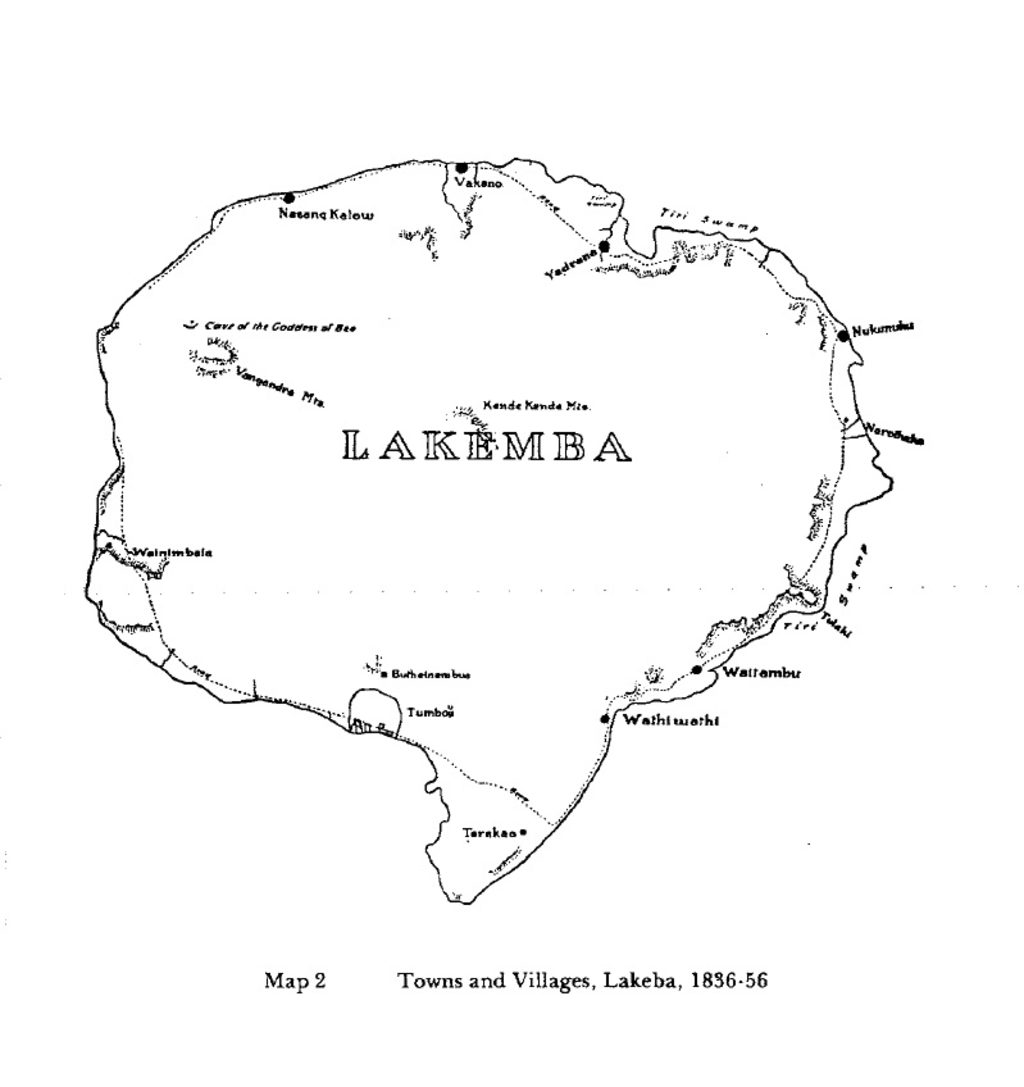
LONG before their historic landing at Lakeba, David Cargill’s diary reveals a young missionary preparing for an unknown future.
While in Australia in 1833, Cargill met William Cross, the man who would become his colleague in Fiji.
Cross had already spent four years serving in Tonga and had survived a terrifying shipwreck in which his wife was washed from a canoe during a storm.
Despite Cross’s experience, Cargill realised that preparing for Fiji would not be easy.
“It is not likely that we shall meet with anyone in this place qualified to teach us the Tonga language,” he wrote on March 27, 1833.
Instead, the missionaries relied on a handful of translated texts.
“Mr Orton has furnished us with a few translations: they will perhaps assist me in making myself master of a small vocabulary, till I shall have better facilities for acquiring the language,” Cargill wrote.
The diary captures the uncertainty that marked the beginning of the mission. Before they could preach, they first had to learn the language and culture of the Pacific.
A year later, another diary entry suggested that Fiji itself was drawing nearer.
On March 20, 1834, Cargill recorded the arrival at Vava’u of the brother of a Fijian chief, who expressed a desire for missionaries to establish a permanent mission among his people.
The news came with disturbing reports of violence and cannibalism.
“We were told that some time ago, they had a feast, when 200 men and 100 women were cooked and eaten.”
Rather than discouraging the missionaries, the reports strengthened Cargill’s resolve.
“But the Gospel can humanise and convert them,” he wrote.
His diary closed with a prayer that reflected the missionaries’ sense of purpose.
“May Providence soon open an effectual door for the instruction of these heathens.”
Within months, that door would open when Cross and Cargill sailed for Lakeba.
A century of change
By 1933, preparations were underway for an event of national significance.
The Methodist Missionary Society established a Centenary Fund in Suva to mark one hundred years of Christianity in Fiji.
The anniversary would be celebrated on October 12, 1935, exactly one century after the arrival of the Reverends David Cargill and William Cross at Lakeba.
The Pacific Islands Monthly reported that the Methodist Church in Fiji had grown to more than 83,000 adherents.
The centenary committee launched a “ten thousand guinea fund” to construct a new Centenary Building in Suva.
The proposed structure would replace the Jubilee Church, built in 1885 to commemorate the first fifty years of Methodist mission work.
Fundraising reached throughout the colony.
The Reverend T. N. Deller travelled extensively delivering illustrated lectures on Fiji’s missionary history.
Methodist children were issued collection cards and encouraged to raise ten shillings each.
Those who succeeded would receive commemorative brooches marking the centenary.
The celebrations would also create a symbolic connection between past and present.
The magazine noted with interest that grandsons of both Cross and Cargill were expected to attend the 1935 commemorations.
Cross’s grandson had become a Methodist minister in New South Wales, while Cargill’s grandson was serving as a missionary in India.
A century after their grandfathers’ arrival, the missionary legacy continued.
Returning to Lakeba
When October 12, 1935, arrived attention turned once again to Lakeba.
The Pacific Islands Monthly described how Methodist missionaries, church leaders and visitors gathered on “the very same spot” where Cross and Cargill had landed a century earlier.
The ceremonies included the opening and dedication of a memorial church.
Among the distinguished guests was Dame Salote, Queen of Tonga, a direct descendant of the Tongan ruler who had supported the original mission to Fiji.
The Lakeba gathering formed part of a wider program of celebrations stretching across the country.
A specially organised party of 435 people travelled from Sydney aboard the liner Katoomba.
Their itinerary carried them through places central to Fiji’s Christian history, including Lautoka, Suva, Lakeba, Somosomo, Levuka, Davuilevu and Bau.
The program culminated in a thanksgiving service at Albert Park in Suva on October 20.
Looking back across 100 years
The centenary celebrations were not merely about remembering two missionaries.
They were also an opportunity to reflect on the transformations that had taken place during the intervening century.
One of the milestones celebrated during the anniversary had first been recorded in Cargill’s diary almost 100 years earlier.
Writing on March 20, 1836, only months after arriving in Fiji, he described what he believed was the beginning of a new chapter.
“This forenoon my colleague and I baptised 32 adults, the first fruits of the Gospel in Fiji.”
For Cargill, the baptisms represented more than a ceremony.
“May these be succeeded by a plentiful harvest!” he wrote.
He noted that some had first embraced Christianity while living in Tonga, while others had abandoned idolatry since their arrival in Fiji.
By the time of the centenary in 1935, that harvest had grown beyond anything the missionaries could have imagined.
In October 1935, the Pacific Islands Monthly described the anniversary as evidence of “one of the world’s outstanding examples of the benefits of Christianity.”
The magazine contrasted conditions in Fiji in 1835 with those of 1935 and credited missionary efforts with helping to reshape society.
It also acknowledged the sacrifices made by generations of missionaries who followed Cross and Cargill into the islands.
“Many of them going among the early savages made the ultimate sacrifice,” the article highlighted.
The article noted that some missionaries lost their lives while pursuing their work, but that the mission continued despite hardship and danger.
For the Methodist Church, the centenary represented the culmination of a century of persistence that began with a single landing on a distant beach.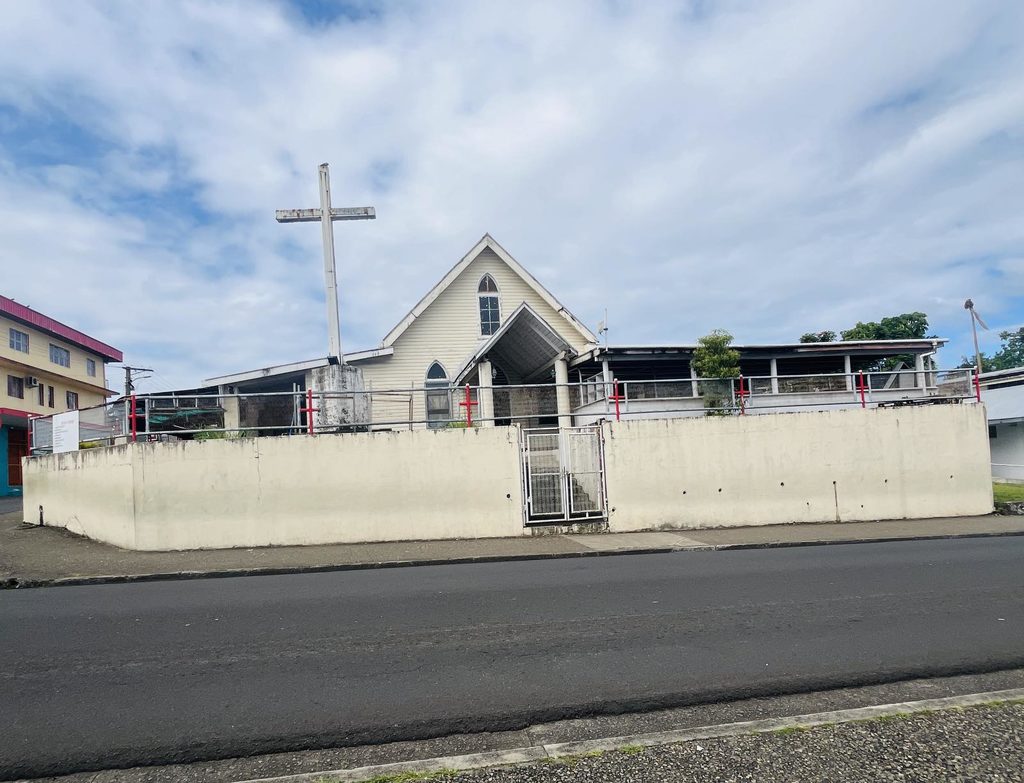
The Centenary church would replace the Jubilee Church, built in 1885 to commemorate the first fifty years of Methodist mission work. Picture: ANA MADIGIBULI
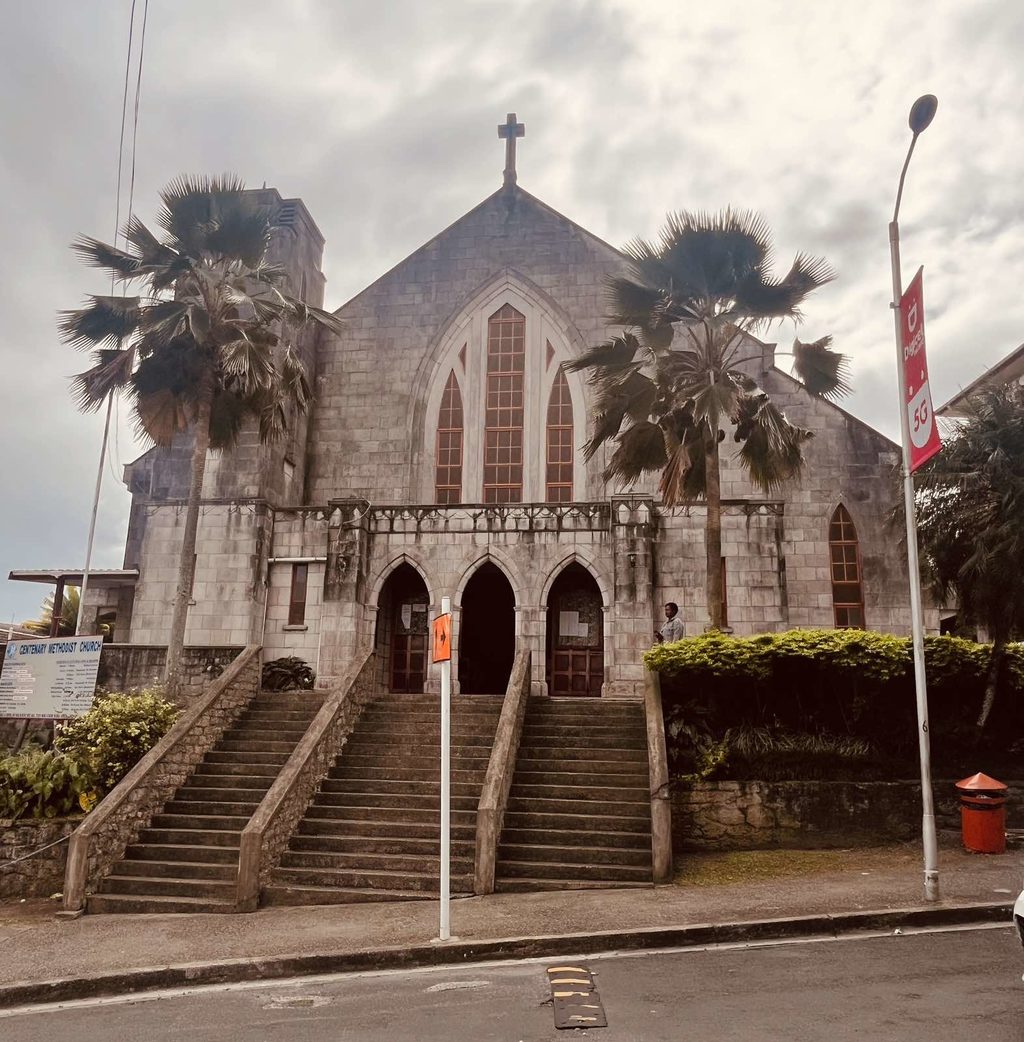
The centenary committee launched a “ten thousand guinea fund” to construct a new Centenary Building in Suva. Picture: ANA MADIGIBULI
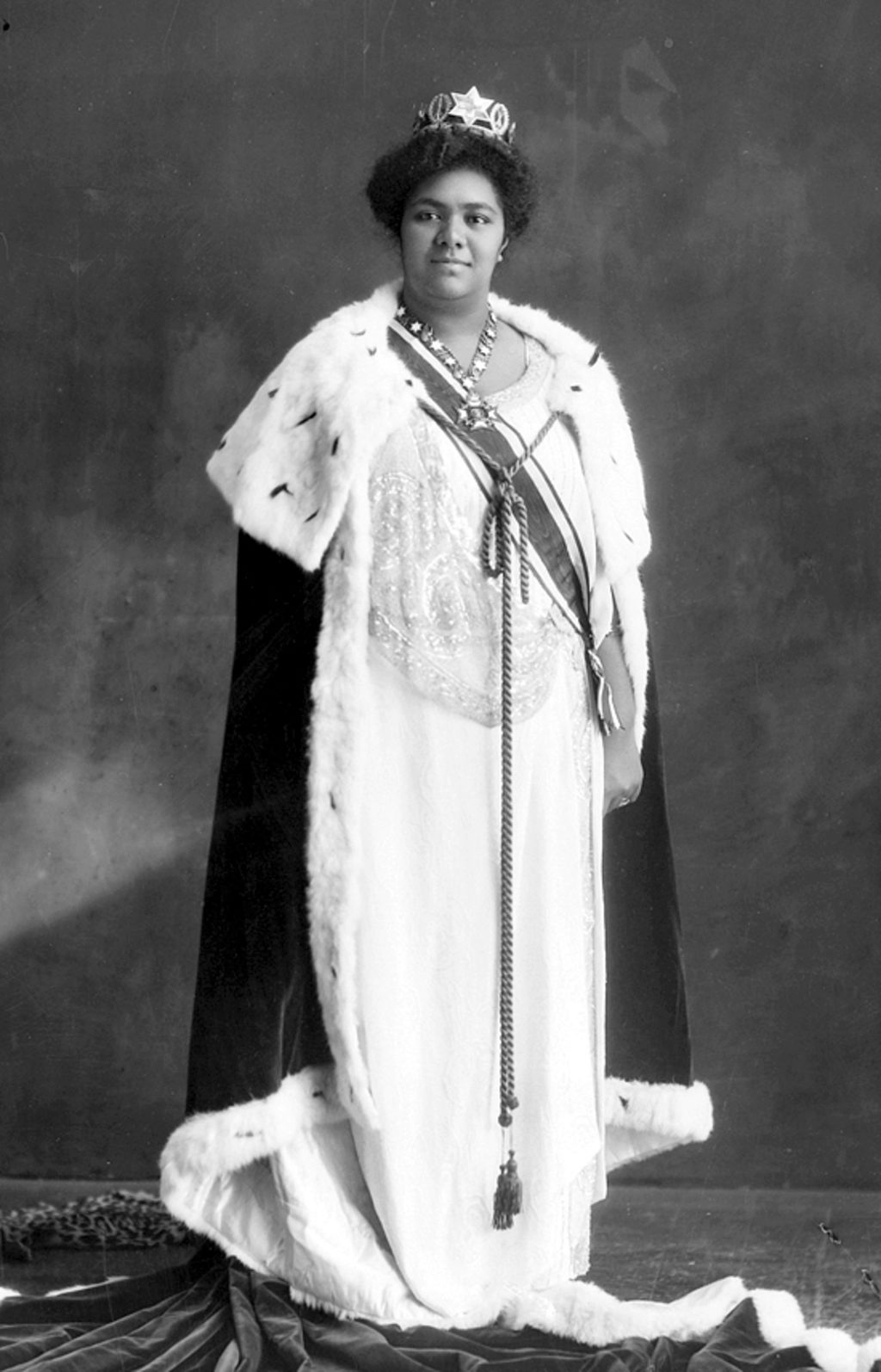
On October 12, 1935, Dame Salote, Queen of Tonga was amongst the distinguished guests at the centenary celebration in Fiji. Picture: WIKIPEDIA
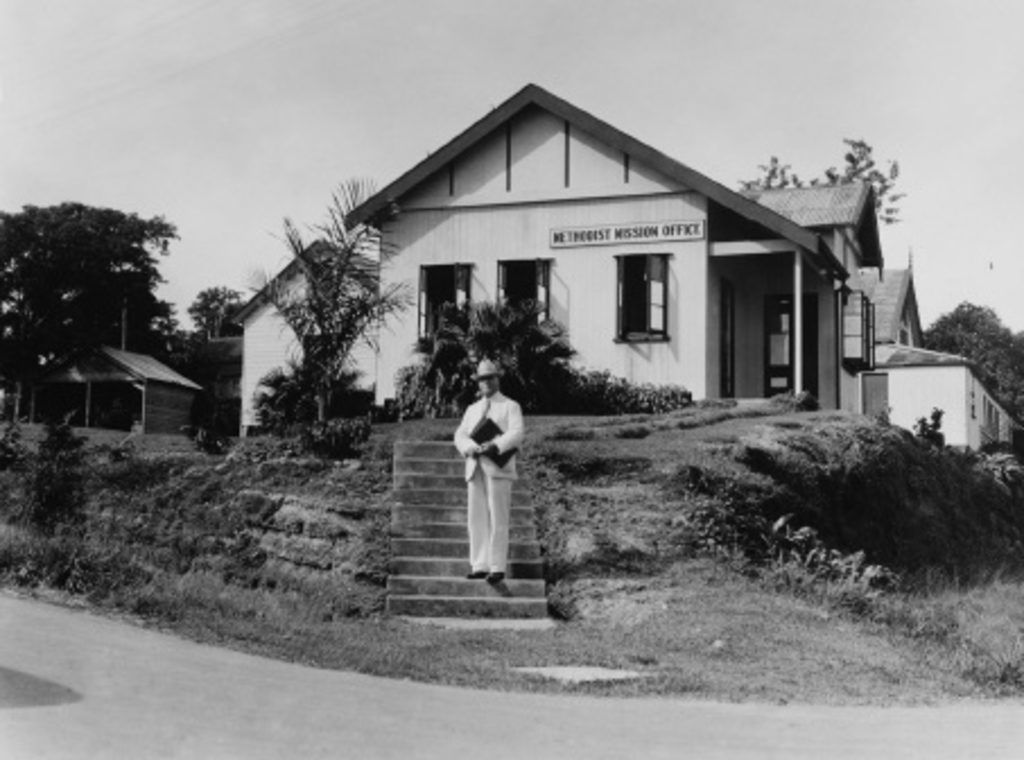
The Methodist mission office in Suva.
Picture: THE MISSION DIVIDED
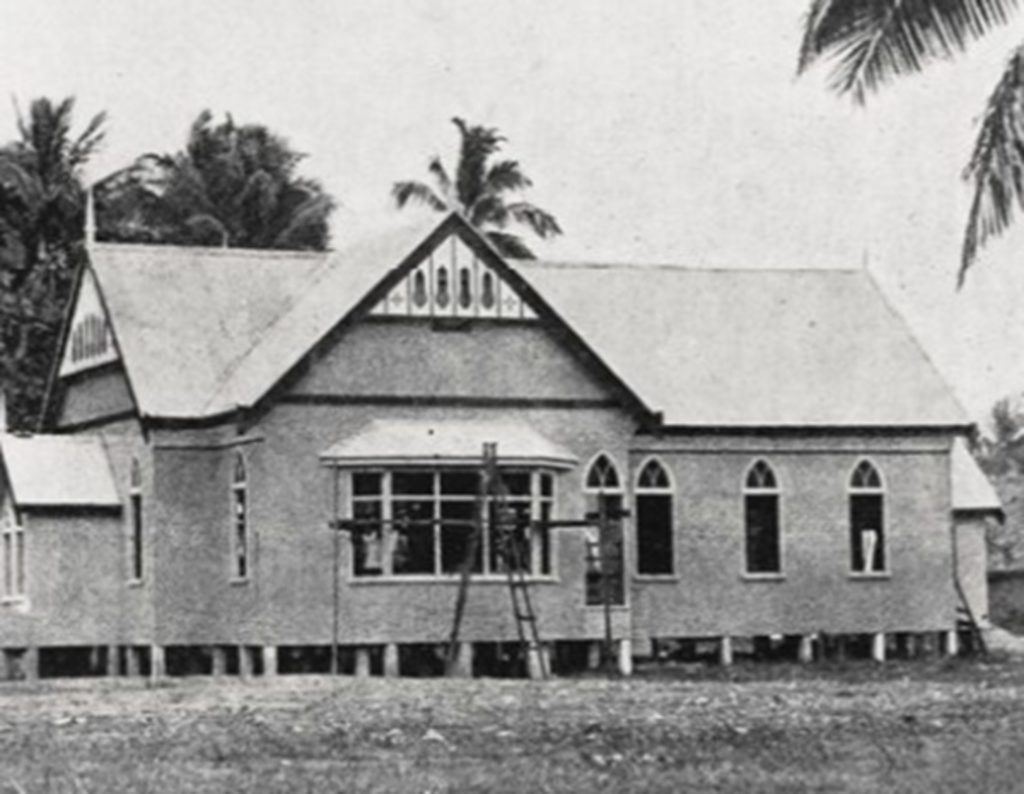
A church being constructed in Lautoka to mark the centenary celebration. Picture: W.H RAINE/ AUCKLAND COUNCIL LIBRARIES
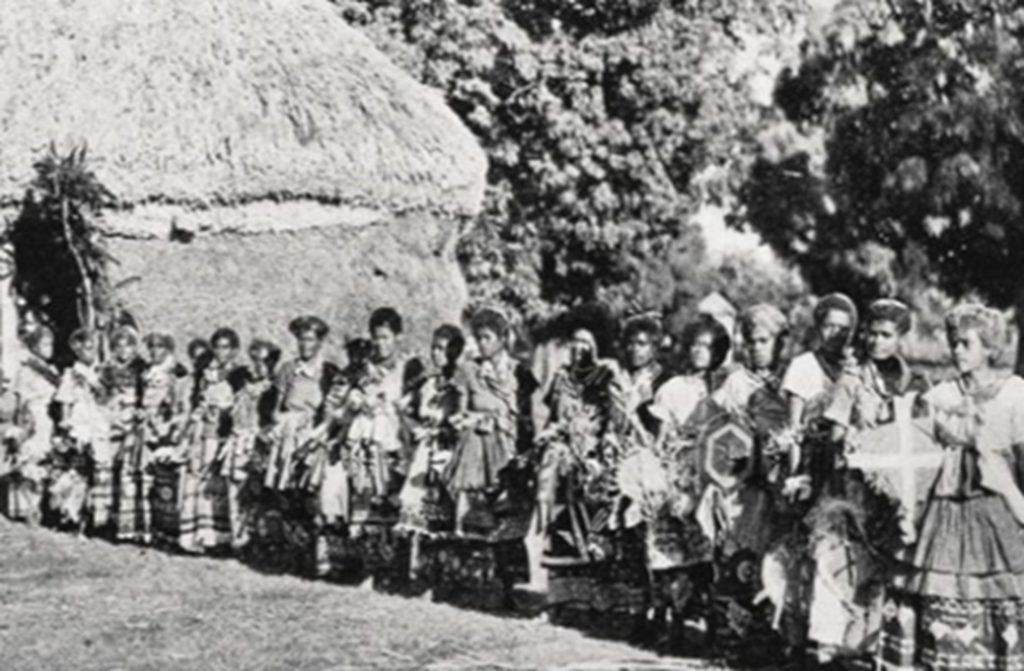
Fijian girls in their native costumes at Nailaga, Ba during the centenary celebration. Picture: W.H RAINE/ AUCKLAND COUNCIL LIBRARIES
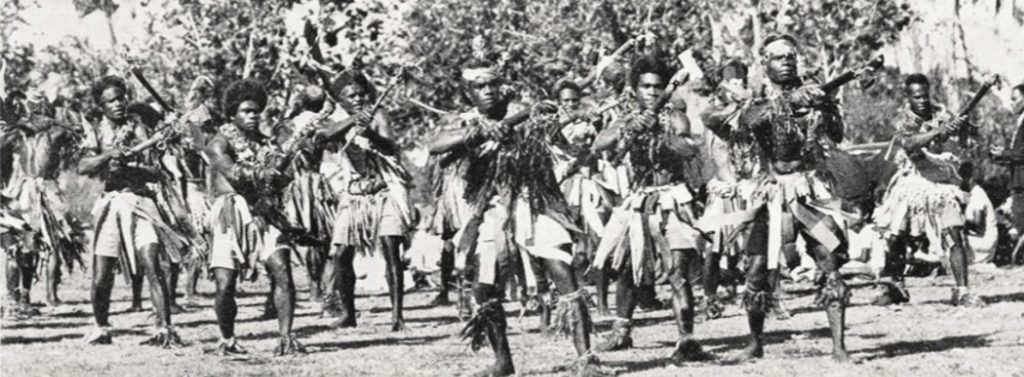
Fijian warriors performing one of their spectacular dances at Nailaga, Ba during the centenary celebration in 1935. Picture: W.H RAINE/ AUCKLAND COUNCIL LIBRARIES
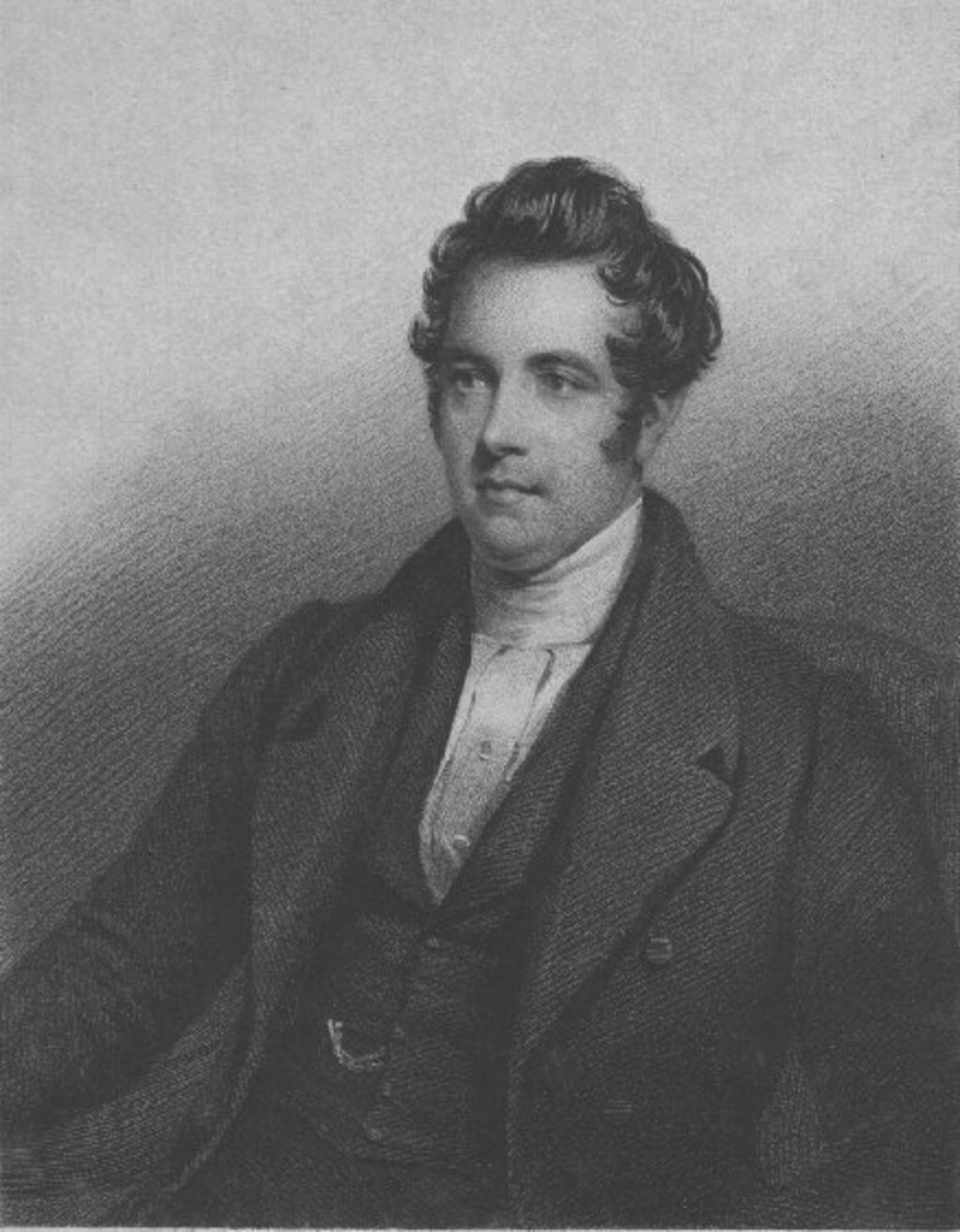
Reverend David Cargill. Picture: FT File