
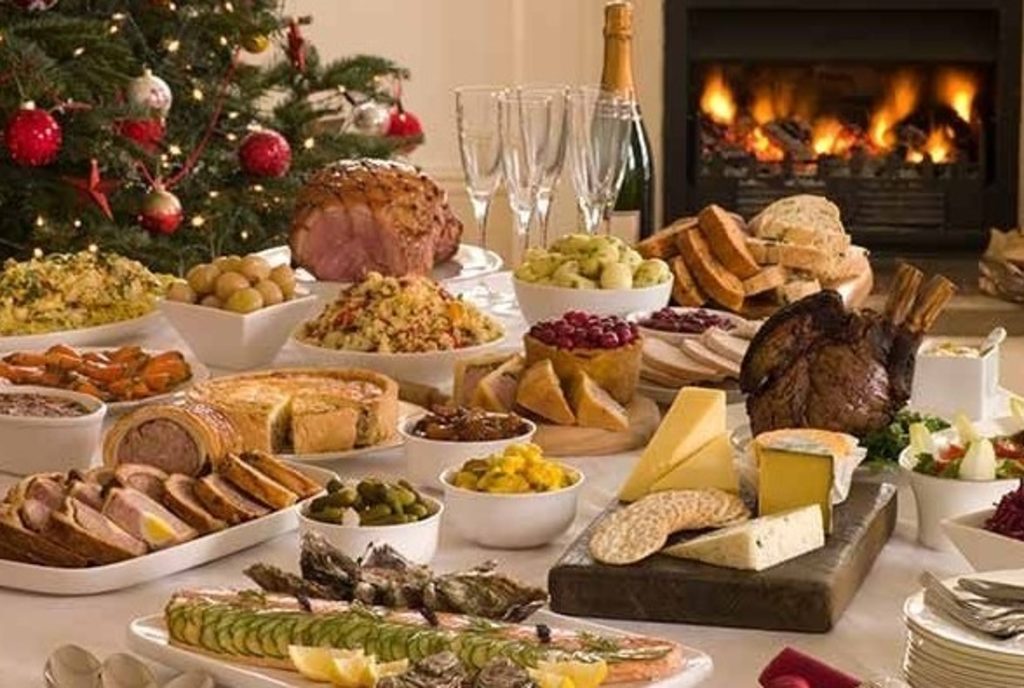
POTLUCKS did not always take the form of organised group meals as they do today.
Historically, the word “potluck” carried two meanings.
According to recipes.howstuffworks.com, the earliest meaning referred to a traveler or unexpected guest arriving at mealtime and sharing whatever food happened to be in the pot, emphasising chance and hospitality rather than choice.
The second meaning, which is more familiar today, describes a communal meal where each participant brings a dish, and everyone shares in the variety of food provided.
Potlucks emerged largely for practical reasons, especially in close-knit communities.
During events such as funerals, barn raisings, or church gatherings, it made sense for individuals to contribute food rather than rely on one host.
This shared responsibility eased the burden on any single family and ensured there was enough food for everyone.
This practice resulted in generous, diverse buffets featuring many dishes, reflecting both necessity and cooperation.
What began as a simple solution to feeding groups evolved into a social tradition that encourages participation, sharing, and community support.
Potluck is ideal for gatherings such as celebrating Christmas with families and friends, and other get together.
1: Little muss, little fuss
After a traditional dinner party, dealing with leftovers and cleanup can be frustrating, with limited storage space, extra dishes, and lots of washing.
Potlucks simplify this problem because guests take responsibility for the food they bring. If their dish is finished, there are no leftovers to manage.
If food remains, guests take it home and handle storage or disposal themselves.
Disposable containers can be thrown away, while reusable dishes are washed at home.
As with the shared cooking and cost, cleanup is also shared, making potlucks easier and more convenient for everyone involved.
2: Save money
Potlucks don’t just spread the work of food preparation among all the guests. They also spread the cost of the food.
When planning a dinner party, especially for a crowd, the cost can be daunting. A potluck provides a fine feast for a crowd without making anyone spend a lot of money.
3: Chill out
Too often, the person throwing a party enjoys it least.
That’s especially true of a dinner party when you’re rushing around at the last minute, trying to get all the food ready at once, and then worrying about whether everyone’s getting enough. Making the party a potluck can give you the opportunity to enjoy your guests and the food that’s offered.
4: Happy holidays!
Potlucks reduce holiday stress by sharing cooking duties, letting hosts enjoy celebrations while guests contribute dishes to complete the meal.
5: Come on over
A potluck is an easy way to serve a crowd when you need to feed a group for one reason or another. But don’t wait until you have to throw a dinner party to try your luck.
A potluck can be a perfect excuse to have family or friends over for that party you’ve always meant to throw whenever the time was right.
With the simplicity of a potluck, you don’t have to wait for the stars to align.
Just invite everybody to bring a dish, provide the basic necessities and enjoy seeing what happens.
You’ll be able to sample everyone’s cooking and play host without knocking yourself out.
Potlucks don’t just spread the work of food preparation among all the guests. Picture: BOOKY
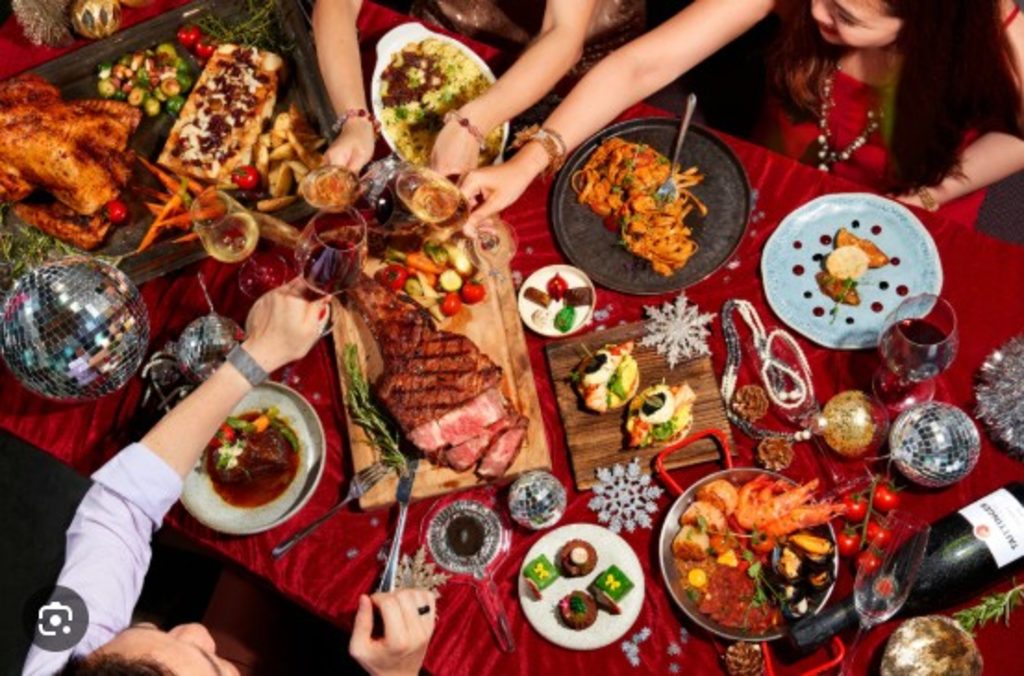
A potluck is an easy way to serve a crowd when you need to feed a group for one reason or another. Picture: THESINGAPOREWOMENSWEEKLY

