
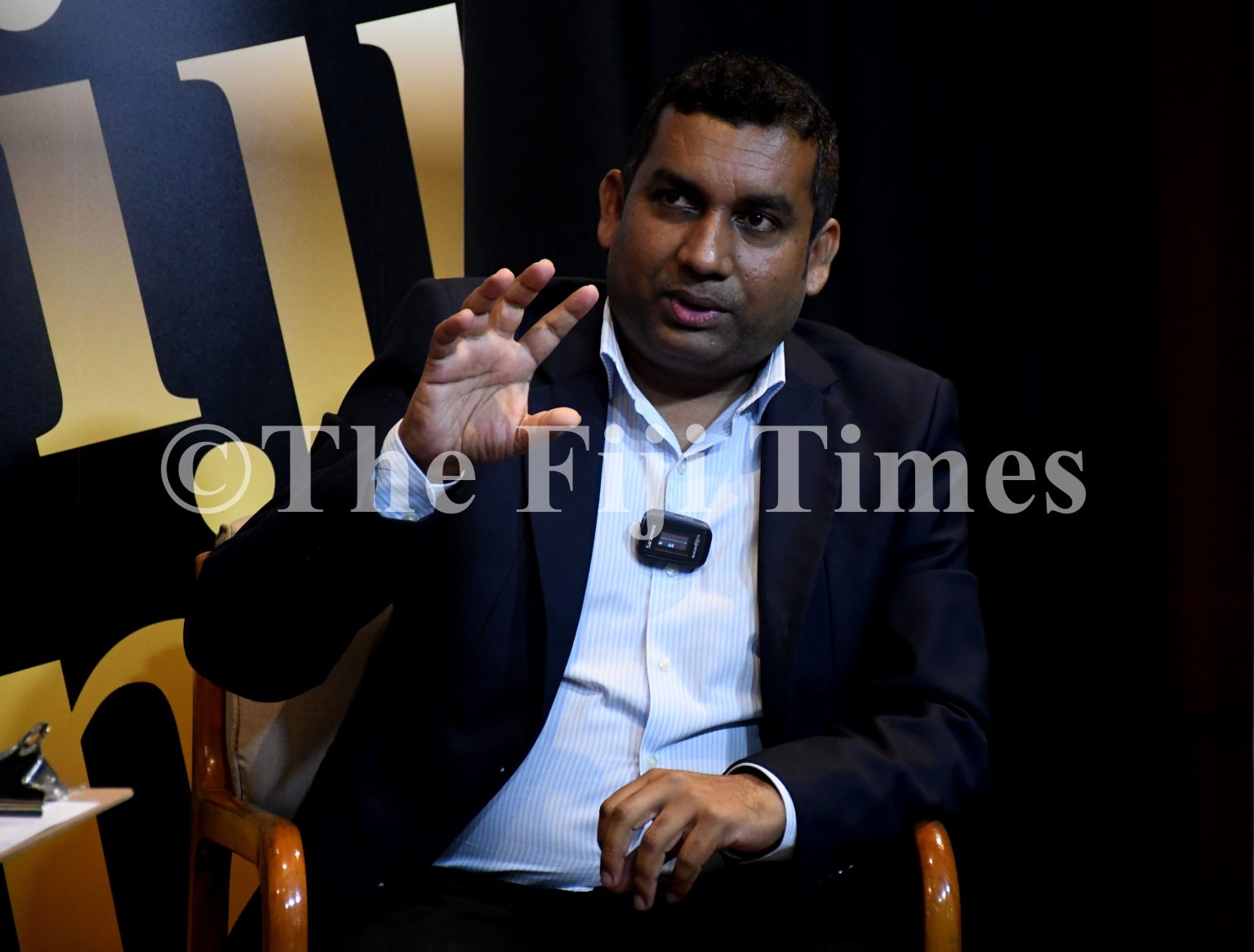
Dialogue Fiji executive director Nilesh Lal has launched a scathing critique of the Referendum Bill 2025, warning that it represents an unprecedented attack on free expression and democratic participation.
Lal said the Bill — which outlines strict prohibitions on public discussion, campaigning and civic engagement before, during and after any referendum — would “effectively criminalise almost all forms of public debate on a referendum issue.”
“The referendum bill is one of the most draconian and undemocratic pieces of legislation Fiji has seen in history,” Lal said in a social media post.
“Under this law, civic education, public awareness campaigns, academic commentary, CSO engagement, or even one citizen trying to persuade another would become offences.”
He said the restrictions went far beyond anything enacted under previous administrations.
“This is about as undemocratic as it gets. It goes far beyond anything ever imposed by FijiFirst. In fact, it is significantly worse than the restrictions we saw under the previous government because it totally shuts down public participation at the very moment when open debate is most essential.”
Lal highlighted a clause in the Bill that bans any expression “in connection with any referendum” “at any time either before, during, or after” the vote — a provision he described as a “blanket permanent criminalisation of expression.”
“Instead of creating a free and fair environment for a national vote, the Bill constructs a referendum process that is state-controlled, speech-restricted, and structurally biased,” he said.
Lal argued that no referendum can claim legitimacy if people are unable to hear opposing views, debate issues, or receive civic education.
“A referendum can only have legitimacy if citizens are able to hear arguments, discuss issues, receive civic education, and freely express their views. This Bill prohibits all of that.”
He warned that if the Bill proceeds in its current form, it will mark a profound regression in Fiji’s democratic development.
“If this is the model of public participation being proposed, then it represents a serious step backwards for Fiji’s democracy.”

