
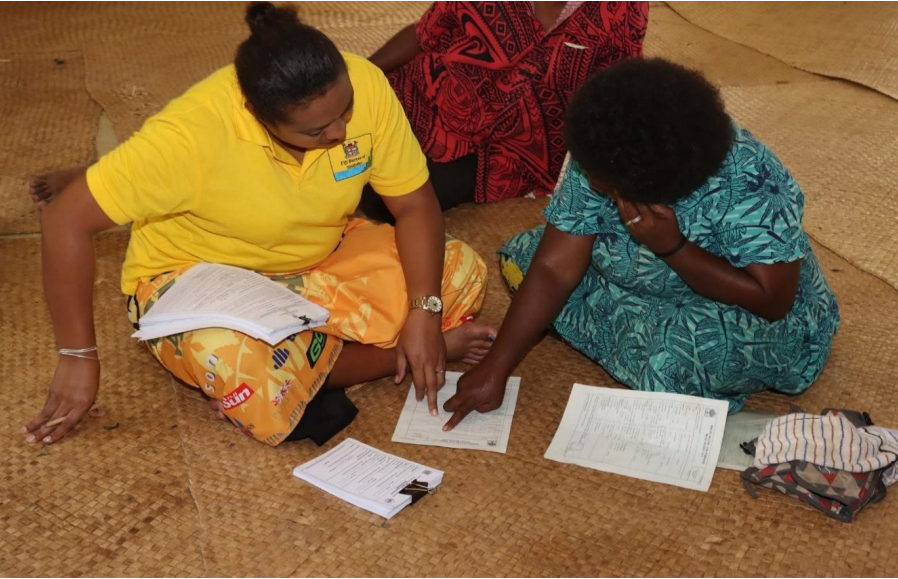
Thousands of children across Fiji were registered well beyond the legal timeframe, with national data revealing persistent delays linked to geography, access, and social barriers.
A report released by the Fiji Bureau of Statistics analysed 158,153 birth registrations for children born between 2015 and 2024 and found that only 71.5 per cent were registered within the required 12 months.
The average time taken to register a birth was 427 days, exceeding the legal benchmark by more than two months.
The analysis identified wide disparities between registry offices.
While larger centres such as Lautoka and Ba recorded higher rates of on-time registration, some offices experienced severe delays.
Keiyasi Registry recorded the longest average delay at 901 days, followed by Lakeba (819 days) and Vunisea (804 days). In Taveuni and Tailevu, average registration delays exceeded 680 days.
The report found that iTaukei children were disproportionately affected, accounting for 85.6 per cent of delayed registrations in the 10 worst-performing registry offices.
In several areas, iTaukei children waited significantly longer to be registered compared to non-iTaukei children.
The findings followed a nationwide effort to clean and standardise birth registration records, which previously relied heavily on free-text data entry.
More than 99 per cent of records were successfully standardised, allowing geographic disparities to be identified for the first time.
The Fiji Bureau of Statistics said delayed registration risks children being excluded from essential services, including education, healthcare, and social protection, particularly in rural and maritime communities.

